Prøve GULL - Gratis
What samples from space have taught us
BBC Sky at Night Magazine
|January 2026
Alastair Gunn explains what scientists have learnt in the 20 years since the first unmanned mission brought materials back from alien worlds
-
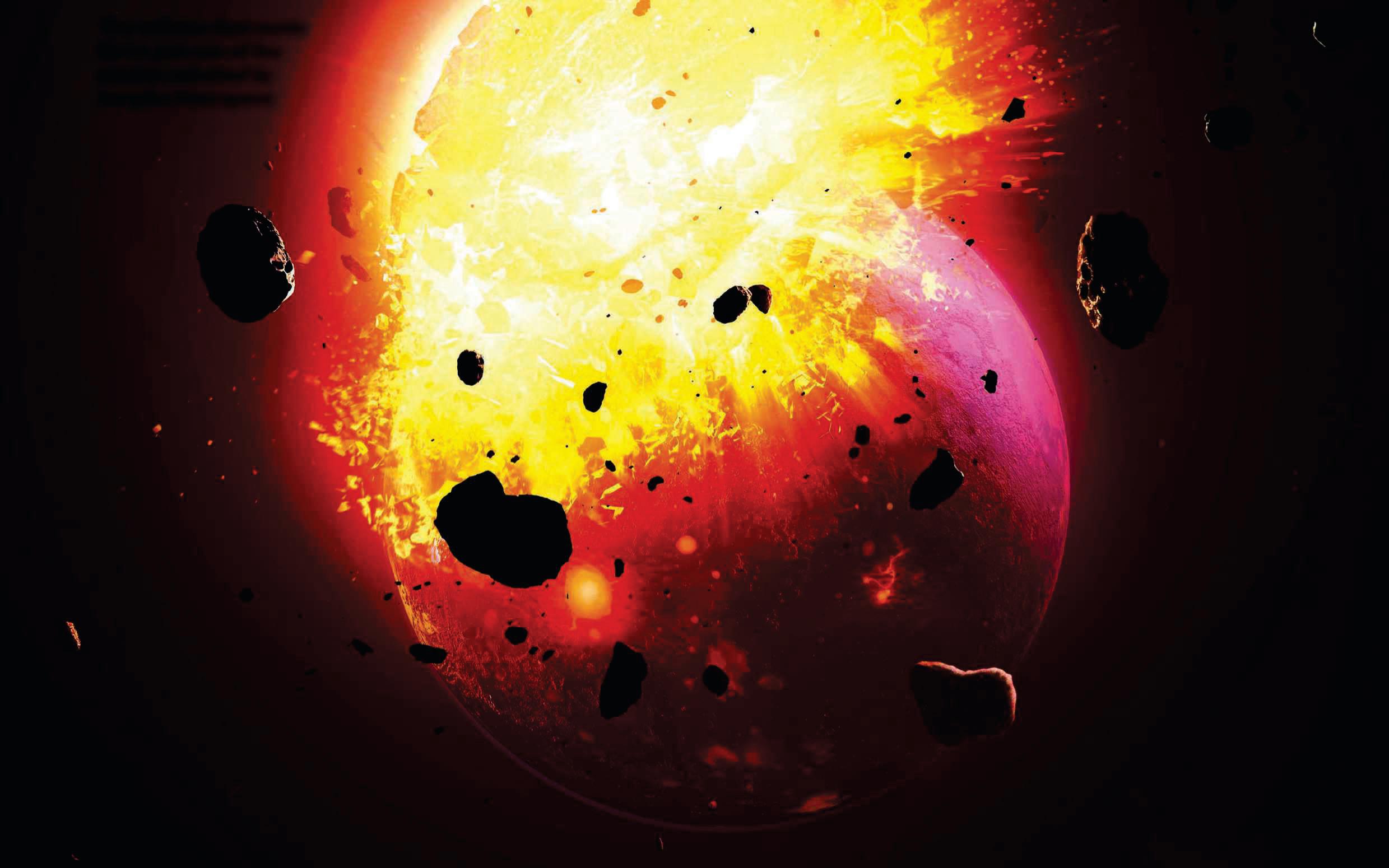
One of the best ways to study the Universe is to inspect actual materials from our celestial neighbours.
Some naturally fall to Earth as meteorites, but these are few and far between, limited in their origins and are not likely to be pristine. That's why scientists have put great efforts into remotely grabbing samples of the Solar System's worlds and returning them to Earth. These sample-return missions (SRMs) provide important insights which cannot be obtained by any other means.
Scientists use a huge range of exotic-sounding techniques to analyse these samples, including electron microscopy, spectroscopic analysis, isotope analysis and even muon beam imaging. Together, the results can reveal a treasure trove of data: when, where and how the object formed, its history and evolution, and its relation to other objects.
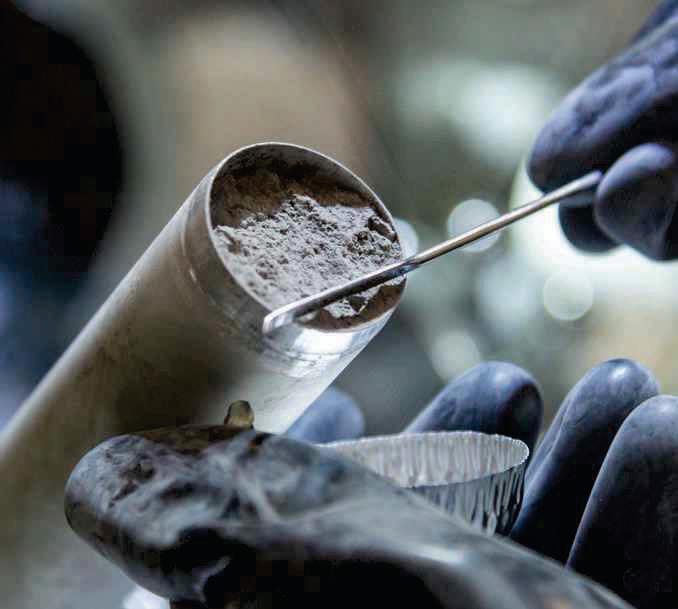 So far, there have been 17 successful SRMs which all told have returned about 384kg (847lb) of Moon rocks, about 128g (4.5oz) of asteroid material and about one milligram (0.000035oz) of comet dust to Earth. So, what have these missions taught us about the Solar System?
Lunar rock
Lunar samples were first returned by the six manned Apollo missions, the Soviet Union's three robotic Luna missions and, most recently, China's Chang'e 5 and 6.

Denne historien er fra January 2026-utgaven av BBC Sky at Night Magazine.
Abonner på Magzter GOLD for å få tilgang til tusenvis av kuraterte premiumhistorier og over 9000 magasiner og aviser.
Allerede abonnent? Logg på
FLERE HISTORIER FRA BBC Sky at Night Magazine
BBC Sky at Night Magazine
The Giant Leap: Why Space is the Next Frontier in the Evolution of Life
“Earth is the cradle of humanity, but one cannot live in the cradle forever,” wrote Konstantin Tsiolkovsky in 1911.

1 mins
February 2026
BBC Sky at Night Magazine
Tele Vue Nagler Type-7 series eyepieces
These premium optics were inspired by Apollo - and deliver a giant leap to your views
4 mins
February 2026
BBC Sky at Night Magazine
Once Upon a Time in Space
While the Space Race of the Cold War years was ultimately a geopolitical contest between the USA and the Soviet Union, the rivalry sparked rapid innovation and inspired multiple generations to look skyward.
1 mins
February 2026
BBC Sky at Night Magazine
The Multiverse: When One Universe Isn't Enough
The concept of a 'multiverse' – the idea that our Universe may be just one of many – is widespread in science fiction and a common thread of online discussions.
1 mins
February 2026
BBC Sky at Night Magazine
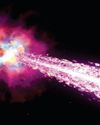
Q&A WITH A GAMMA RAY SPECIALIST
In 2025, astronomers detected a blast from space that lasted seven hours. Now they're uncovering the strange processes behind the exceptional outburst
3 mins
February 2026
BBC Sky at Night Magazine
Astronomy Photographer of the Year
The world-leading astrophotography competition returns. Could your image take the top prize of £10,000?
2 mins
February 2026
BBC Sky at Night Magazine
MOONWATCH
February's top lunar feature to observe
2 mins
February 2026
BBC Sky at Night Magazine
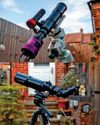
NOVAStar Scarlet A62Q 62mm f/8.4 quadruplet achromatic refractor
Well-built and capable, this beginner scope punches well above its bargain price
4 mins
February 2026
BBC Sky at Night Magazine
STAR OF THE MONTH
Rasalas, Leo the Lion's metal-rich crown
1 min
February 2026
BBC Sky at Night Magazine
Comet 24P/Schaumasse
Having reached perihelion on 8 January, comet 24P/ Schaumasse is now fading. Starting the month at a small-telescope-friendly mag. +10.5, it dims throughout February to below 12th magnitude.
1 min
February 2026
Listen
Translate
Change font size