Prøve GULL - Gratis
THE NEW RASPUTINS
The Atlantic
|February 2025
Anti-science mysticism is enabling autocracy around the globe.
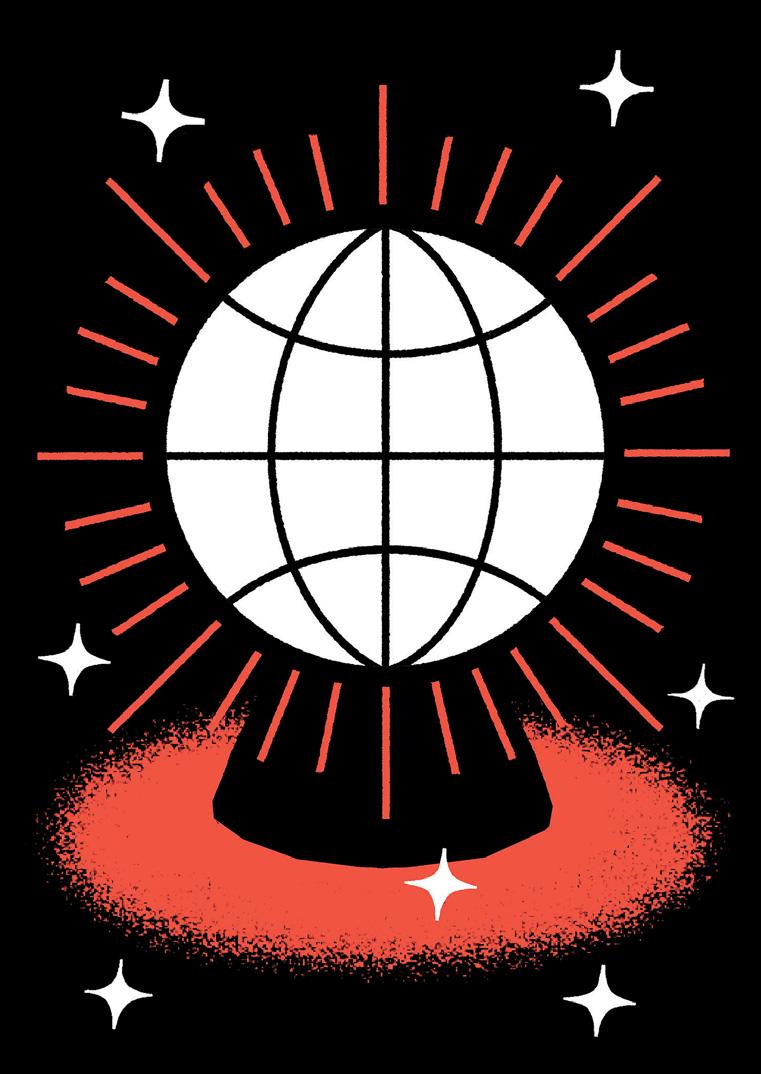
Frosty pine trees rim the edge of an icy lake. Snow is falling; spa music plays in the background. A gray-haired man with a pleasant face stands beside the lake. He begins to undress. He is going swimming, he explains, to demonstrate his faith, and his opposition to science, to technology, to modernity. "I don't need Facebook; I don't need the internet; I don't need anybody. I just need my heart," he says. As he swims across the lake, seemingly unbothered by the cold, he continues: "I trust my immune system because I have complete trust and faith in its creator, in God. My immunity is part of the sovereignty of my being."
This is Călin Georgescu, the man who shocked his countrymen when he won the first round of the Romanian presidential election on November 24, despite hardly registering in opinion polls and conducting his campaign almost entirely on TikTok, where the platform's rules, ostensibly designed to limit or regulate political messages, appear not to have constrained him. On the contrary, he used the tactics that many social media influencers deploy to appeal to the Tik Tok algorithm. Sometimes he added soft, melancholic piano music, imploring people to "vote with your souls." Sometimes he used pop-up subtitles, harsh lighting, fluorescent colors, and electronic music, calling for a "national renaissance" and criticizing the secret forces that have allegedly sought to harm Romanians. "The order to destroy our jobs came from the outside," he says in one video. In another, he speaks of "subliminal messages" and thought control, his voice accompanied by images of a hand holding puppet strings. In the months leading up to the election, these videos amassed more than 1 million views.

Denne historien er fra February 2025-utgaven av The Atlantic.
Abonner på Magzter GOLD for å få tilgang til tusenvis av kuraterte premiumhistorier og over 9000 magasiner og aviser.
Allerede abonnent? Logg på
FLERE HISTORIER FRA The Atlantic

The Atlantic
Deadlier Than Gettysburg
How the cruelty of the Confederacy's prison camps gave rise to the rules of war

10 mins
March 2026

The Atlantic
THE MAN WHO BROKE PHYSICS
One of the pleasures of watching Ilia Malinin, apart from his indifference to gravity, is to witness him becoming.
16 mins
March 2026

The Atlantic
How Toni Morrison Saw History
In her novels, she located the missing story of Black America.
12 mins
March 2026

The Atlantic
The Madness of Lord Tennyson
The Victorian poet was startlingly modern.
5 mins
March 2026

The Atlantic
THE PLOT AGAINST THE HUMANITIES
What is the Andrew W. Mellon Foundation doing to higher education?
22 mins
March 2026

The Atlantic
Why Do Democrats Hate Winning?
Ken Martin has one of those resting dread faces, as if he's bracing for someone to dump a bucket of rocks on his head.
37 mins
March 2026

The Atlantic
ROD DREHER'S DEMONS
HE DERIDES THE ENLIGHTENMENT, SECULARISM, AND THE MODERN WORLD. CONSERVATIVES-INCLUDING THE VICE PRESIDENT-ARE JOINING HIM ON A MARCH BACK TO THE MIDDLE AGES.
20 mins
March 2026

The Atlantic
Every Nation for Itself
President Trump wants to return to the 19th century's international order. He will leave America less prosperous—and the whole world less secure.
19 mins
March 2026

The Atlantic
The Secrets of Indigenous Art
Major exhibits are upending the way people understand Native American and Aboriginal artists.
14 mins
March 2026

The Atlantic
The Novel as Extended Op-Ed
If anyone could write good fiction about immigration, it would probably be Lionel Shriver. Instead, her latest book goes off the rails.
10 mins
March 2026
Listen
Translate
Change font size