
Gå ubegrenset med Magzter GOLD
Få ubegrenset tilgang til over 9000 magasiner, aviser og premiumhistorier for bare
Prøve GULL - Gratis
LINCOLN'S REVOLUTION
The Atlantic
|November 2025
How he used America's past to rescue its future
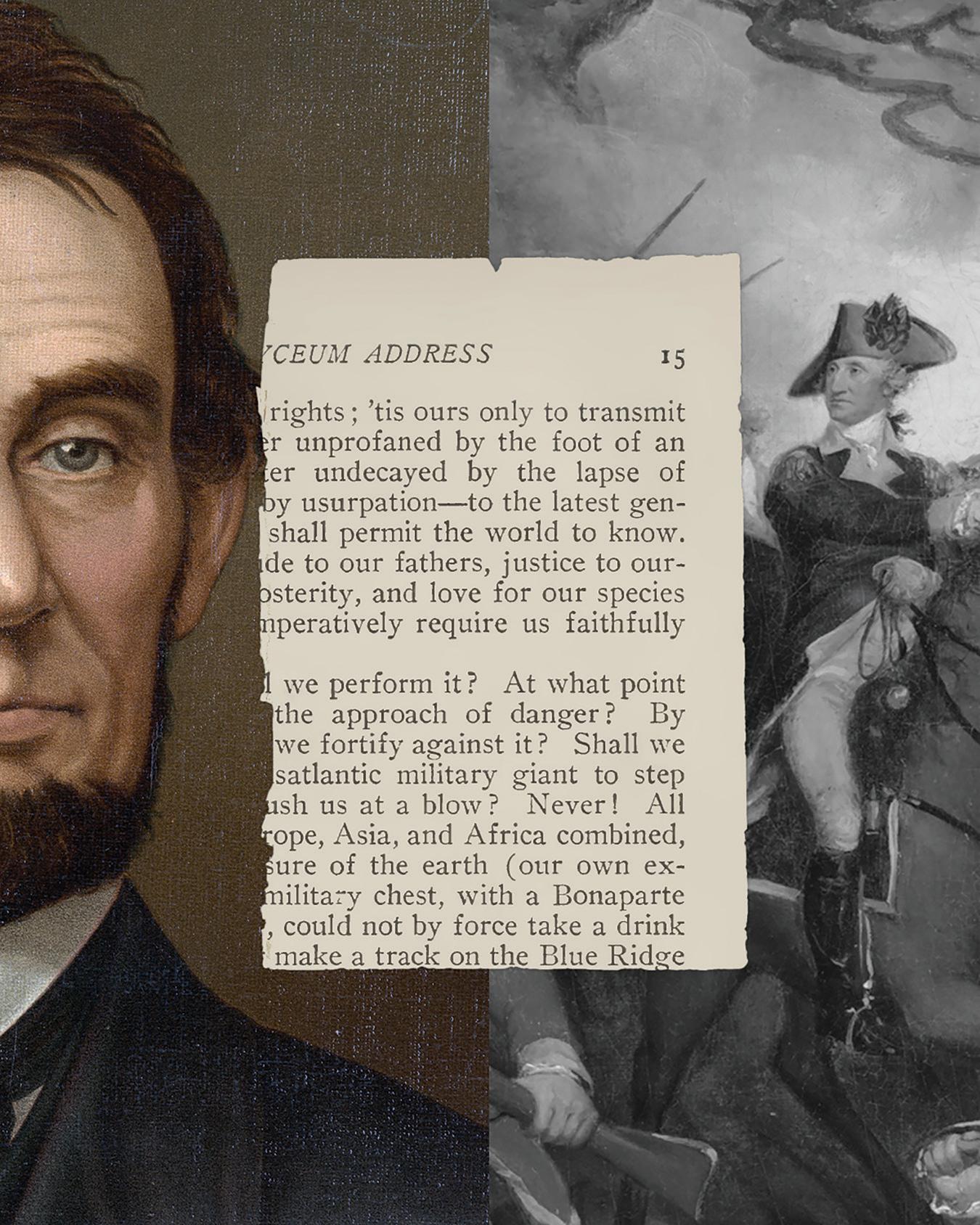
Abraham Lincoln's first inaugural address is a dense, technical affair. Delivered in March 1861, before the outbreak of the Civil War but after seven states had left the Union, it could hardly have been the occasion for much else. After a long treatise on the illegality of secession, Lincoln closed with a single flourish. His plea to the “better angels of our nature” is so familiar that we can miss the very particular intercession he imagines. The better angels will touch “the mystic chords of memory” reaching “from every battlefield, and patriot grave” into the hearts of all Americans and “yet swell the chorus of the union.” It is a complex, orchestral vision: angels as musicians, shared past as instrument, the nation itself stirred back into tune.
We can still hear in Lincoln's final, lyrical turn something of what the American Revolution sounded like in his head: transcendent and alive. With good reason, he believed the same to be true for other Americans. They, too, had been reared in a culture of deep veneration for the Revolutionary past; they, too, had heard the stories, memorized the speeches, attended the parades, and worshipped “the fathers.” The problem was that he saw himself as the protector of the Revolution, while those who formed the Confederacy claimed to be its rightful heirs. What he called “the momentous issue of civil war” could not be averted.
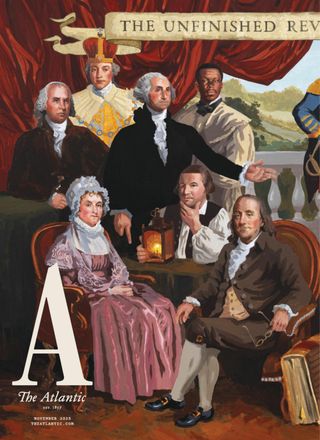

Denne historien er fra November 2025-utgaven av The Atlantic.
Abonner på Magzter GOLD for å få tilgang til tusenvis av kuraterte premiumhistorier og over 9000 magasiner og aviser.
Allerede abonnent? Logg på
FLERE HISTORIER FRA The Atlantic
The Atlantic
The Eighth Deadly Sin
Humankind has devised a new form of debasement.

5 mins
May 2026
The Atlantic
The Art of the (New) Deal
What the murals of the Wilbur J. Cohen Federal Building can teach us about patriotism, propaganda, and beauty
12 mins
May 2026

The Atlantic
New Chairs
Collaboration, for Robert Rauschenberg and Merce Cunningham, began with the arrangement of chairs.
1 mins
May 2026
The Atlantic
HISTORY IS RUNNING BACKWARDS
Why reactionaries are taking over the world
21 mins
May 2026

The Atlantic
SOMEDAY IN TEHRAN
Like Donald Trump, I, too, once underestimated the Islamic Republic of Iran.
16 mins
May 2026

The Atlantic
On Losing a Daughter
The people we were died at the exact moment our child did.
19 mins
May 2026

The Atlantic
I Found It: The Best Free Restaurant Bread in America
Thirteen thousand miles. Infinite contenders. One beautiful loaf.
15 mins
May 2026
The Atlantic
EVERYTHING IS FREE AND NOTHING MATTERS
What I saw at Jeff Bezos's Campfire retreat
9 mins
May 2026

The Atlantic
Who Is Black Comedy For?
A new book is nostalgic for the '90s. But the era of crossover success was not necessarily the pinnacle of Black comedic achievement.
8 mins
May 2026

The Atlantic
The Feeling of Becoming Less and Less of a Person
In Ben Lerner's new novel, technology divides us further from one another, and ourselves.
9 mins
May 2026
Listen
Translate
Change font size