Prøve GULL - Gratis
THE BLACK LOYALISTS
The Atlantic
|November 2025
Thousands of African Americans fought for the British-then fled the United States to avoid a return to enslavement.
The man who would come to be called Harry Washington was born near the Gambia River, in West Africa, around 1740. As a young man, he was sold into slavery and endured the horrors of the Middle Passage. In Virginia, he was purchased by a neighbor of George Washington, who then bought the young man in 1763 for 40 pounds. After working to drain the colony's Great Dismal Swamp—one of George Washington's many land ventures—he was sent to Mount Vernon to care for the horses.
Then came war. With General Washington in Massachusetts leading the Continental Army, Harry Washington, like thousands of other enslaved people, abandoned the plantation, risking torture and imprisonment, to join the British cause. In exchange for his freedom, he enlisted in what was known as the Ethiopian Regiment.
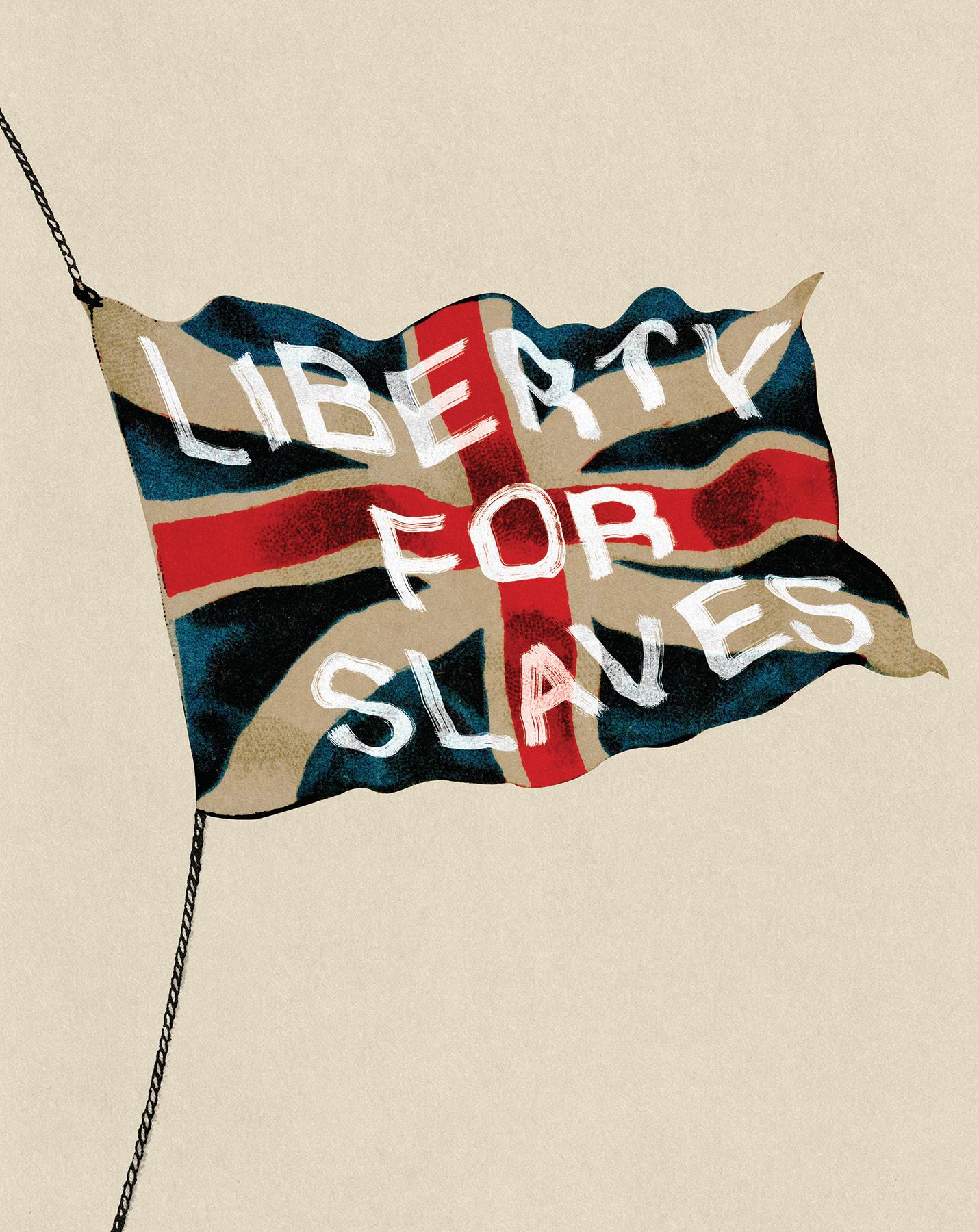
Virginia's royal governor, Lord Dunmore, had created a base to oppose the rebels near the port of Norfolk in the summer of 1775. Encouraged by the large numbers of enslaved people who sought sanctuary behind British lines, he published the British empire's first emancipation proclamation in November, granting liberty to any person in bondage, owned by Patriots, who would take up arms for King George III. These recruits—Harry Washington among them—formed the empire's first Black regiment. Together with Dunmore, they launched what would amount to the biggest slave insurrection in the nation's history until the Civil War. Their uniforms bore the motto "Liberty for Slaves"—a tart retort to the "Liberty or Death" slogan favored by Patriots.
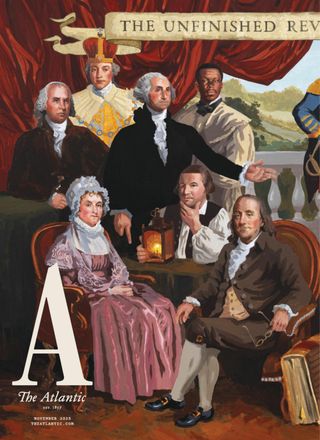

Denne historien er fra November 2025-utgaven av The Atlantic.
Abonner på Magzter GOLD for å få tilgang til tusenvis av kuraterte premiumhistorier og over 9000 magasiner og aviser.
Allerede abonnent? Logg på
FLERE HISTORIER FRA The Atlantic

The Atlantic
The New German War Machine
After World War II, Germany embraced pacifism as a form of atonement. Now the country is arming itself again.

18 mins
January 2026

The Atlantic
What's for Dinner, Mom?
The women who want to change the way America eats
12 mins
January 2026
The Atlantic
How Terror Works
A 1947 German novel explores the sometimes corrosive, sometimes energizing nature of fear.
8 mins
January 2026

The Atlantic
Yesterday's Idea of a Modern Man
Sam Shepard, a self-made cowboy, was also a poet of masculine angst.
7 mins
January 2026
The Atlantic
The Eloquence
The prime minister was watching a disaster movie when we found him.
4 mins
January 2026

The Atlantic
ACCOMMODATION NATION
America's colleges have an extra-time-on-tests problem.
11 mins
January 2026

The Atlantic
Respect the Drummer
A new history of rock, told through its overlooked heroes
5 mins
January 2026

The Atlantic
THE MOST POWERFUL MAN IN SCIENCE
WHY IS ROBERT F. KENNEDY JR. SO CONVINCED HE'S RIGHT?
42 mins
January 2026
The Atlantic
THE MYSTERY OF MOHAMMAD TAJIK
A man claiming to be an Iranian intelligence officer promised me he'd reveal his country's secrets. But first he had a game to play.
20 mins
January 2026
The Atlantic
THE COMMONS
In the September issue, Anne Applebaum documented the anarchy and greed of Sudan's devastating civil war.
5 mins
January 2026
Listen
Translate
Change font size