
Gå ubegrenset med Magzter GOLD
Få ubegrenset tilgang til over 9000 magasiner, aviser og premiumhistorier for bare
Prøve GULL - Gratis
Modi's Failure
The Atlantic
|February 2025
Why India is losing faith in its strongman leader
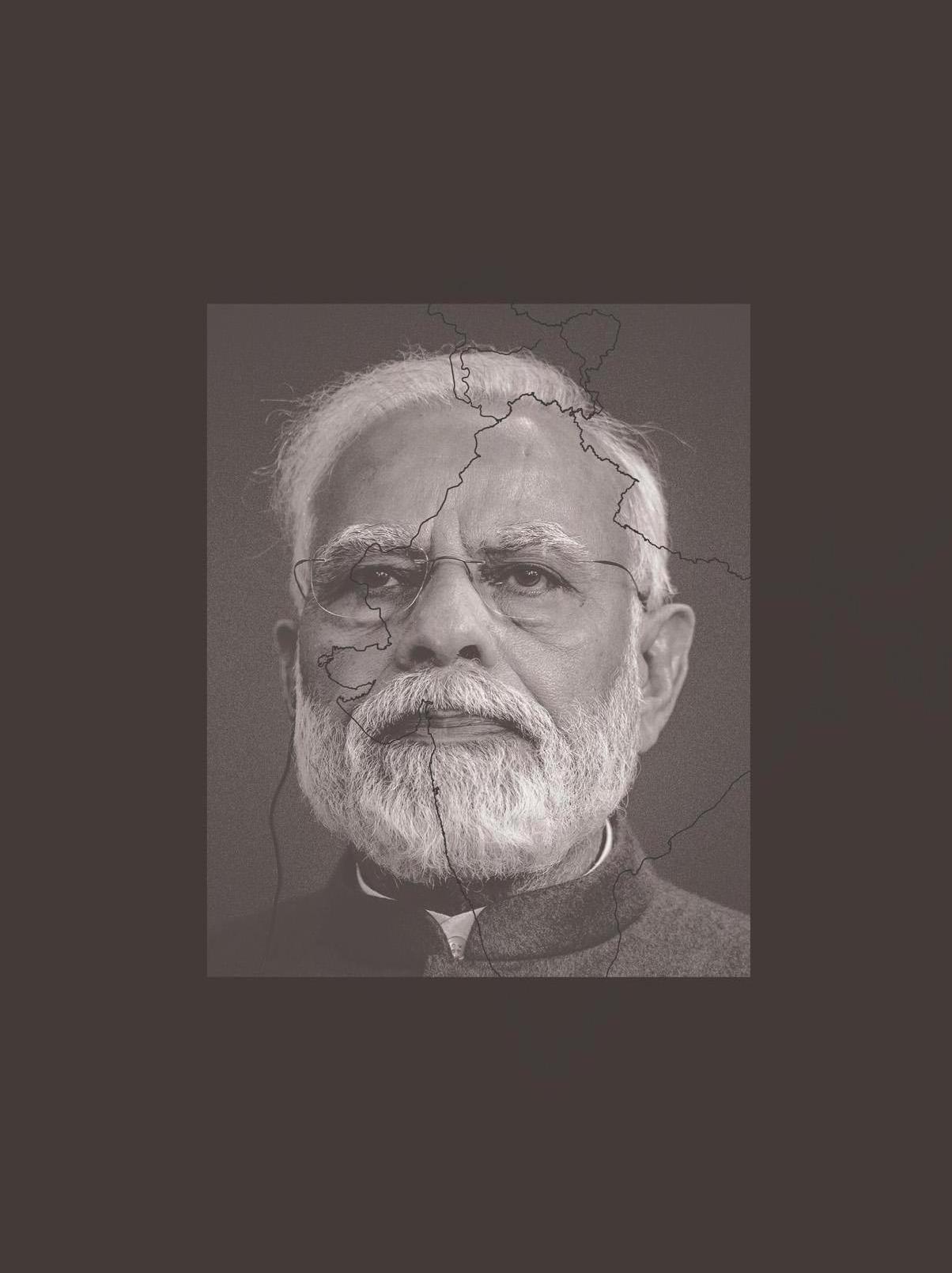
On a winter afternoon in January 2024, Prime Minister Narendra Modi stood before a podium, gazing out at a handpicked audience of the Indian elite: billionaires, Bollywood actors, cricket stars, nationalist politicians.
Modi had come to the north-central city of Ayodhya, in the state of Uttar Pradesh, to consecrate the still-unfinished temple behind him, with its seven shrines, 160-foot-high dome, and baby-faced statue of the Hindu god Ram, carved in black stone and covered in jewels. He did not mention the fact that the temple was being built on a contested site where Hindu radicals had torn down a 16th-century mosque three decades earlier, setting off years of protests and legal struggle.
Instead, Modi described the temple as an emblem of India's present and future greatness-its rising economic might, its growing navy, its moon missions, and, most of all, its immense human energy and potential. The temple signified India's historic triumph over the "mentality of slavery," he said. This nation of nearly 1.5 billion was shedding its old secular creed and, despite the fact that 200 million of its citizens are Muslim, being reborn as a land of Hindunationalist ideals. "The generations after a thousand years will remember our nation-building efforts today," he told the crowd.
Among the tens of millions of Indians who watched that speech on TV was 42-year-old Luv Shukla, who lives on the edge of a small town about a three-hour drive from Ayodhya. I met him on a hot day in June, and we chatted while sitting in plastic chairs outside the tiny electronics shop he has run since he was 16.

Denne historien er fra February 2025-utgaven av The Atlantic.
Abonner på Magzter GOLD for å få tilgang til tusenvis av kuraterte premiumhistorier og over 9000 magasiner og aviser.
Allerede abonnent? Logg på
FLERE HISTORIER FRA The Atlantic

The Atlantic
STRUCK
What getting hit by lightning does to the body and mind

15 mins
April 2026

The Atlantic
LEAVING THE UNITED STATES BEHIND
The Cruz family spent years building a life in New York. Then the risks of staying became too great.
16 mins
April 2026

The Atlantic
MY SELF-DRIVING CAR CRASH
The Tesla was driving perfectly—until it wasn't.
8 mins
April 2026

The Atlantic
The Last Days of Franco
Montserrat Roig's classic novel captures Barcelona on the cusp of unimaginable change.
7 mins
April 2026

The Atlantic
INSATIABLE
Indoor rain, windows to nowhere, and reanimated nuclear reactors- how the race to power AI is remaking the physical world
16 mins
April 2026

The Atlantic
THE WOMEN OF AVENGER FIELD
THEY BRAVELY SERVED AS PILOTS IN WORLD WAR II. THEN AMERICA FORGOT THEM.
15 mins
April 2026

The Atlantic
The Unbearable Lightness of Signalgate
Nearly a year after a national-security scandal erupted on my iPhone, no one in the Trump administration has faced serious consequences.
14 mins
April 2026

The Atlantic
Robyn Is Still Dancing On Her Own
The queen of poptimism takes up motherhood and midlife desire.
5 mins
April 2026

The Atlantic
The College-Educated Working Class
Can a generation of graduates frustrated by their economic prospects change American labor politics?
13 mins
April 2026

The Atlantic
THAT 1930s FEELING
How dark fringes reached the center of the Republican Party
10 mins
April 2026
Listen
Translate
Change font size