
Gå ubegrenset med Magzter GOLD
Få ubegrenset tilgang til over 9000 magasiner, aviser og premiumhistorier for bare
Prøve GULL - Gratis
Seinfeld Was Right: That's a Story
Writer’s Digest
|January - February 2025
Use mundane moments from everyday life to create stories that pack a punch.

If you're a writer, you've had someone tell you their idea for a story. It's just part of the gig: people thinking that writing fiction is all about the idea, the big twist, the edgy premise. Instead of what writing is really about-the work. They never want to do the work, do they? They tell you their mind-blowing, culture-shifting idea and then demand half the royalties² after you spend the next six years of your life locked in a room writing the damned thing as you slowly transform intoThe Proust a much less wealthy Howard Hughes.
Sure, sure, you need the idea. At some point, your story has to be about something, after all-but it's a big mistake to assume that great stories have to be about big ideas, that there has to be a complex chain of events worked out before you can even put the first word on paper or your screen. Stories can be inspired by the mundane, by the everyday, by simple observations and descriptions.
The classic old situation comedy "Seinfeld" nailed this back in 1992. In the episode "The Pitch," Jerry and his friend George Costanza pitch their idea for a "show about nothing" to a network executive:
GEORGE: What'd you do today?
RUSSELL: I got up and came to work.
GEORGE: There's a show. That's a show.
George wasn't often right on that show, but he's right about this: The inspiration and body of a story can come from anything, from any experience or impression. I
write a lot of stories, and many of them have begun as simple exercises where I write about something that happened (STH). The "something" usually isn't particularly interesting or clever on its own: One recent story came from thinking about an old apartment where I used to live, and another-and I swear I am not making this upwas inspired by a random thought I had about laundry.
Most of the ideas that launched those stories and novels weren't clever or exciting on their face. They were mundane, even kind of boring.
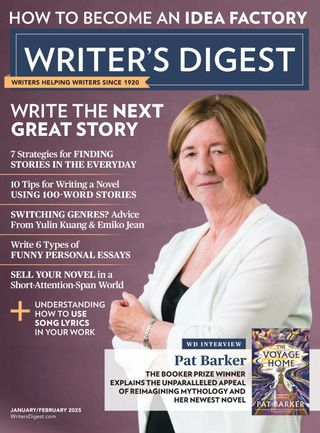

Denne historien er fra January - February 2025-utgaven av Writer’s Digest.
Abonner på Magzter GOLD for å få tilgang til tusenvis av kuraterte premiumhistorier og over 9000 magasiner og aviser.
Allerede abonnent? Logg på
FLERE HISTORIER FRA Writer’s Digest

Writer’s Digest
Lauren Groff
The three-time National Book Award finalist discusses her new short story collection, Brawler, and the necessity of failure in writing.

14 mins
March / April 2026

Writer’s Digest
Seven
THE CHALLENGE: Write a short story of 650 words or fewer based on the photo below.
2 mins
March / April 2026

Writer’s Digest
Pacing in Nonfiction
It's all about story.
5 mins
March / April 2026
Writer’s Digest
If You're Bored, They're Bored
Five Zero-Draft tricks to ensure tight pacing.
8 mins
March / April 2026

Writer’s Digest
Deities
Gods and goddesses have had power over our imaginations stretching through the ages—whether ancient Norse, Chinese, Mesoamerican, or Greco-Roman, we have a fascination with cosmic beings.
5 mins
March / April 2026
Writer’s Digest
Merging Memory With Imagination
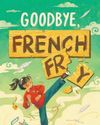
Author Rin-rin Yu's debut middle-grade novel, Goodbye, French Fry, represents a combination of her true childhood experiences and the universal experience of growing into yourself.
5 mins
March / April 2026

Writer’s Digest
Put Yourself in Charge of Your Own Story
Julie Ann Sipos, grand-prize winner of the 33rd annual WD Self-Published Book Awards, on how her career in Hollywood influences her writing style and her business strategy as an indie author.
4 mins
March / April 2026

Writer’s Digest
The Pause Is the Point
How to use stillness to create momentum in your fiction.
10 mins
March / April 2026

Writer’s Digest
Ericka Tiffany Phillips
Ericka Tiffany Phillips is a literary agent at the Stephanie Tade Agency, representing nonfiction authors whose “work have the power to shape culture and catalyze collective transformation,” she says.
2 mins
March / April 2026

Writer’s Digest
Short-Story Dispensers Bring Literature to the Masses
Life is often a wait, whether it's for a commuter train, an appointment with a doctor, or the start of a class.
5 mins
March / April 2026
Listen
Translate
Change font size