
Gå ubegrenset med Magzter GOLD
Få ubegrenset tilgang til over 9000 magasiner, aviser og premiumhistorier for bare
How The Bankers Stayed Out Of Jail
The Atlantic
|September 2015
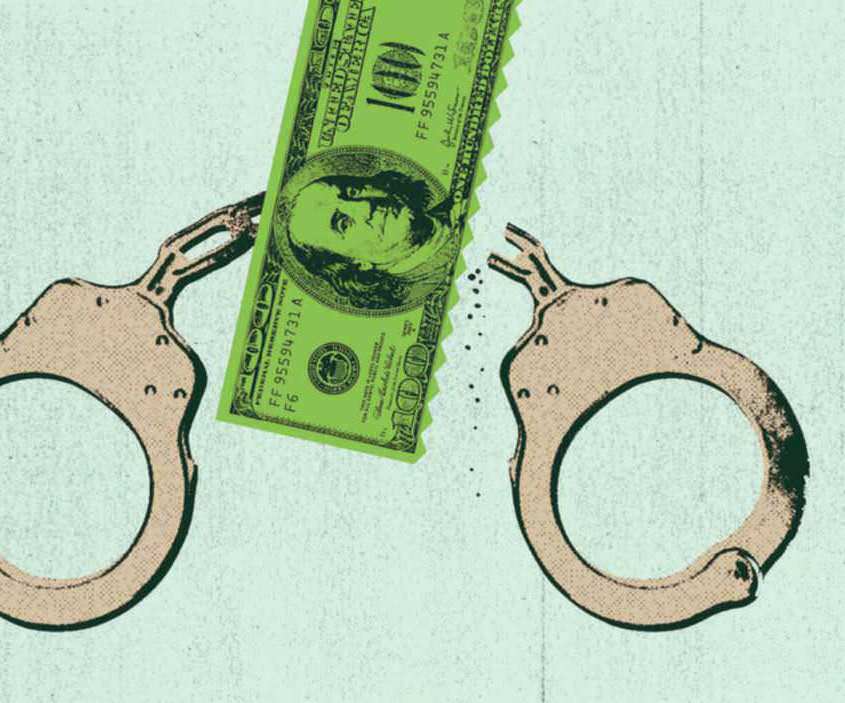
The probes into bank fraud leading up to the crash have been quietly closed. Has justice been done?
On May 27 , in her first major prosecutorial act as the new U.S. attorney general, Loretta Lynch unsealed a 47-count indictment against nine FIFA officials and another five corporate executives. She was passionate about their wrongdoing. “The indictment alleges corruption that is rampant, systemic, and deep-rooted both abroad and here in the United States,” she said. “Today’s action makes clear that this Department of Justice intends to end any such corrupt practices, to root out misconduct,and to bring wrongdoers to justice.”
Lost in the hoopla surrounding the event was a depressing fact. Lynch and her predecessor, Eric Holder, appear to have turned the page on a more relevant vein of wrongdoing: the profligate and dishonest behavior of Wall Street bankers, traders, and executives in the years leading up to the 2008 financial crisis. How we arrived at a place where Wall Street misdeeds go virtually unpunished while soccer executives in Switzerland get arrested is murky at best. But the legal window for punishing Wall Street bankers for fraudulent actions that contributed to the 2008 crash has just about closed. It seems an apt time to ask: In the biggest picture, what justice has been achieved?
Since 2009, 49 financial institutions have paid various government entities and private plaintiffs nearly $190 billion in fines and settlements, according to an analysis by the investment bank Keefe, Bruyette & Woods. That may seem like a big number, but the money has come from shareholders, not individual bankers. (Settlements were levied on corporations, not specific employees, and paid out as corporate expenses—in some cases, tax-deductible ones.) In early 2014, just weeks after Jamie Dimon, the CEO of JPMorgan Chase, settled out of court with the Justice Department, the bank’s board of directors gave him a 74 percent raise, bringing his salary to $20 million.

Denne historien er fra September 2015-utgaven av The Atlantic.
Abonner på Magzter GOLD for å få tilgang til tusenvis av kuraterte premiumhistorier og over 9000 magasiner og aviser.
Allerede abonnent? Logg på
FLERE HISTORIER FRA The Atlantic

The Atlantic
You Had to Be There
An emerging field of history asks if we can ever really understand how our forebears experienced love, anger, fear, and sorrow.

23 mins
January 2026

The Atlantic
By the Horns
The week before the biggest bullfight of her career, in Cádiz, Spain, this past July, 24-year-old Miriam Cabas posted a carefully produced video on Instagram.
1 mins
January 2026

The Atlantic
The New German War Machine
After World War II, Germany embraced pacifism as a form of atonement. Now the country is arming itself again.
18 mins
January 2026
The Atlantic
The Eloquence
The prime minister was watching a disaster movie when we found him.
4 mins
January 2026

The Atlantic
What's for Dinner, Mom?
The women who want to change the way America eats
12 mins
January 2026

The Atlantic
How Terror Works
A 1947 German novel explores the sometimes corrosive, sometimes energizing nature of fear.
8 mins
January 2026

The Atlantic
Yesterday's Idea of a Modern Man
Sam Shepard, a self-made cowboy, was also a poet of masculine angst.
7 mins
January 2026

The Atlantic
ACCOMMODATION NATION
America's colleges have an extra-time-on-tests problem.
11 mins
January 2026

The Atlantic
Respect the Drummer
A new history of rock, told through its overlooked heroes
5 mins
January 2026

The Atlantic
THE MOST POWERFUL MAN IN SCIENCE
WHY IS ROBERT F. KENNEDY JR. SO CONVINCED HE'S RIGHT?
42 mins
January 2026
Translate
Change font size