Prøve GULL - Gratis
Your Body Clock and Your Health
Prevention US
|October 2022
It’s time to get familiar with your chronotype —because getting in tune with your circadian rhythm could make your nights more restful and your days more energized.

Do you struggle to stay up at night or have a hard time waking up in the morning?
It could be due to your chronotype, or your body's natural preference to fall asleep at a certain time. It all comes down to your unique circadian rhythm. "Circadian' is formed from Latin words-it means 'around a day," says Alicia Roth, Ph.D., a clinical health psychologist who specializes in behavioral sleep medicine at Cleveland Clinic.
"On Earth our day is 24 hours, so that's how our body clock is pretty much set." In fact, Roth points out, the 2017 Nobel Prize in Physiology or Medicine went to scientists who made an important discovery about circadian rhythm: There's a gene that encodes a protein that builds up in cells at night and breaks down during the day. In other words, every cell in your body follows your circadian rhythm or internal clock. "But everything's on a little bit of a different clock, so we have clocks for sleep and waking, and clocks for hormones and digestion and bowel movements and organ function," says Roth. "When we're talking about chronotypes, we're mostly talking about our sleep-wake clocks."
Your chronotype, or circadian typology, refers to your natural levels of alertness over a 24-hour period, says Natalie Dautovich, Ph.D., the environmental fellow for the National Sleep Foundation and an associate professor in the department of psychology at Virginia Commonwealth University. Some people have a chronotype that makes them more alert at sunrise, while others have one that keeps them alert at night.
THE PHYSIOLOGY BEHIND CHRONOTYPES
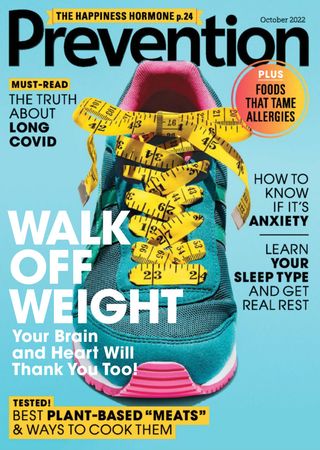

Denne historien er fra October 2022-utgaven av Prevention US.
Abonner på Magzter GOLD for å få tilgang til tusenvis av kuraterte premiumhistorier og over 9000 magasiner og aviser.
Allerede abonnent? Logg på
FLERE HISTORIER FRA Prevention US

Prevention US
DINNER? DONE!
These five simple strategies will SAVE YOU WEEKNIGHT TIME while delivering nutritious, delicious, feel-good feasts.

6 mins
February 2026
Prevention US
PREVENTION PICKS
OUR FOOD AND FITNESS WHIZ BRINGS YOU HER MONTHLY FEEL-GOOD FINDS.
2 mins
February 2026

Prevention US
YOUR FEBRUARY TO-DO LIST
NO PRESSURE! TRY THE ONES THAT THAT SUIT YOU.
1 mins
February 2026

Prevention US
Embrace Alone Time
Doing things solo is empowering, once you get over the discomfort factor.
4 mins
February 2026

Prevention US
CHAPPED LIP FIXES
A DERM'S FAVE TIPS FOR A SMOOTH POUT
2 mins
February 2026
Prevention US
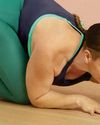
HELP YOUR HIPS
Pigeon pose is a beloved yoga asana for stretching the hips and some of their supporting players such as the quads, the glutes, and the groin. This variation entails folding forward, which allows for a deeper, more relaxed and restorative stretch that can help release all types of tension, including the mental kind.
1 min
February 2026

Prevention US
FORGIVENESS 101
FOLLOW THESE EXPERT STEPS TO FEEL LIGHTER AND MORE FREE.
2 mins
February 2026

Prevention US
GET MORE ENERGY
Dragging, lagging, sagging, or just plain tired and over it? Your body and your mind are trying to tell you something. If you listen carefully, you can turn things around. Plug into our amp-it-up manual to find out how.
9 mins
February 2026

Prevention US
JUMP! (for your bónes)
High-impact workouts, which can help prevent or slow osteopenia and osteoporosis, can be intimidating even if you don't have problems with your joints. But there may be ways to get the benefits without the ouch. Here, all you need to figure out how to incorporate some flight into your routine.
6 mins
February 2026

Prevention US
YOU DESERVE A TREAT
SIMPLE AND SATISFYING
1 min
February 2026
Translate
Change font size