試す 金 - 無料
Fast Fashion Needs a Green Makeover
Scientific American
|October 2025
A more circular economy in textiles will look good on everyone
-
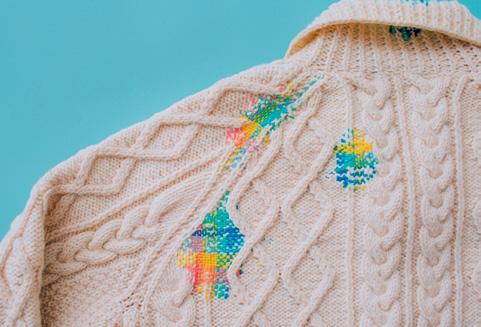
PEOPLE IN THE U.S. throw away at least 17 million tons of textiles every year—about 100 pounds of clothing per person. At the same time, unsold blouses, jackets, and other fashion-industry leftovers end up in dumps such as the one in Chile’s Atacama Desert, so vast as to be visible from space. Many of these items are fast fashion—made quickly, sold cheaply, and in style for too short a time because the industry relies on novelty to keep consumers buying.
Fashion poses more than an aesthetic problem, however. Every year the global garment industry emits up to 10 percent of the world’s greenhouse gas output and uses enough water to fill at least 37 million Olympic-size swimming pools, as an article in this magazine noted this past July. Cotton farming can involve massive quantities of pesticides, and yarn dyeing pollutes waterways with toxic chemicals. Synthetic polymers such as nylon are made with fossil fuels and shed microfibers with every wash.
It’s time to embrace a circular economy in fashion—one that reuses clothes, fabrics and yarn; recycles to the extent possible; and encourages producers and retailers to choose textiles and processes that minimize the input of raw resources such as cotton or synthetic polymers. Our choices as consumers matter as well. How we select fashion and follow trends is one accessible way we can make a dent in climate change.
Almost one third of the clothes produced every season are never sold and may go straight to landfills.
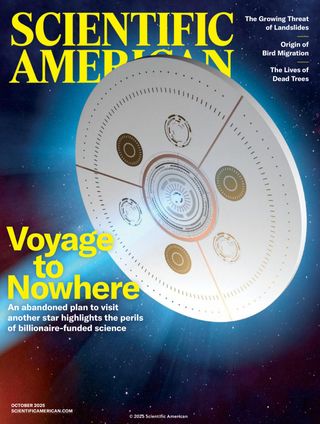

このストーリーは、Scientific American の October 2025 版からのものです。
Magzter GOLD を購読すると、厳選された何千ものプレミアム記事や、10,000 以上の雑誌や新聞にアクセスできます。
すでに購読者ですか? サインイン
Scientific American からのその他のストーリー
Scientific American
Flashes in the Night
Celestial transients shine furiously and briefly. Astronomers are just beginning to understand them.

13 mins
January 2026

Scientific American
The Imperiled Orcas of the Salish Sea
The southern resident killer whales are on the brink. Now the scientists who study them are, too
17 mins
January 2026

Scientific American
The Reptile Sexpocalypse
The sex of many turtles, crocodilians, and other reptiles is determined by the temperature at which their eggs incubate. Global warming could doom them
11 mins
January 2026

Scientific American
A Suite of Killers
Heart ailments, kidney diseases and type 2 diabetes actually may be part of just one condition. It's called CKM syndrome
10 mins
January 2026
Scientific American
A Good Night's Sleep
Psychological data and brain scans show all the ways sleep can improve our lives, our bodies and our relationships
1 mins
January 2026

Scientific American
Behind the Nobel
A 2025 winner reflects on the mysterious T cells that won him the prize
5 mins
January 2026
Scientific American
Cable Quakes
Fiber optics that connect the world can detect its earthquakes, too
2 mins
January 2026

Scientific American
Inside Asteroid Family Trees
Asteroid origins can be hard to trace
4 mins
January 2026

Scientific American
Think Again
Chimpanzees can weigh evidence and update their beliefs like humans do.
3 mins
January 2026

Scientific American
Cracking the World's Most Famous Code
Solving the CIA's Kryptos puzzle took three parts math and one part sleuthing
6 mins
January 2026
Listen
Translate
Change font size