
Magzter GOLDで無制限に
10,000以上の雑誌、新聞、プレミアム記事に無制限にアクセスできます。
The catalyst within
Down To Earth
|October 01, 2025
HORMONES NOT ONLY SHAPE ONE'S HEALTH, BUT HAVE LIKELY IMPACTED GLOBAL EVENTS
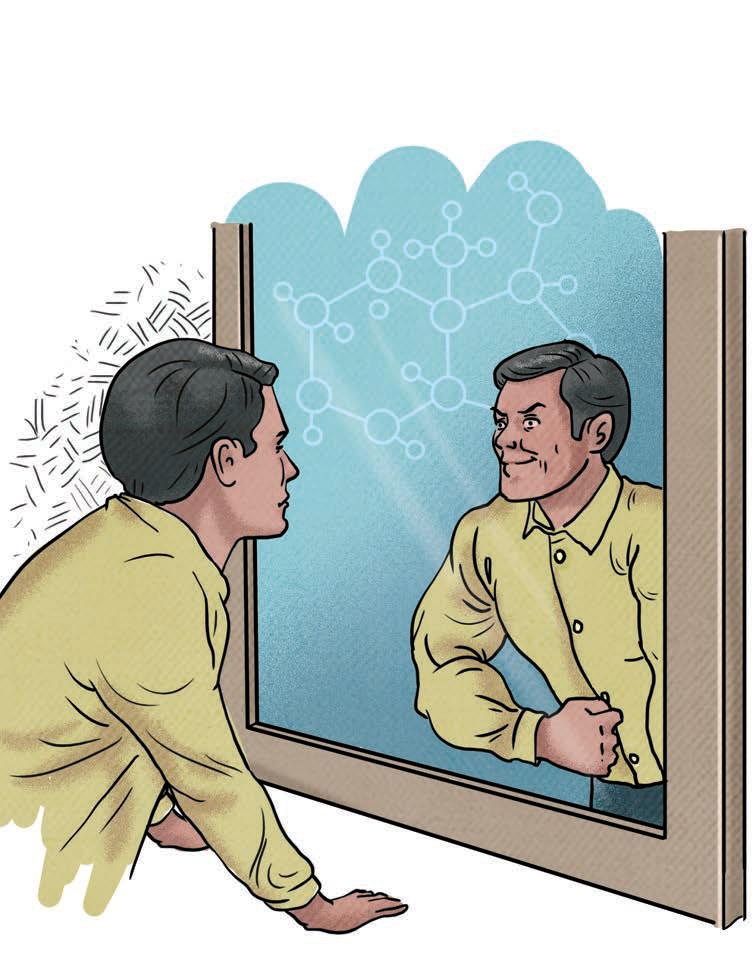
IF YOU are a history enthusiast, chances are that you would have heard of the Cuban missile crisis, the 1962 standoff between the US and the erstwhile Soviet Union that brought the world on the verge of a nuclear war. But what you might not be aware of is that hormones—chemicals that circulate in the bloodstream to carry messages or signals to different parts of the body—are likely to have precipitated the crisis.
The year was 1961. American President John F Kennedy, who had taken office just a few months ago, and Soviet prime minister Nikita Khrushchev met in Austria to discuss nuclear proliferation and the status of the German city of Berlin, which was controlled post World War II by the US and its allies (West Berlin) and the Soviet Union (East Berlin). Kennedy, who had Addison's disease—a chronic condition characterised by low production of the hormone cortisol—could not get his cortisol shot for a prolonged period since Khrushchev turned up late to the meeting. As Kennedy waited, he probably experienced fatigue, muscle weakness and low mood due to decreasing cortisol levels. Khurshchev, who did not know of Kennedy's ailment since the affliction had not been revealed to the public, took Kennedy to be weak and defensive, hypothesises author Max Nieuwdorp in The Power of Hormones. This is the reason for the Russian leader's misadventure of setting up missiles in Cuba, resulting in a naval blockade of the island nation by the US, writes Nieuwdorp.

このストーリーは、Down To Earth の October 01, 2025 版からのものです。
Magzter GOLD を購読すると、厳選された何千ものプレミアム記事や、10,000 以上の雑誌や新聞にアクセスできます。
すでに購読者ですか? サインイン
Down To Earth からのその他のストーリー
Down To Earth
KING OF BIRDS
Revered for centuries, western tragopan now needs protection as its forests shrink, human pressures mount

3 mins
December 16, 2025
Down To Earth
WHISKERS ALL AQUIVER
Climate change threatens creatures that have weathered extreme environments for thousands of years
2 mins
December 16, 2025

Down To Earth
GOLDEN SPIRIT
Survival of the shy primate is closely tied to the health of Western Ghats
3 mins
December 16, 2025
Down To Earth
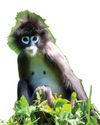
RINGED EYES IN THE CANOPY
Rapid habitat destruction forces arboreal langur to alter habits
2 mins
December 16, 2025

Down To Earth
HANGING BY THE CLIFF
The Himalaya's rarest wild goat is on the brink of local extinction
2 mins
December 16, 2025

Down To Earth
ANGEL OF THE BEAS
Conservation reserves, citizen science, and habitat protection give the Indus River dolphin a fighting chance in India
2 mins
December 16, 2025

Down To Earth
UNDER MOONLIT SCRUB
Survival of this hidden guardian tells us whether our scrublands still breathe
2 mins
December 16, 2025
Down To Earth
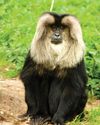
SYMBOL OF SILENT VALLEY
Lion-tailed macaque remains vulnerable despite past victories
2 mins
December 16, 2025
Down To Earth
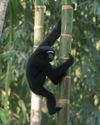
THE APE IN OUR STORIES
India's only non-human ape species is a cultural icon threatened by forest fragmentation
2 mins
December 16, 2025
Down To Earth
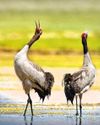
SENTINEL OF THE HIGH COLD DESERT
The bird's evocative call may not continue to roll across the cold desert valley for long
3 mins
December 16, 2025
Listen
Translate
Change font size