
मैगज़्टर गोल्ड के साथ असीमित हो जाओ
10,000 से अधिक पत्रिकाओं, समाचार पत्रों और प्रीमियम कहानियों तक असीमित पहुंच प्राप्त करें सिर्फ
कोशिश गोल्ड - मुक्त
The catalyst within
Down To Earth
|October 01, 2025
HORMONES NOT ONLY SHAPE ONE'S HEALTH, BUT HAVE LIKELY IMPACTED GLOBAL EVENTS
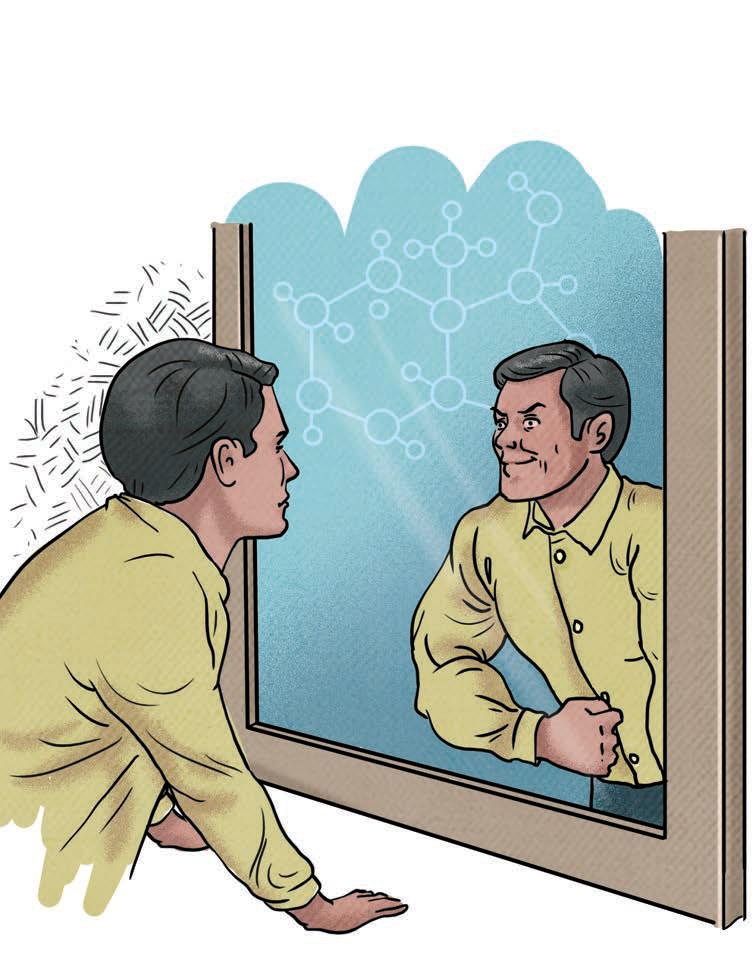
IF YOU are a history enthusiast, chances are that you would have heard of the Cuban missile crisis, the 1962 standoff between the US and the erstwhile Soviet Union that brought the world on the verge of a nuclear war. But what you might not be aware of is that hormones—chemicals that circulate in the bloodstream to carry messages or signals to different parts of the body—are likely to have precipitated the crisis.
The year was 1961. American President John F Kennedy, who had taken office just a few months ago, and Soviet prime minister Nikita Khrushchev met in Austria to discuss nuclear proliferation and the status of the German city of Berlin, which was controlled post World War II by the US and its allies (West Berlin) and the Soviet Union (East Berlin). Kennedy, who had Addison's disease—a chronic condition characterised by low production of the hormone cortisol—could not get his cortisol shot for a prolonged period since Khrushchev turned up late to the meeting. As Kennedy waited, he probably experienced fatigue, muscle weakness and low mood due to decreasing cortisol levels. Khurshchev, who did not know of Kennedy's ailment since the affliction had not been revealed to the public, took Kennedy to be weak and defensive, hypothesises author Max Nieuwdorp in The Power of Hormones. This is the reason for the Russian leader's misadventure of setting up missiles in Cuba, resulting in a naval blockade of the island nation by the US, writes Nieuwdorp.

यह कहानी Down To Earth के October 01, 2025 संस्करण से ली गई है।
हजारों चुनिंदा प्रीमियम कहानियों और 10,000 से अधिक पत्रिकाओं और समाचार पत्रों तक पहुंचने के लिए मैगज़्टर गोल्ड की सदस्यता लें।
क्या आप पहले से ही ग्राहक हैं? साइन इन करें
Down To Earth से और कहानियाँ

Down To Earth
Bitter pill
THE WEB SERIES PHARMA EXPOSES HARSH TRUTHS OF THE PHARMACEUTICAL INDUSTRY, WHERE PROFIT OFTEN BECOMES MORE IMPORTANT THAN HUMAN HEALTH

3 mins
January 16, 2026
Down To Earth
CHAOS IN-DEFINITION
The Aravallis are perhaps India's most litigated hill range. More than 4,000 court cases have failed to arrest their destruction. The latest dispute concerns a narrow legal definition of this geological antiquity, much of which has been obliterated by mining and urban sprawl. While the Supreme Court has stayed its own judgement accepting that definition, it must see the underlying reality and help reconcile development and national security with conservation.
19 mins
January 16, 2026
Down To Earth
BITS: INDIA
Indore has recorded 16 deaths and more than 1,600 hospitalisations between December 24 and January 6.
1 min
January 16, 2026
Down To Earth
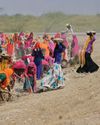
GUARANTEE EXPIRES
India's rural employment guarantee law is replaced with a centrally controlled, budget-capped scheme. Is this an attack on the right to work?
3 mins
January 16, 2026
Down To Earth
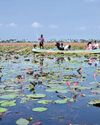
BLOOM OR BANE
Surge of vibrant pink water lilies in Kuttanad, Kerala, provides socio-economic benefits, but the plant's ecological impacts must be understood
4 mins
January 16, 2026
Down To Earth
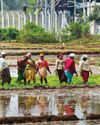
INVISIBLE EMPLOYER
Field and academic evidence shows sharp falls in casual agricultural employment at places where groundwater access declines
3 mins
January 16, 2026

Down To Earth
Schemed for erasure
Does the VB-G RAMG Act address structural weaknesses long observed in MGNREGA's implementation?
10 mins
January 16, 2026
Down To Earth
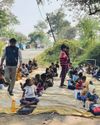
School of change
An open school in Panagar, Madhya Pradesh, aims to protect children of tribal settlements from falling into the trap of addiction
2 mins
January 16, 2026

Down To Earth
PULSE OF RESILIENCE
As a climate-ready crop, cowpea shows potential for widespread use in India
3 mins
January 16, 2026
Down To Earth
BITS GLOBAL
Britain recorded its hottest and sunniest year ever in 2025, the country's meteorological office said on January 2.
1 min
January 16, 2026
Listen
Translate
Change font size