
Magzter GOLDで無制限に
10,000以上の雑誌、新聞、プレミアム記事に無制限にアクセスできます。
AIin astrophotography: friend or foe?
BBC Sky at Night Magazine
|February 2025
It makes processing a breeze, but creates very convincing fakes too. Pete Lawrence looks at how AI is changing astro imaging
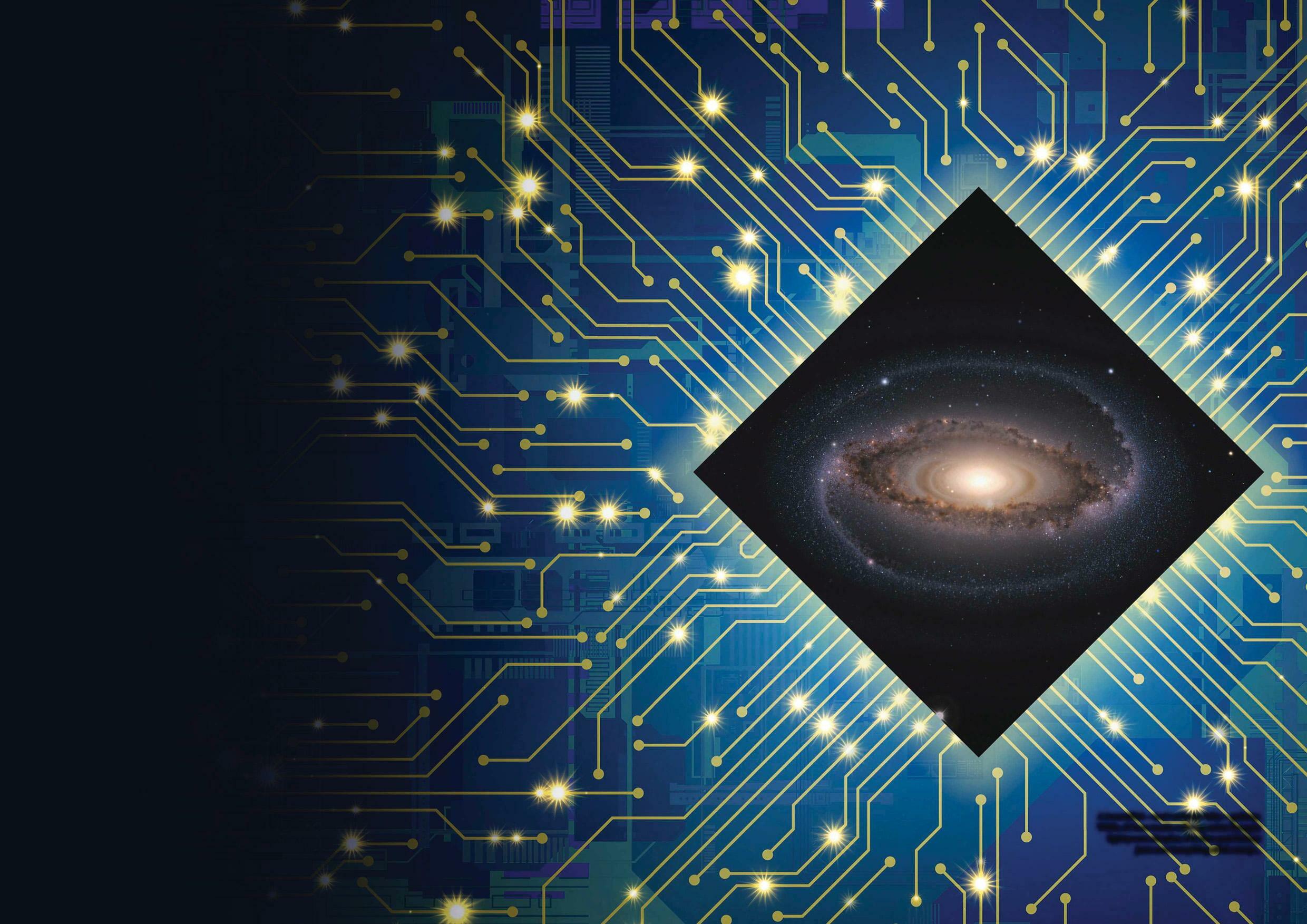
Artificial intelligence or AI is a term heard everywhere these days. Its application is exciting, confusing and very often misunderstood, so let's start by defining exactly what AI is and what it does.
AI is essentially a computer-based tool that has the ability to learn and apply results to data processing. Unlike a conventional computer program, AI can - when given the right guidance - make more considered choices, emulating how a human would approach a task.
But the 'intelligence' in AI doesn't mean that AI systems are self-aware or intelligent in the way we are. An AI system can't operate without direction and this is provided in the form of models or neural networks trained using a dataset relevant to the subject. These models are typically produced by processes known as machine learning or deep learning. The source information is often real-world data pre-categorised by humans, but it can also be virtual data generated by a computer applying known processes to a set of base information.
Terms such as 'artificial intelligence', 'machine learning' and 'deep learning' can sound provocative but are merely references to what are essentially computer tools and systems. What's important to understand is that Al's abilities depend on how well-trained its models are. Poor or inappropriate model data will simply give poor results; the phrase 'garbage in, garbage out' is highly fitting to Al. Despite what Hollywood implies, Al is currently still dependent on humans to feed it the correct information in order for it to work efficiently.
Let's now look at some examples of how Al is being applied in astrophotography. On the internet, the inducement of social media 'Likes' has inevitably led to a rise in fake astronomical images. Many early attempts were poor manually edited examples, but skill levels have now improved, making some fakes hard to call out unless you're a skilled expert.
When algorithms make art

このストーリーは、BBC Sky at Night Magazine の February 2025 版からのものです。
Magzter GOLD を購読すると、厳選された何千ものプレミアム記事や、10,000 以上の雑誌や新聞にアクセスできます。
すでに購読者ですか? サインイン
BBC Sky at Night Magazine からのその他のストーリー
BBC Sky at Night Magazine
MOONWATCH
January's top lunar feature to observe

2 mins
January 2026
BBC Sky at Night Magazine
Speed up your processing workflow
How to use Photoshop's Actions tool to drastically cut your processing time
3 mins
January 2026
BBC Sky at Night Magazine
Chasing Canada's polar lights
With solar maximum peaking and a new Moon promising dark skies, Jamie Carter travels to Churchill, Manitoba to hunt the Northern Lights - and dodge polar bears – in Canada's far north
7 mins
January 2026
BBC Sky at Night Magazine
Beyond Pluto: The search for the hidden planets
Could one – or even two - undiscovered planets lurk at the edges of our Solar System? Nicky Jenner explores how close we are to finding the elusive 'Planet 9'
6 mins
January 2026
BBC Sky at Night Magazine
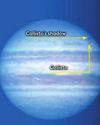
Jupiter moon events
Jupiter is a magnificent planet to observe.
2 mins
January 2026
BBC Sky at Night Magazine
What samples from space have taught us
Alastair Gunn explains what scientists have learnt in the 20 years since the first unmanned mission brought materials back from alien worlds
3 mins
January 2026
BBC Sky at Night Magazine
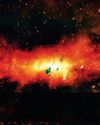
The Milky Way as you've never seen it before
This is the largest low-frequency radio colour image of our Galaxy ever assembled
1 min
January 2026
BBC Sky at Night Magazine
Merger of ‘impossibly' massive black holes explained
Scientists discover how enormous, fast-spinning black holes can exist after all
1 mins
January 2026
BBC Sky at Night Magazine
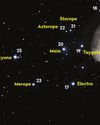
Lunar occultation of the Pleiades
BEST TIME TO SEE: 27 January from 20:30 UT
1 min
January 2026
BBC Sky at Night Magazine
The Universe's expansion may be slowing down
New study suggests current theories of dark energy could be wrong
1 mins
January 2026
Listen
Translate
Change font size