
Magzter GOLDで無制限に
10,000以上の雑誌、新聞、プレミアム記事に無制限にアクセスできます。
It Has Pockets!
The Atlantic
|August 2025
How Claire McCardell changed women's fashion
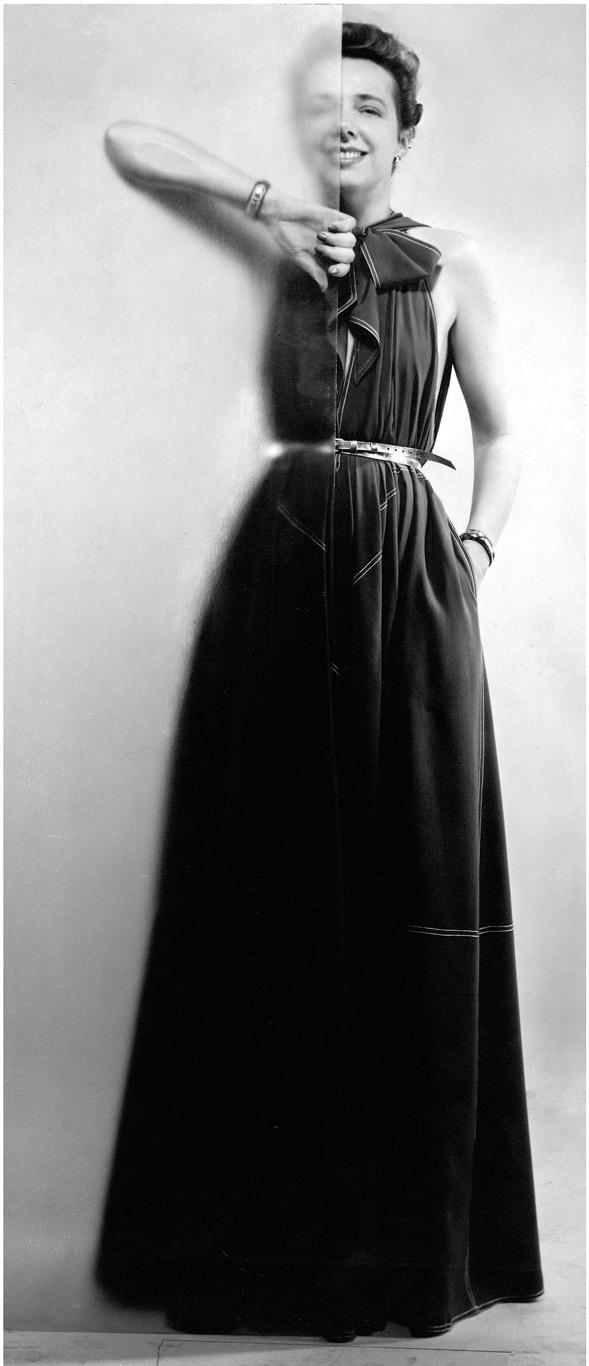
Claire McCardell hated being uncomfortable. This was true long before she became one of America's most famous fashion designers in the 1950s, her influence felt in every woman's wardrobe, her face on the cover of Time magazine.
As a young girl growing up in Maryland, she hated wearing a dress when climbing trees, and didn't understand why she couldn't wear pants with pockets like her brothers—she had nowhere to put the apples she picked. At summer camp, she loathed swimming in the cumbersome full-length stockings women were expected to wear, so she ditched hers and went barelegged in the lake, even though she knew she'd get in trouble. When she was just starting out as a fashion designer, in the 1930s, she went on a ski trip to New Hampshire and one evening saw a woman shivering in a thin satin dress. Why, McCardell wondered, couldn't an evening gown be made out of something warmer, so a woman could actually enjoy herself?
McCardell made a career out of asking such questions, and helped transform American fashion in the process, as Elizabeth Evitts Dickinson details in her lively and psychologically astute biography, Claire McCardell: The Designer Who Set Women Free. The young designer who came home from New Hampshire and devised a blue wool evening dress was often dismissed by her bosses for her “crazy” ideas—wool was for coats, not parties! She was told to keep copying the latest looks from Paris, as was customary in the American garment trade at the time. In those early years, McCardell didn’t have the clout to design apparel her way. But she had a core conviction, and she never abandoned it: Women deserve to be comfortable—in their clothes, and in the world.


このストーリーは、The Atlantic の August 2025 版からのものです。
Magzter GOLD を購読すると、厳選された何千ものプレミアム記事や、10,000 以上の雑誌や新聞にアクセスできます。
すでに購読者ですか? サインイン
The Atlantic からのその他のストーリー
The Atlantic
You Had to Be There
An emerging field of history asks if we can ever really understand how our forebears experienced love, anger, fear, and sorrow.

23 mins
January 2026

The Atlantic
By the Horns
The week before the biggest bullfight of her career, in Cádiz, Spain, this past July, 24-year-old Miriam Cabas posted a carefully produced video on Instagram.
1 mins
January 2026

The Atlantic
The New German War Machine
After World War II, Germany embraced pacifism as a form of atonement. Now the country is arming itself again.
18 mins
January 2026
The Atlantic
The Eloquence
The prime minister was watching a disaster movie when we found him.
4 mins
January 2026

The Atlantic
What's for Dinner, Mom?
The women who want to change the way America eats
12 mins
January 2026

The Atlantic
How Terror Works
A 1947 German novel explores the sometimes corrosive, sometimes energizing nature of fear.
8 mins
January 2026

The Atlantic
Yesterday's Idea of a Modern Man
Sam Shepard, a self-made cowboy, was also a poet of masculine angst.
7 mins
January 2026

The Atlantic
ACCOMMODATION NATION
America's colleges have an extra-time-on-tests problem.
11 mins
January 2026

The Atlantic
Respect the Drummer
A new history of rock, told through its overlooked heroes
5 mins
January 2026

The Atlantic
THE MOST POWERFUL MAN IN SCIENCE
WHY IS ROBERT F. KENNEDY JR. SO CONVINCED HE'S RIGHT?
42 mins
January 2026
Listen
Translate
Change font size