試す 金 - 無料
How Terror Works
The Atlantic
|January 2026
A 1947 German novel explores the sometimes corrosive, sometimes energizing nature of fear.
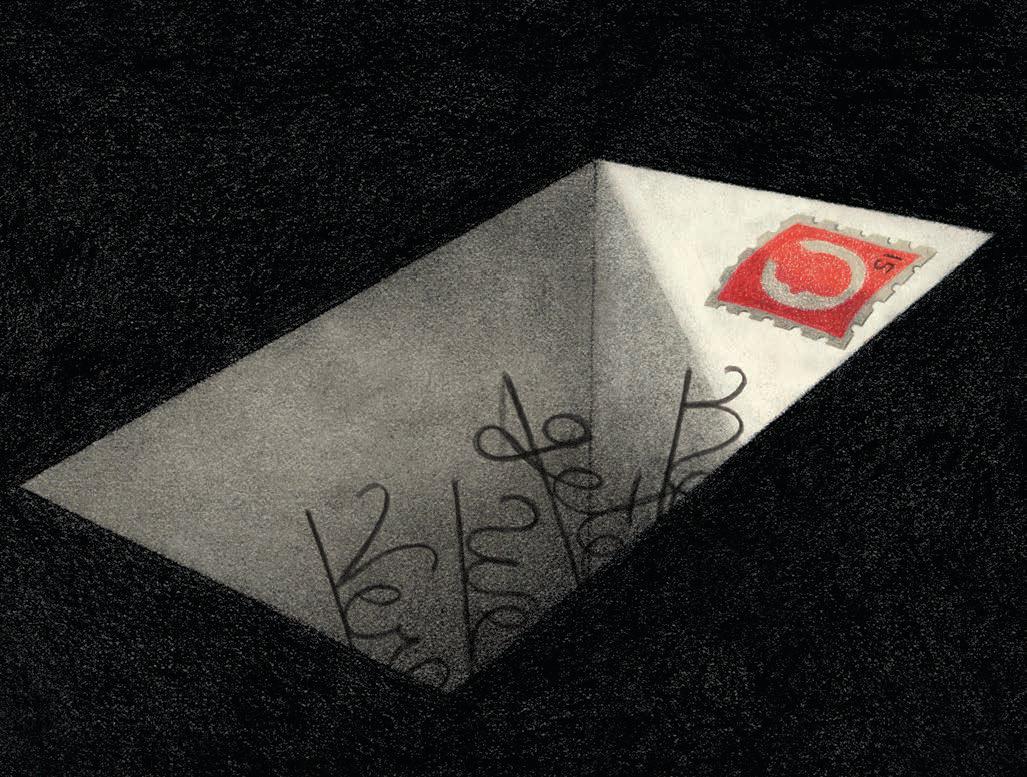
In 24 days during the fall of 1946, a German novelist known as Hans Fallada produced a rare, and now especially timely, literary touchstone: a humane depiction of muted resistance. Every Man Dies Alone was based on a Gestapo file detailing the case of a Berlin couple who had run an illicit two-year postcard-writing campaign aimed at rebutting Hitler's propaganda. The novel was published in 1947-part of a postwar effort to start de-Nazifying German literature.
Mere weeks before his book came out, Rudolf Ditzen (Fallada was a pen name) died at 53, weakened after a long struggle with alcoholism and morphine addiction. He'd faced criminal trouble too (he had shot and killed a friend in a botched suicide pact in adolescence, been twice convicted of embezzlement, and in 1944 been detained in a psychiatric hospital after pulling a gun on his wife). His literary credentials were also vexed.
After winning recognition as a promising novelist in the early 1930s, Fallada was labeled an "undesirable author" by the newly installed Nazi regime. Later, in a letter to a friend, he confessed to complicity with the government, admitting that, under threat from Hitler's chief propagandist, Joseph Goebbels, he'd altered a novel to have a character join the Nazi Party. Unsurprisingly, Fallada was preoccupied with gray areas in his final book.
His version of the couple in the Gestapo file, whom he names Otto and Anna Quangel, draft a vivid postcard after their only son dies in combat: "Mother! The Führer has murdered my son. Mother, the Führer will murder your sons too, he will not stop till he has brought sorrow to every home in the world" is the message they leave in the stairwell of an office building across town, hoping the card will be picked up and shared. Soon, they're writing and delivering a fresh card or two every week to other addresses in Berlin.

このストーリーは、The Atlantic の January 2026 版からのものです。
Magzter GOLD を購読すると、厳選された何千ものプレミアム記事や、10,000 以上の雑誌や新聞にアクセスできます。
すでに購読者ですか? サインイン
The Atlantic からのその他のストーリー
The Atlantic
You Had to Be There
An emerging field of history asks if we can ever really understand how our forebears experienced love, anger, fear, and sorrow.

23 mins
January 2026

The Atlantic
By the Horns
The week before the biggest bullfight of her career, in Cádiz, Spain, this past July, 24-year-old Miriam Cabas posted a carefully produced video on Instagram.
1 mins
January 2026

The Atlantic
The New German War Machine
After World War II, Germany embraced pacifism as a form of atonement. Now the country is arming itself again.
18 mins
January 2026
The Atlantic
The Eloquence
The prime minister was watching a disaster movie when we found him.
4 mins
January 2026

The Atlantic
What's for Dinner, Mom?
The women who want to change the way America eats
12 mins
January 2026

The Atlantic
How Terror Works
A 1947 German novel explores the sometimes corrosive, sometimes energizing nature of fear.
8 mins
January 2026

The Atlantic
Yesterday's Idea of a Modern Man
Sam Shepard, a self-made cowboy, was also a poet of masculine angst.
7 mins
January 2026

The Atlantic
ACCOMMODATION NATION
America's colleges have an extra-time-on-tests problem.
11 mins
January 2026

The Atlantic
Respect the Drummer
A new history of rock, told through its overlooked heroes
5 mins
January 2026

The Atlantic
THE MOST POWERFUL MAN IN SCIENCE
WHY IS ROBERT F. KENNEDY JR. SO CONVINCED HE'S RIGHT?
42 mins
January 2026
Listen
Translate
Change font size