
Magzter GOLD ile Sınırsız Olun
Sadece 9.000'den fazla dergi, gazete ve Premium hikayeye sınırsız erişim elde edin
Denemek ALTIN - Özgür
How Terror Works
The Atlantic
|January 2026
A 1947 German novel explores the sometimes corrosive, sometimes energizing nature of fear.
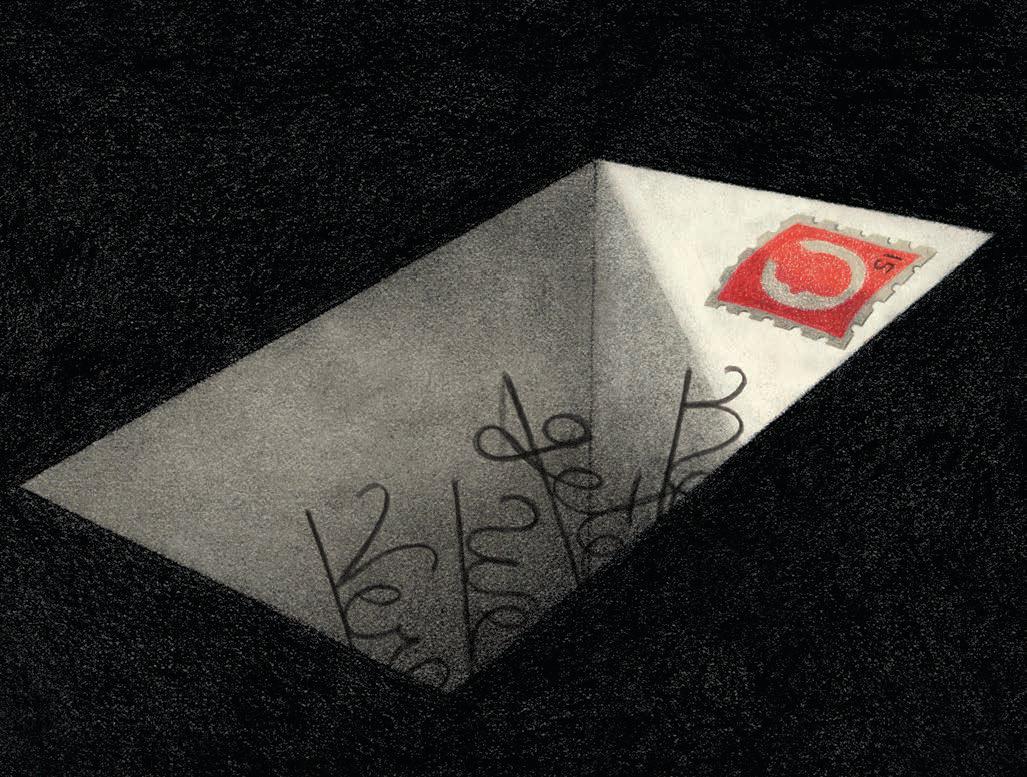
In 24 days during the fall of 1946, a German novelist known as Hans Fallada produced a rare, and now especially timely, literary touchstone: a humane depiction of muted resistance. Every Man Dies Alone was based on a Gestapo file detailing the case of a Berlin couple who had run an illicit two-year postcard-writing campaign aimed at rebutting Hitler's propaganda. The novel was published in 1947-part of a postwar effort to start de-Nazifying German literature.
Mere weeks before his book came out, Rudolf Ditzen (Fallada was a pen name) died at 53, weakened after a long struggle with alcoholism and morphine addiction. He'd faced criminal trouble too (he had shot and killed a friend in a botched suicide pact in adolescence, been twice convicted of embezzlement, and in 1944 been detained in a psychiatric hospital after pulling a gun on his wife). His literary credentials were also vexed.
After winning recognition as a promising novelist in the early 1930s, Fallada was labeled an "undesirable author" by the newly installed Nazi regime. Later, in a letter to a friend, he confessed to complicity with the government, admitting that, under threat from Hitler's chief propagandist, Joseph Goebbels, he'd altered a novel to have a character join the Nazi Party. Unsurprisingly, Fallada was preoccupied with gray areas in his final book.
His version of the couple in the Gestapo file, whom he names Otto and Anna Quangel, draft a vivid postcard after their only son dies in combat: "Mother! The Führer has murdered my son. Mother, the Führer will murder your sons too, he will not stop till he has brought sorrow to every home in the world" is the message they leave in the stairwell of an office building across town, hoping the card will be picked up and shared. Soon, they're writing and delivering a fresh card or two every week to other addresses in Berlin.

Bu hikaye The Atlantic dergisinin January 2026 baskısından alınmıştır.
Binlerce özenle seçilmiş premium hikayeye ve 9.000'den fazla dergi ve gazeteye erişmek için Magzter GOLD'a abone olun.
Zaten abone misiniz? Oturum aç
The Atlantic'den DAHA FAZLA HİKAYE
The Atlantic
The Eighth Deadly Sin
Humankind has devised a new form of debasement.

5 mins
May 2026

The Atlantic
The Art of the (New) Deal
What the murals of the Wilbur J. Cohen Federal Building can teach us about patriotism, propaganda, and beauty
12 mins
May 2026

The Atlantic
New Chairs
Collaboration, for Robert Rauschenberg and Merce Cunningham, began with the arrangement of chairs.
1 mins
May 2026

The Atlantic
HISTORY IS RUNNING BACKWARDS
Why reactionaries are taking over the world
21 mins
May 2026

The Atlantic
SOMEDAY IN TEHRAN
Like Donald Trump, I, too, once underestimated the Islamic Republic of Iran.
16 mins
May 2026

The Atlantic
On Losing a Daughter
The people we were died at the exact moment our child did.
19 mins
May 2026

The Atlantic
I Found It: The Best Free Restaurant Bread in America
Thirteen thousand miles. Infinite contenders. One beautiful loaf.
15 mins
May 2026

The Atlantic
EVERYTHING IS FREE AND NOTHING MATTERS
What I saw at Jeff Bezos's Campfire retreat
9 mins
May 2026

The Atlantic
Who Is Black Comedy For?
A new book is nostalgic for the '90s. But the era of crossover success was not necessarily the pinnacle of Black comedic achievement.
8 mins
May 2026

The Atlantic
The Feeling of Becoming Less and Less of a Person
In Ben Lerner's new novel, technology divides us further from one another, and ourselves.
9 mins
May 2026
Listen
Translate
Change font size