
Magzter GOLDで無制限に
10,000以上の雑誌、新聞、プレミアム記事に無制限にアクセスできます。
“Nature is not a luxury; it is a necessity and a basic human right”
BBC Wildlife
|October 2022
Learning disabilities should not be a barrier to the wild

Nine years ago, i reignited my childhood passion for nature. I started spending lots of time at local nature reserves in my home county of Shropshire, polishing my identification skills, taking photographs and meeting other wildlife enthusiasts. However, I always felt I was missing out when specialist activities, such as mammal workshops, were hosted at reserves that were futher afield, as I couldn’t get there. I have mild cerebral palsy, dyspraxia and epilepsy, so I don’t drive. It got me thinking about how people with disabilities – whether physical or learning – just don’t have the same access to the countryside.
I started a campaign called All for Nature & Nature for All, and I’ve spent the past five years speaking out about the issue and working with local charities on how to improve access both to green spaces and to conservation. I have had many interesting discussions about accessibility, but there has always been a common thread. The conversation will start by considering access for those with physical disabilities; learning disabilities are rarely mentioned.
In 2011, research by Defra and the Environment Agency showed that people with learning disabilities are in the minority of visitors to the countryside. In 2016, Mencap revealed that one in three adults between the ages of 18-35 with a learning disability spends less than one hour a day outside.
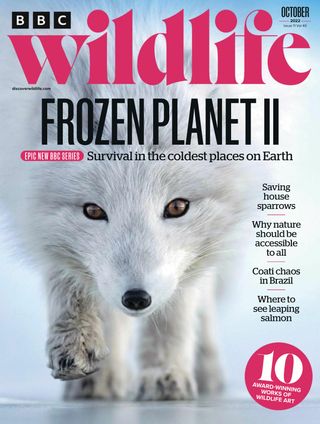

このストーリーは、BBC Wildlife の October 2022 版からのものです。
Magzter GOLD を購読すると、厳選された何千ものプレミアム記事や、10,000 以上の雑誌や新聞にアクセスできます。
すでに購読者ですか? サインイン
BBC Wildlife からのその他のストーリー
BBC Wildlife
"I was terrified the elephant would ram us"
African elephant in Kenya

2 mins
January 2026
BBC Wildlife
ALL YOU EVER NEEDED TO KNOW ABOUT THE Fennec fox
THE FENNEC FOX IS THE SMALLEST fox in the world, with a body length that can be as little as 24cm.
3 mins
January 2026
BBC Wildlife
INTO THE PLASTISPHERE
A unique synthetic ecosystem is evolving in our oceans – welcome to the plastisphere
7 mins
January 2026
BBC Wildlife
“More than half of all animal life exists in a parasitic relationship, and all life lives in symbiosis”
Our survival depends on species evolving to live together - but some relationships take dark turns
7 mins
January 2026
BBC Wildlife
Are animals able to dream?
SLEEP IS A MYSTERIOUS THING. FOR A long time, we weren't sure why we do it.
1 mins
January 2026
BBC Wildlife
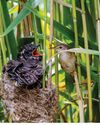
Does a cuckoo know it's a cuckoo?
ABSURD LITTLE BIRDS ACROSS THE world lay their eggs in the nests of other species, leaving the hapless parents to raise a changeling at the expense of their own offspring.
2 mins
January 2026
BBC Wildlife
Orcas killing young sharks
Juvenile great whites are easy prey for orca pod
1 mins
January 2026
BBC Wildlife
Ocean goes on tour
Acclaimed film touring the UK, backed by live orchestra and choir
1 min
January 2026
BBC Wildlife
Feisty bats hunt like lions
Winged mammals use a 'hang and wait' strategy to take down large prey
1 mins
January 2026
BBC Wildlife
SNAP-CHAT
Richard Birchett on magical merlins, wily coyotes and charging deer
2 mins
January 2026
Translate
Change font size