
Magzter GOLDで無制限に
10,000以上の雑誌、新聞、プレミアム記事に無制限にアクセスできます。
試す 金 - 無料
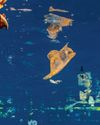
INTO THE PLASTISPHERE
BBC Wildlife
|January 2026
A unique synthetic ecosystem is evolving in our oceans – welcome to the plastisphere
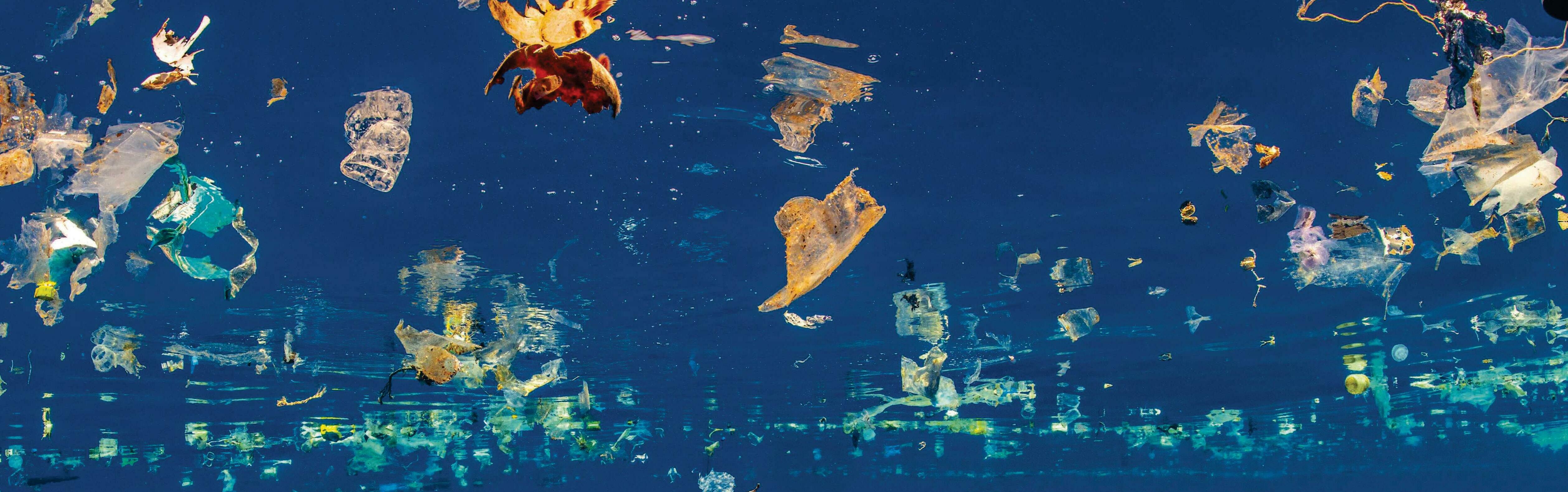
CONSIDER A PLASTIC BOTTLE BOBBING on the ocean's surface, thousands of miles from the nearest coastline. To the naked eye, it appears lifeless – just another piece of discarded waste adrift on an endless sea.
But, peer closer, and this fragment of human negligence reveals itself as a thriving metropolis. Bacteria cluster in dense colonies across its weathered surface. Algae paint it green with photosynthetic films. Tiny invertebrates graze on the microbial lawns, while goose barnacles cement themselves to its edges.
Welcome to the plastisphere, an entirely new ecosystem born from our refuse.
The term, coined by marine microbiologist Linda Amaral-Zettler more than a decade ago, describes the unique communities of life that colonise plastic debris in our oceans. It’s a concept that challenges our understanding of both pollution and resilience, revealing how life doesn't simply suffer from our environmental mistakes but adapts to them in ways we're only beginning to comprehend.
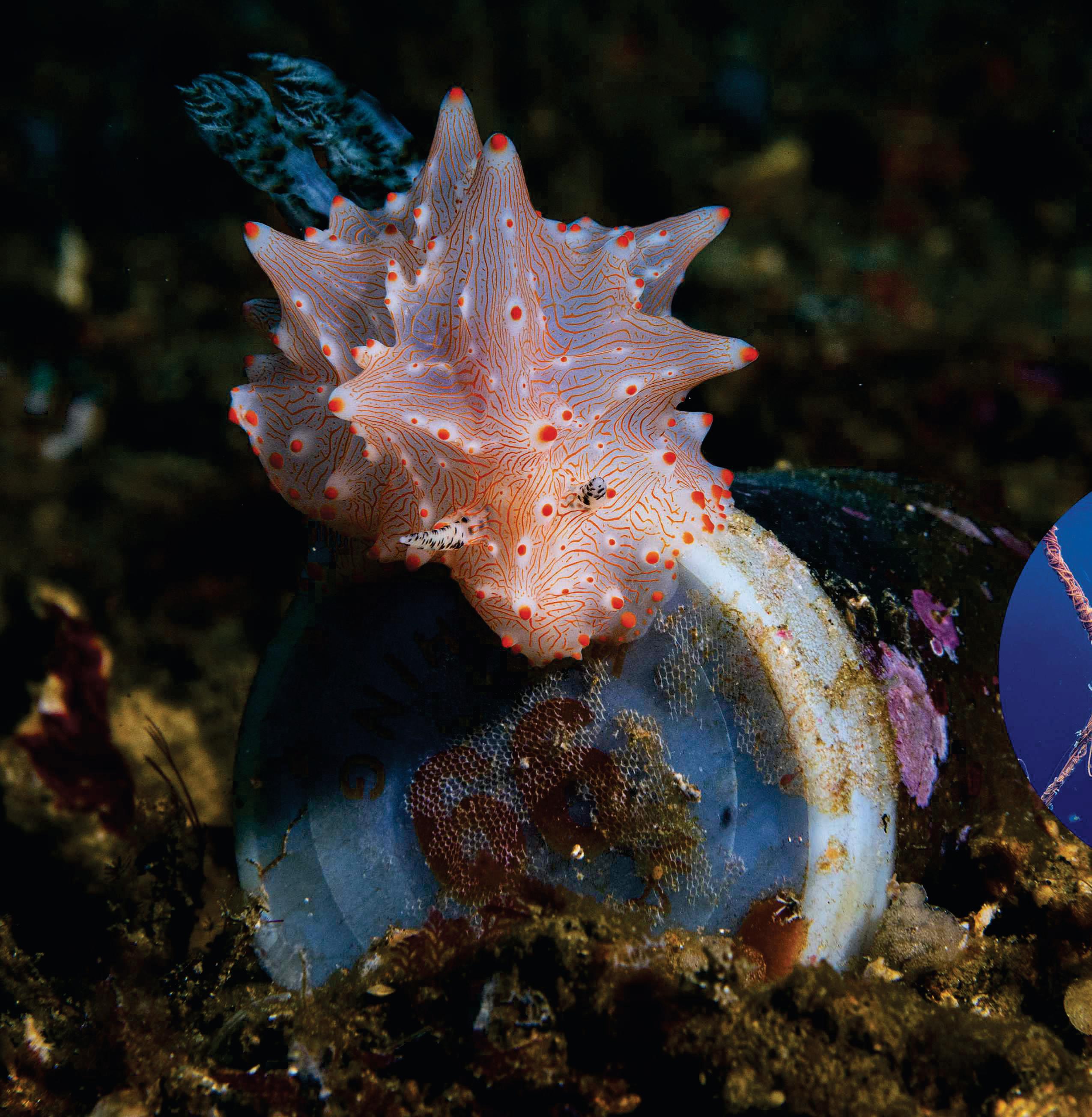 “What has surprised us most is the diversity of species present on such small fragments of plastic,” says Amaral-Zettler, who has been studying these communities at the Netherlands Institute for Sea Research since their discovery.
Each colonised piece of plastic, she found, hosted its own distinct microbial neighbourhood, even when collected from the same location. Life wasn't just surviving our waste - it was making it home.
To understand how plastic becomes an ecosystem, we must appreciate what makes it different from anything nature has produced. When a piece of driftwood enters the ocean, for example, marine organisms may colonise its surface. But, within months, that wood will decompose, causing its passengers to perish. Plastic is a very different proposition.

このストーリーは、BBC Wildlife の January 2026 版からのものです。
Magzter GOLD を購読すると、厳選された何千ものプレミアム記事や、10,000 以上の雑誌や新聞にアクセスできます。
すでに購読者ですか? サインイン
BBC Wildlife からのその他のストーリー
BBC Wildlife
"I was terrified the elephant would ram us"
African elephant in Kenya

2 mins
January 2026
BBC Wildlife
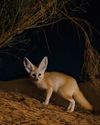
ALL YOU EVER NEEDED TO KNOW ABOUT THE Fennec fox
THE FENNEC FOX IS THE SMALLEST fox in the world, with a body length that can be as little as 24cm.
3 mins
January 2026
BBC Wildlife
INTO THE PLASTISPHERE
A unique synthetic ecosystem is evolving in our oceans – welcome to the plastisphere
7 mins
January 2026
BBC Wildlife
“More than half of all animal life exists in a parasitic relationship, and all life lives in symbiosis”
Our survival depends on species evolving to live together - but some relationships take dark turns
7 mins
January 2026
BBC Wildlife
Are animals able to dream?
SLEEP IS A MYSTERIOUS THING. FOR A long time, we weren't sure why we do it.
1 mins
January 2026
BBC Wildlife
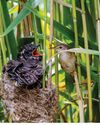
Does a cuckoo know it's a cuckoo?
ABSURD LITTLE BIRDS ACROSS THE world lay their eggs in the nests of other species, leaving the hapless parents to raise a changeling at the expense of their own offspring.
2 mins
January 2026
BBC Wildlife
Orcas killing young sharks
Juvenile great whites are easy prey for orca pod
1 mins
January 2026
BBC Wildlife
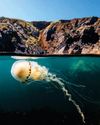
Ocean goes on tour
Acclaimed film touring the UK, backed by live orchestra and choir
1 min
January 2026
BBC Wildlife
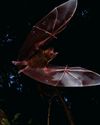
Feisty bats hunt like lions
Winged mammals use a 'hang and wait' strategy to take down large prey
1 mins
January 2026
BBC Wildlife
SNAP-CHAT
Richard Birchett on magical merlins, wily coyotes and charging deer
2 mins
January 2026
Listen
Translate
Change font size