
मैगज़्टर गोल्ड के साथ असीमित हो जाओ
10,000 से अधिक पत्रिकाओं, समाचार पत्रों और प्रीमियम कहानियों तक असीमित पहुंच प्राप्त करें सिर्फ
कोशिश गोल्ड - मुक्त
Baby you can drive my car(tridge)
Stereophile
|December 2025
While I was coming to grips with this month's review subject, the idler drive Garrard 301 Advanced, I began to think about the various methods that have been used to spin turntable platters over the years. Since the transition a century ago from windup clockwork to electric motors, there have basically been three ways to spin a turntable platter: idler drive, belt drive, and direct drive. True, there have also been a few designs that go their own unique ways, such as the rare, water-driven Oasis made by David Gillespie of Saturn Audio in the late 1970s and the gear-driven H.H. Scott 710 I once owned and foolishly sold. But almost everything made since the 1950s uses one of the three main drive systems. Even the Omega Drive system, which was used by Wilson Benesch on their extraordinary GMT One turntable, is at its core a direct drive design.
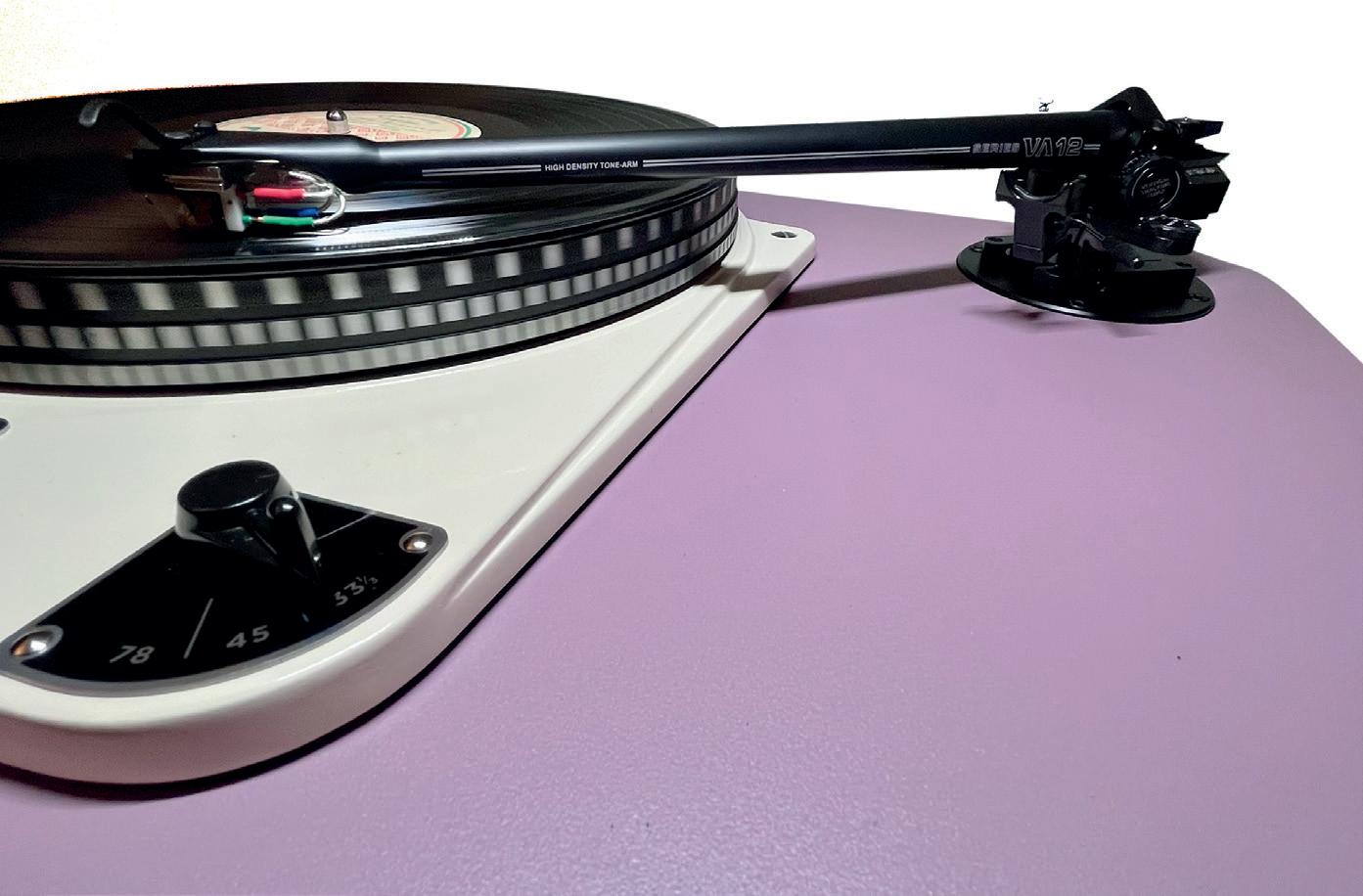
For a long time, I had the mistaken belief that pretty much every turntable made before the mid-1950s used an idler wheel to drive the platter. While that's mostly true, some professional turntables well before that time could be accurately described as direct drive, coming more than 30 years before the Technics SP-10 was introduced in 1970. These professional transcription turntables were used mostly by radio stations and other professionals and came in a waist-high metal cabinet that probably weighed more than the radio-station engineer who operated it. One of the most popular of these was the RCA 70-D transcription turntable. Its massive 16" platter was connected by a long metal rod to a grapefruit-sized motor at the bottom of the cabinet. Motor noise and rumble breakthrough could be an issue, but because they were playing mono records, the cartridges had little sensitivity to the mostly vertical vibrations.
When stereo records arrived, in 1958, those vertical vibrations became a big problem, because the new stereo cartridges measured both vertical and lateral movement to create a stereo signal. Belt-drive turntables isolated the motor from the platter, so they quickly became the standard.
While the first belt-drive turntable was one of those big transcription jobs with a 16" platter—it was called the Components Corporation Model 70, introduced in 1954—it was the 1961 Acoustic Research AR that set the path for consumers. The budget-priced AR with its belt drive and three-point spring suspension became a legend, and even 20 years later, when I was in college, I knew several students who had brought their parents' old AR with them for their dorm systems.
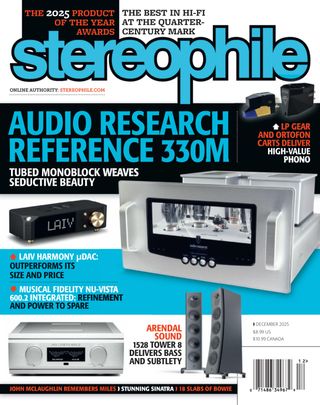

यह कहानी Stereophile के December 2025 संस्करण से ली गई है।
हजारों चुनिंदा प्रीमियम कहानियों और 10,000 से अधिक पत्रिकाओं और समाचार पत्रों तक पहुंचने के लिए मैगज़्टर गोल्ड की सदस्यता लें।
क्या आप पहले से ही ग्राहक हैं? साइन इन करें
Stereophile से और कहानियाँ
Stereophile
Aurender N50
I was born and raised in Argentina. Ever since I was a kid, I’ve been fascinated by machines. My mother used to call me “Botones” (Spanish for “Buttons”) because I pressed every button and turned every knob I encountered.

13 mins
May 2026
Stereophile
UNISON RESEARCH UNVEILS NEW HYBRID PRE- AND POWER AMPLIFIERS
Treviso, Italy-based Unison Research has launched the Unico PRE V2 preamplifier/DAC and Unico DM V2 dual-mono power amplifier.
3 mins
May 2026
Stereophile
Nordost QNet7
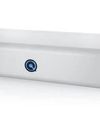
In the opinion of this hi-fi reviewer, the debate over the efficacy of audio-quality network switches should be over. As logic would dictate, when connections are made via a network switch, the quality of its inputs, outputs, oscillators (clocks), power supplies, and pathways affects the sound of everything downstream. It’s clearly audible.
6 mins
May 2026
Stereophile
Marten Mingus Septet Statement Edition
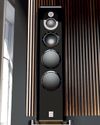
As I prepared this review of the Marten Mingus Septet Statement Edition loudspeaker ($199,000/pair), I asked the Marten people to tell me something about the company and its values.
12 mins
May 2026
Stereophile
FOCAL AND NAIM ACQUIRED BY DIGITAL PROJECTION LEADER BARCO
Barco, which is based in Kortrijk, Belgium, has reached an agreement to acquire VerVent Audio Holding, the parent company of Focal and Naim.
1 mins
May 2026

Stereophile
MOON by Simaudio 371
The origins of Canadian audio manufacturer MOON, from the company called Simaudio, stretch back to 1980, when audio engineer Victor Sima created his first designs.
13 mins
May 2026

Stereophile
The show must go on
All “serious” music fans know pop music is kid’s stuff: too simple, too accessible, the embodiment of that cringeworthy moniker “disposable.”
4 mins
May 2026
Stereophile
Bowers & Wilkins Px8 S2 BLUETOOTH/WIRED ACTIVE HEADPHONES
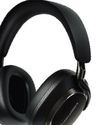
The first headphones I owned, circa mid-1970s, were made by Pioneer.
9 mins
May 2026
Stereophile
STELLAVOX FOUNDER GEORGES QUELLET DIES
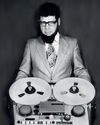
Georges Quellet, developer of the Stellavox tape recorders, died on February 26 at age 96.
2 mins
May 2026
Stereophile
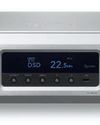
ESOTERIC UPDATES ITS STREAMING PREAMP AND CLASS-A POWER AMP
While total music-business revenues grew 3.5% to $11.5 billion last year, vinyl surged ahead 9.3% to a cool $1 billion, according to the Recording Industry Association of America (RIAA). The last time vinyl sales topped $1 billion was 1983, according to historical RIAA data.²
1 mins
May 2026
Listen
Translate
Change font size