कोशिश गोल्ड - मुक्त
TOXIC
The New Yorker
|June 16, 2025
What the pop culture of the two-thousands did to millennial women.
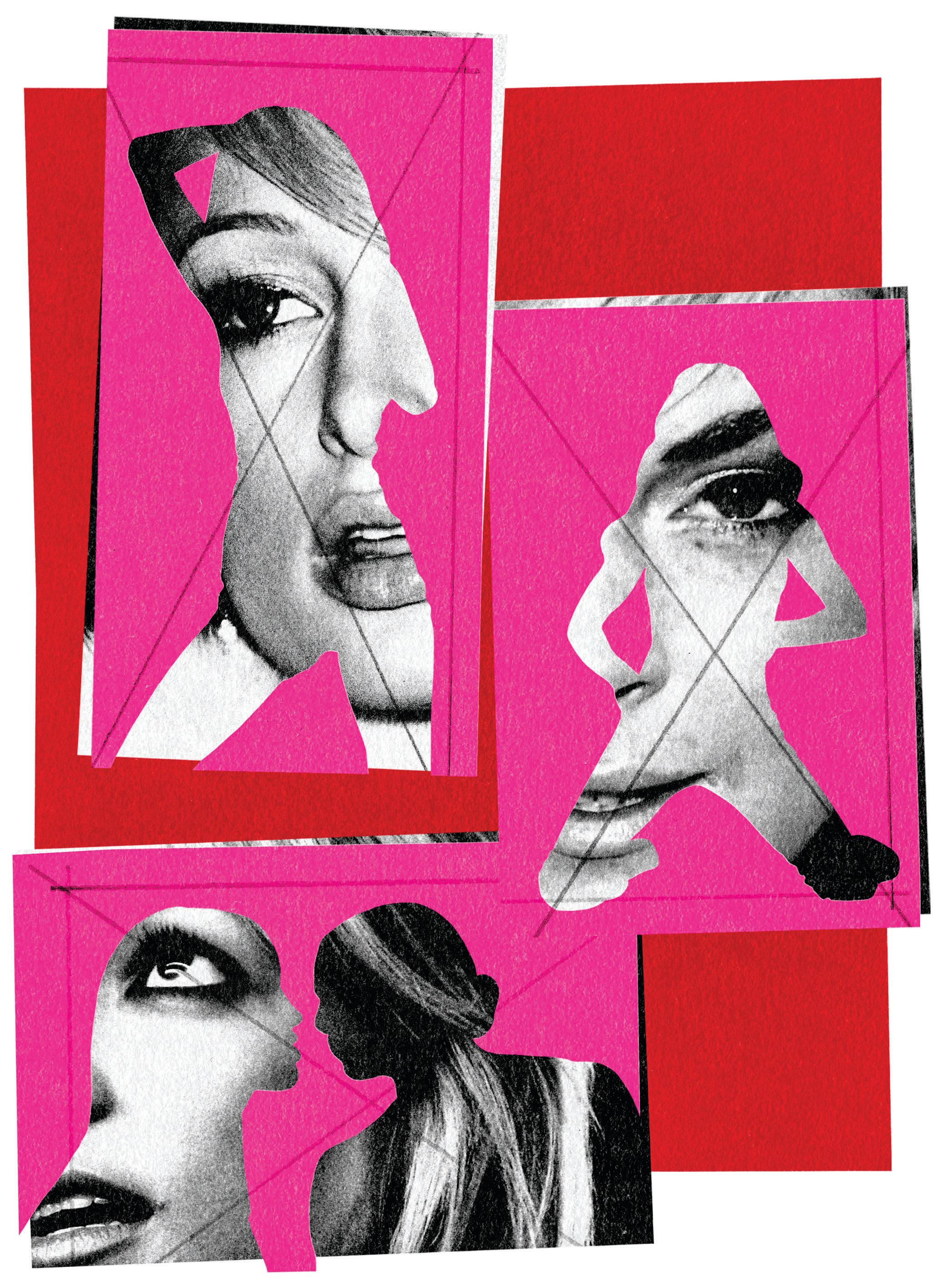
In 1969, Vivian Gornick was assigned by the Village Voice to write about the “women’s libbers” gathering in downtown Manhattan. Gornick set out never having heard of women's liberation. She returned one week later a convert. What happened in the interval was the dawning of what second-wave feminists called feminist consciousness: the growing conviction that how things were for women were not how they had to be. Often, this insight arose in conversation with other women, in consciousness-raising groups. Comparing notes on the parts of their lives once thought too personal to merit political analysis—love, sex, housework, marriage, motherhood—they found their “symptoms of private unhappiness,” in Gornick’s words, “so powerfully and so consistently duplicated among women that perhaps these symptoms could be ascribed to cultural causes as to psychological ones.” Reflecting on one’s life in a consciousness-raising session, Gornick wrote, was “rather like shaking a kaleidoscope and watching all the same pieces rearrange themselves into an altogether other picture.”
Making sense of this new picture involved a kind of reappraisal. What voices, loud or soft, had convinced women of their own inferiority for so long? What myths, scripts, and stories had predisposed them to accept the limitations placed on them from within and without? What alternate ways of living could be gleaned from the past? “Contemporary feminism is bound up with a profound rereading of the culture,” Gornick wrote years later. “We read the novels we grew up on as though for the first time, we sit up late watching the movies of our childhood, we turn again to familiar memoirs and biographies of distinguished men and women.” Adrienne Rich, in 1972, wrote that “re-vision,” the task of “entering an old text from a new critical direction,” was “an act of survival” for women: “Until we can understand the assumptions in which we are drenched we cannot know ourselves.”

यह कहानी The New Yorker के June 16, 2025 संस्करण से ली गई है।
हजारों चुनिंदा प्रीमियम कहानियों और 10,000 से अधिक पत्रिकाओं और समाचार पत्रों तक पहुंचने के लिए मैगज़्टर गोल्ड की सदस्यता लें।
क्या आप पहले से ही ग्राहक हैं? साइन इन करें
The New Yorker से और कहानियाँ
The New Yorker
CONTRIBUTORS
Eliza Griswold (\"Young Americans,\" p. 12) is a contributing writer.

1 mins
June 29, 2026

The New Yorker
THE READERS
Early in my treatment, we decided that you wouldn't read my work.
24 mins
June 29, 2026

The New Yorker
URBAN LEGEND
Closing out a crime trilogy about a changing New York, Colson Whitehead excavates his own foundations.
33 mins
June 29, 2026
The New Yorker
ABOUT TOWN
POST-ROCK | Last year, the Chicago instrumental post-rock band Tortoise returned with \"Touch,\" its first album in nearly a decade, the further explorations of an inquisitive nature.
3 mins
June 29, 2026
The New Yorker
GOINGS ON JUNE 24-30, 2026
What we're watching, listening to, and doing this week.
1 min
June 29, 2026
The New Yorker
LONGING FOR ITHACA
There’s a reason Homer’s homecoming epic has long defeated the directors.
16 mins
June 29, 2026

The New Yorker
HOT PURSUIT
The repo man coming for your ride.
35 mins
June 29, 2026
The New Yorker
WILD THINGS
Why do animals have sex, anyway?
14 mins
June 29, 2026
The New Yorker
PRICKLY PAIRS - “The Invite.”
“The Invite” begins with an aphorism: “One should always be in love.
6 mins
June 29, 2026
The New Yorker
BRAVE NEW WORLD DEPT.INSTANCING
Wednesday evenings at Hex&Co., board-game café and bar in Morningside Heights, are dedicated to \"RPG Encounters,\" in which fans of role-playing games gather to create collaborative stories over espresso drinks.
3 mins
June 29, 2026
Listen
Translate
Change font size