Essayer OR - Gratuit
STEPPE CHANGE
BBC Wildlife
|January 2025
Herds of saiga have returned to Kazakhstan, but there's a fine balance to tread
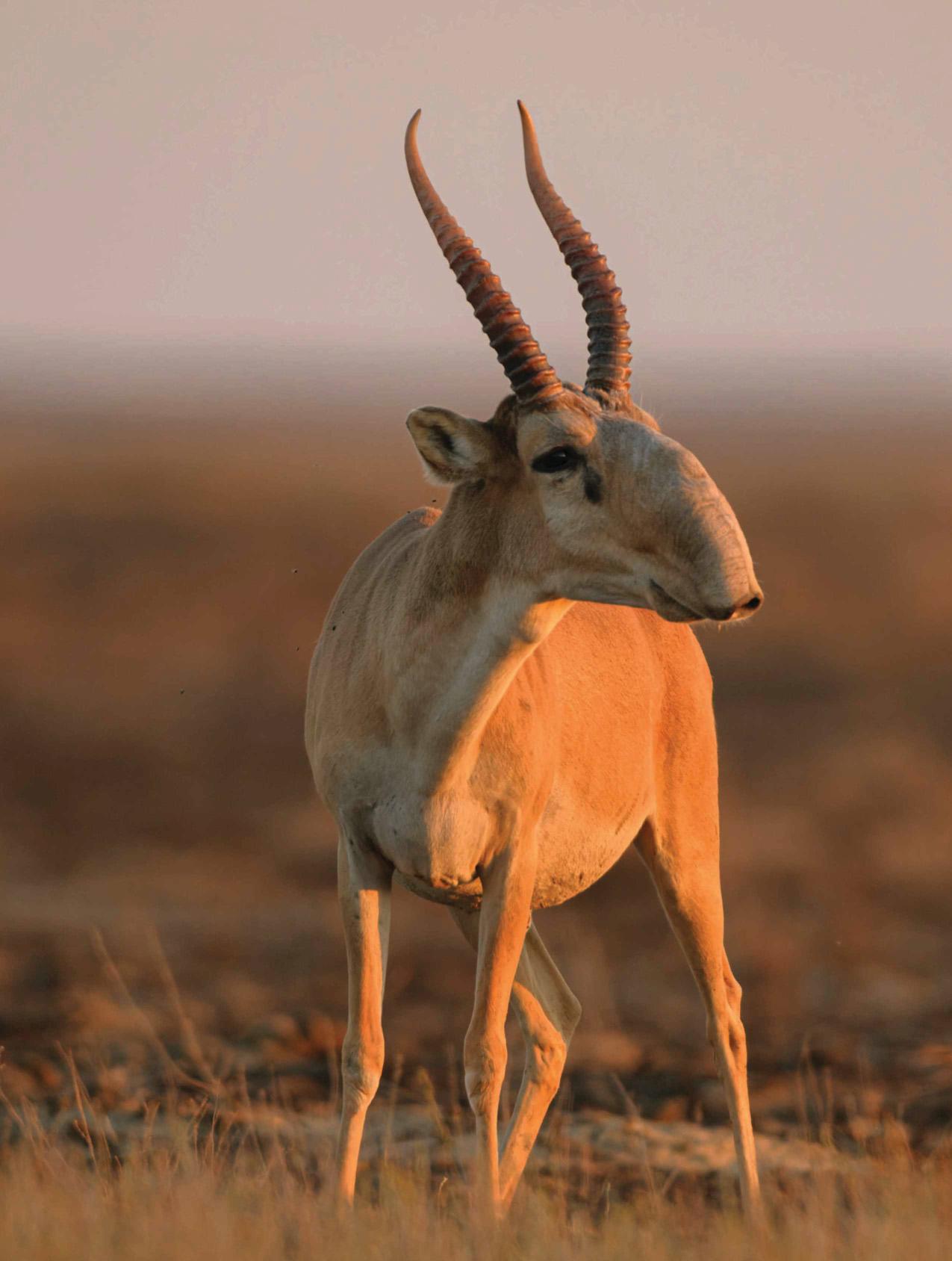
WE'RE FOLLOWING AN old Soviet-era map across the Kazakh Steppe when the first saiga break cover. Heads down, they charge through the knee-high grass reaching speeds of up to 120kph, a hard-wired legacy from the days when Asiatic cheetahs were the top predators on these central Asian grasslands.
Following decades of conservation work, this strange-looking antelope, which wouldn't be out of place on the set of Star Wars, is back, with more than 2.8 million individuals now roaming the landscape. But 20 years ago, the picture was quite different.
A relic from the last ice age, the saiga once rubbed shoulders with the mammoth and woolly rhinoceros. It is incredibly tough, able to survive the worst extremes the steppe can muster. In winter, when temperatures plummet to -45°C, it grows a thick shaggy coat, while its bulbous nose warms the cold air it breathes. In summer, when the mercury can hit 45°C, its nose helps to filter dust, as well as cooling the blood.
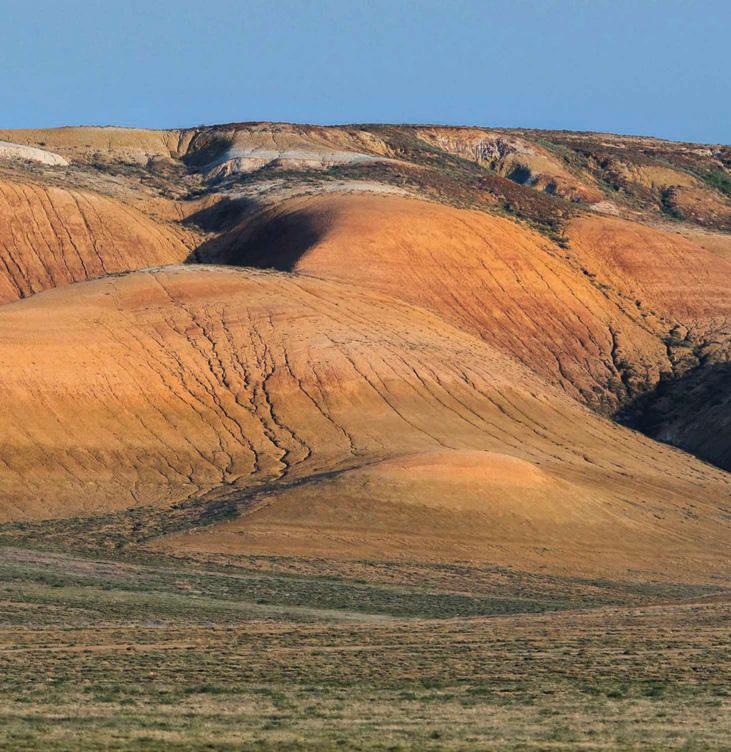 THE KAZAKH STEPPE IS A VAST wilderness, stretching from the Ural Mountains in the west to Mongolia in the east. Covering more than 800,000km², it represents a quarter of the world's remaining temperate grassland. It's a flat, featureless landscape, punctuated by isolated farms and occasional bursts of green, as plants flourish around the scrapes where snowmelt lingers well into summer. The heat of the sun brings out an intoxicating smell of wormwood and other herbaceous plants, while the air buzzes with insects and the familiar trilling of skylarks.

Cette histoire est tirée de l'édition January 2025 de BBC Wildlife.
Abonnez-vous à Magzter GOLD pour accéder à des milliers d'histoires premium sélectionnées et à plus de 9 000 magazines et journaux.
Déjà abonné ? Se connecter
PLUS D'HISTOIRES DE BBC Wildlife
BBC Wildlife
"I was terrified the elephant would ram us"
African elephant in Kenya

2 mins
January 2026
BBC Wildlife
ALL YOU EVER NEEDED TO KNOW ABOUT THE Fennec fox
THE FENNEC FOX IS THE SMALLEST fox in the world, with a body length that can be as little as 24cm.
3 mins
January 2026

BBC Wildlife
INTO THE PLASTISPHERE
A unique synthetic ecosystem is evolving in our oceans – welcome to the plastisphere
7 mins
January 2026

BBC Wildlife
“More than half of all animal life exists in a parasitic relationship, and all life lives in symbiosis”
Our survival depends on species evolving to live together - but some relationships take dark turns
7 mins
January 2026
BBC Wildlife
Are animals able to dream?
SLEEP IS A MYSTERIOUS THING. FOR A long time, we weren't sure why we do it.
1 mins
January 2026
BBC Wildlife
Does a cuckoo know it's a cuckoo?
ABSURD LITTLE BIRDS ACROSS THE world lay their eggs in the nests of other species, leaving the hapless parents to raise a changeling at the expense of their own offspring.
2 mins
January 2026
BBC Wildlife
Orcas killing young sharks
Juvenile great whites are easy prey for orca pod
1 mins
January 2026
BBC Wildlife
Ocean goes on tour
Acclaimed film touring the UK, backed by live orchestra and choir
1 min
January 2026
BBC Wildlife
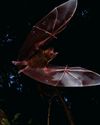
Feisty bats hunt like lions
Winged mammals use a 'hang and wait' strategy to take down large prey
1 mins
January 2026
BBC Wildlife
SNAP-CHAT
Richard Birchett on magical merlins, wily coyotes and charging deer
2 mins
January 2026
Listen
Translate
Change font size