
Gå ubegrenset med Magzter GOLD
Få ubegrenset tilgang til over 9000 magasiner, aviser og premiumhistorier for bare
Prøve GULL - Gratis
STEPPE CHANGE
BBC Wildlife
|January 2025
Herds of saiga have returned to Kazakhstan, but there's a fine balance to tread
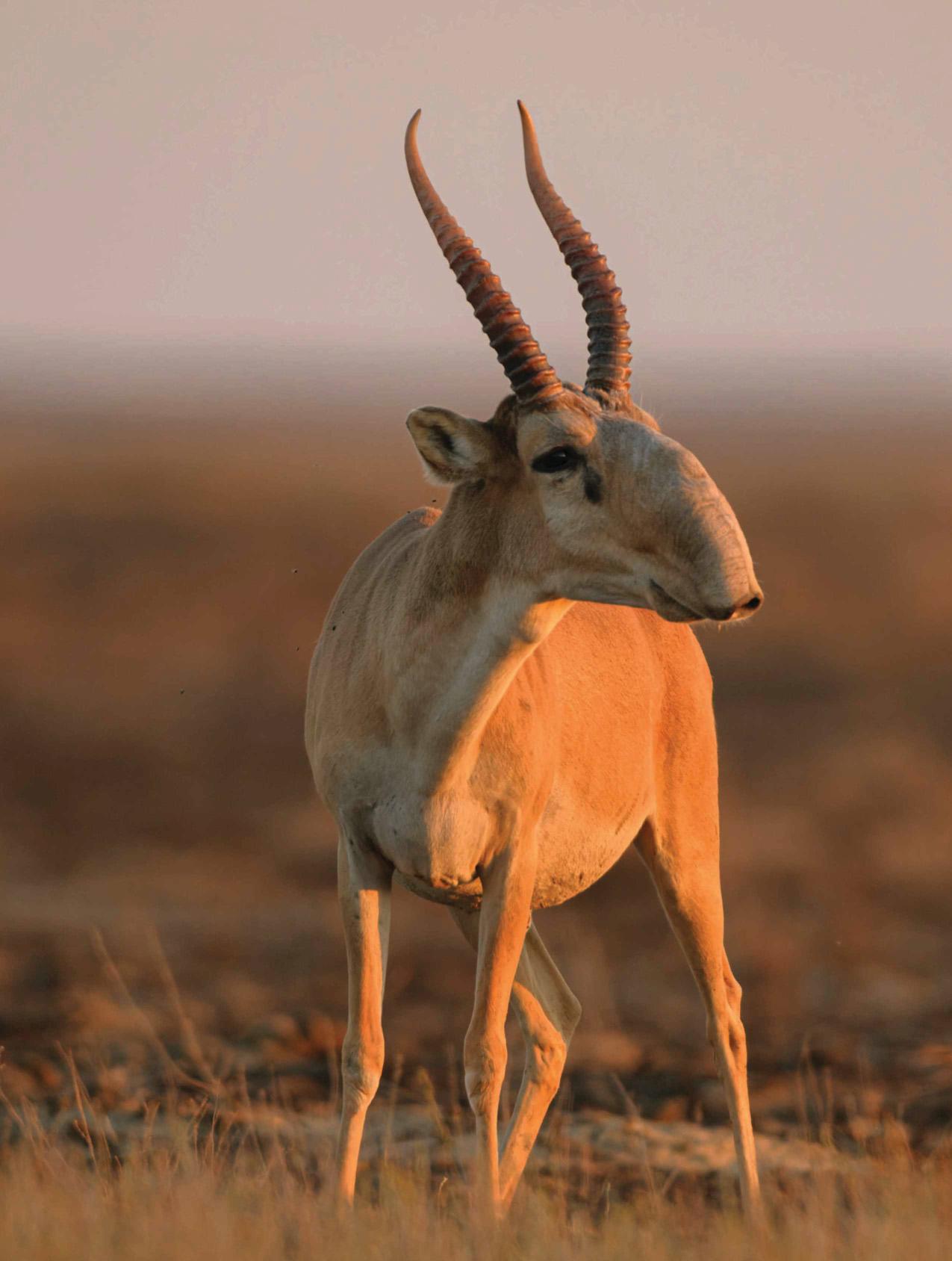
WE'RE FOLLOWING AN old Soviet-era map across the Kazakh Steppe when the first saiga break cover. Heads down, they charge through the knee-high grass reaching speeds of up to 120kph, a hard-wired legacy from the days when Asiatic cheetahs were the top predators on these central Asian grasslands.
Following decades of conservation work, this strange-looking antelope, which wouldn't be out of place on the set of Star Wars, is back, with more than 2.8 million individuals now roaming the landscape. But 20 years ago, the picture was quite different.
A relic from the last ice age, the saiga once rubbed shoulders with the mammoth and woolly rhinoceros. It is incredibly tough, able to survive the worst extremes the steppe can muster. In winter, when temperatures plummet to -45°C, it grows a thick shaggy coat, while its bulbous nose warms the cold air it breathes. In summer, when the mercury can hit 45°C, its nose helps to filter dust, as well as cooling the blood.
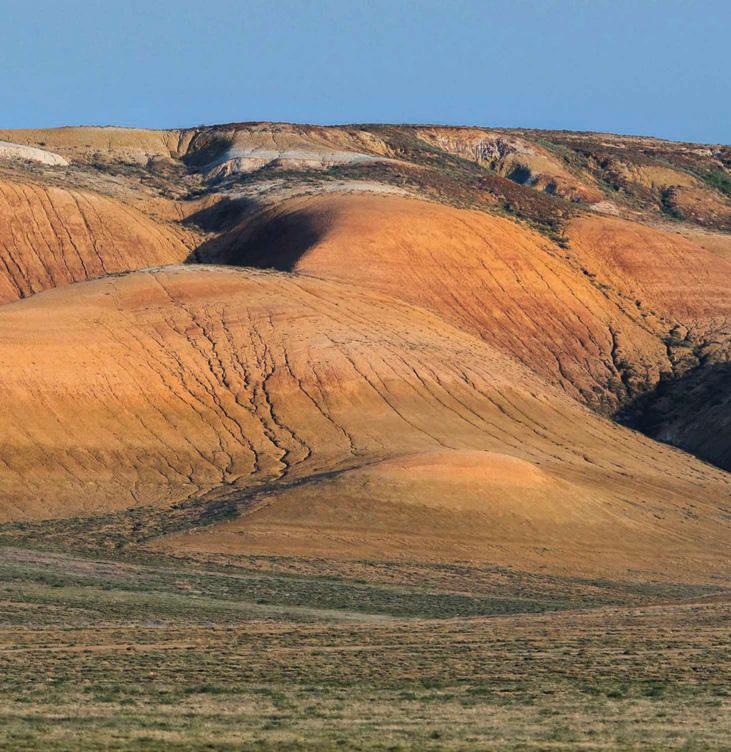 THE KAZAKH STEPPE IS A VAST wilderness, stretching from the Ural Mountains in the west to Mongolia in the east. Covering more than 800,000km², it represents a quarter of the world's remaining temperate grassland. It's a flat, featureless landscape, punctuated by isolated farms and occasional bursts of green, as plants flourish around the scrapes where snowmelt lingers well into summer. The heat of the sun brings out an intoxicating smell of wormwood and other herbaceous plants, while the air buzzes with insects and the familiar trilling of skylarks.

Denne historien er fra January 2025-utgaven av BBC Wildlife.
Abonner på Magzter GOLD for å få tilgang til tusenvis av kuraterte premiumhistorier og over 9000 magasiner og aviser.
Allerede abonnent? Logg på
FLERE HISTORIER FRA BBC Wildlife

BBC Wildlife
SNAP-CHAT
Isaac Szabo talks hellbenders, chub nests and bears on the roof

3 mins
December 2025
BBC Wildlife
Why are the tropics so diverse?
AS YOU MOVE FROM THE POLES towards the equator, species richness increases.
1 mins
December 2025
BBC Wildlife
Magnificent frigatebird
ONE MIGHT BE FORGIVEN FOR thinking that pterodactyls had been de-extincted upon first sighting the silhouette of a magnificent frigatebird.
3 mins
December 2025
BBC Wildlife
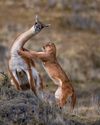
YEAR OF THE CAT
Once a phantom of Chile's windswept peaks, this plucky feline is making a comeback
3 mins
December 2025
BBC Wildlife
KATE BRADBURY
“I feel I am part bird at this point at the year's end: I'm ready for spring”
2 mins
December 2025
BBC Wildlife
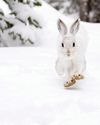
SNOW DAYS
High in the boreal forests of Colorado, the snowshoe hare lives a secretive life. But one photographer has gained a unique window into its world
3 mins
December 2025

BBC Wildlife
A journey into sound
Progressive hearing loss prompted a memorable quest to absorb nature's calls and choruses
7 mins
December 2025
BBC Wildlife
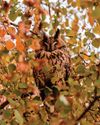
WILD IN THE CITY
A huge parliament of long-eared owls has made an unlikely home in a Serbian town square
2 mins
December 2025
BBC Wildlife
Birds follow the flames
In the Sierra Nevada of California, fire gives some birds a boost
1 mins
December 2025

BBC Wildlife
Remembering Jane
The ethologist, conservationist and humanitarian Dr Jane Goodall died in October. We reflect on the woman who gave the world hope
5 mins
December 2025
Listen
Translate
Change font size