Intentar ORO - Gratis
First commercial space station is readying for launch
BBC Science Focus
|Summer 2025
For the first time in human history, a space station built by a startup, not a nation, is set to enter low Earth orbit
-
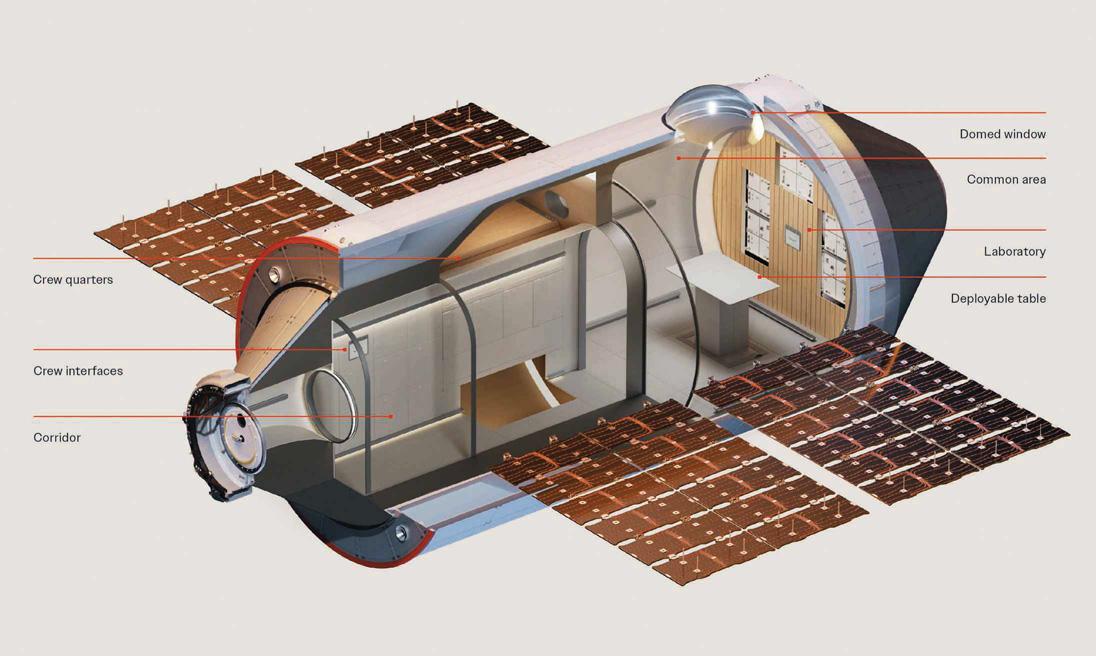
In 2026, a team of astronauts will float inside a glossy white cylinder orbiting hundreds of kilometres above Earth. But this won't be the International Space Station (ISS). It'll be Haven-1 — the world's first commercial space station, built by a private aerospace company called Vast.
Expected to launch in May 2026 on a SpaceX Falcon 9, Haven-1 represents a radical shift in the way people will live and work in space.
"If we're able to do this before we win the NASA contract [to replace the ISS] using our own funding, we'll be not only the world's first commercial space station, but the only one of the expected bidders to have done that," Vast's CEO Max Haot told BBC Science Focus.
 KEEPING THINGS SIMPLE
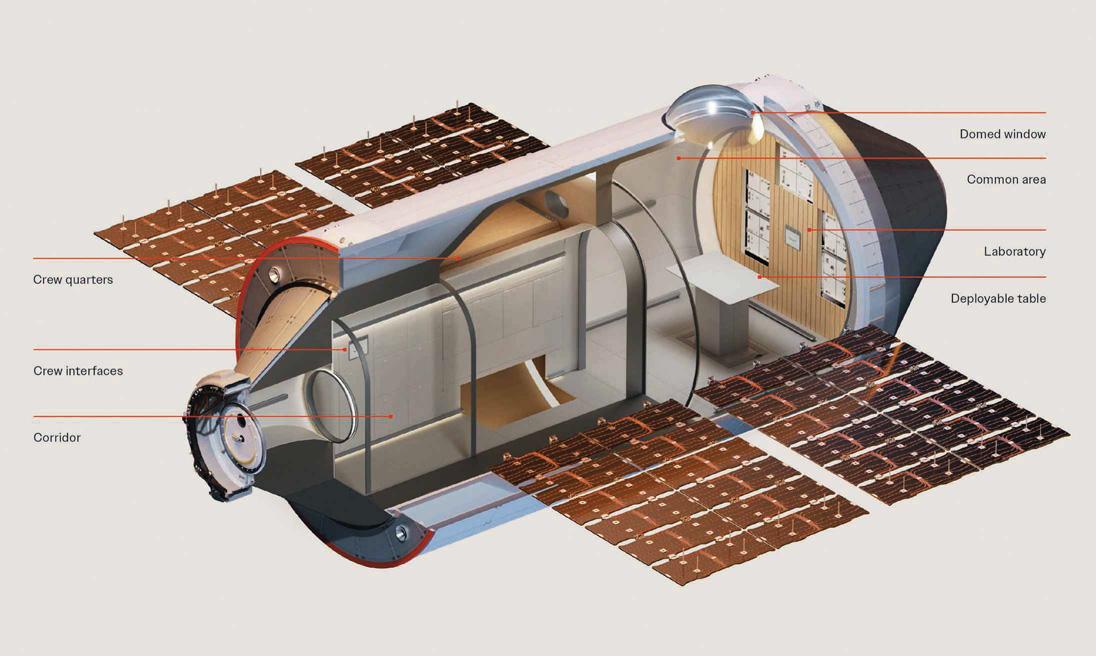
Vast's approach is fast, focused and unashamedly pragmatic. Instead of building a sprawling orbital laboratory, the team at Vast has designed a tightly constrained system that does just enough – safely. At 45m³ (1,590ft³), Haven-1 has roughly the interior volume of a small tour bus. Its life-support system borrows from earlier NASA tech, running on a simpler 'open loop' design like that used on the Space Shuttle.
Crew members won't stay for months here, like they do on the ISS. Instead, four astronauts will visit for roughly 10 days at a time, arriving on a SpaceX Dragon spacecraft. Over Haven-1's three-year orbital lifetime, only four such missions are planned.
"The number one priority for Haven-1, as a demonstration of a minimum viable product space station, is safety," Haot says. "Number two is to make it happen within this unprecedented timeline. A rapid timeline also means lower cost."

Esta historia es de la edición Summer 2025 de BBC Science Focus.
Suscríbete a Magzter GOLD para acceder a miles de historias premium seleccionadas y a más de 9000 revistas y periódicos.
¿Ya eres suscriptor? Iniciar sesión
MÁS HISTORIAS DE BBC Science Focus

BBC Science Focus
THE US IS USING TO AI APPROVE AND DENY MEDICAL CARE. HERE'S WHAT THAT MEANS
An AI pilot programme is attempting to cut down on 'wasteful' medical procedures, and patients are paying the price

10 mins
July 2026

BBC Science Focus
CAN YOUR THYROID MAKE YOU A NARCISSIST?
Shaped like a butterfly, the thyroid sits at the bottom of your neck, just in front of your windpipe.
2 mins
July 2026

BBC Science Focus
NEW & IMPROVED RECIPES! SAME GREAT FLAVOUR!
Weight-loss drugs can be life-changing for people who are trying to slim down.
8 mins
July 2026

BBC Science Focus
25 Small changes that make a big G difference to YOUR DEMENTIA RISK
The way you choose to live helps define your brain health in later life. Here we list some of the behaviours that scientists believe will keep your head in the game
10 mins
July 2026
BBC Science Focus
THE BIRDS THAT TOOK OVER FROM THE DINOSAURS
We tend to think that mammals took over after the fateful asteroid wiped out the dinosaurs, but for millions of years following the impact, fearsome birds ruled Earth
7 mins
July 2026

BBC Science Focus
WHAT DOES MY MUSIC TASTE SAY ABOUT MY INTELLIGENCE?
A 2026 study by psychologists in Germany and Switzerland tried to answer this question by comparing listening data from 185 adults with their scores from online tests of general cognitive ability.
1 mins
July 2026

BBC Science Focus
WHAT EVERYONE GOT WRONG ABOUT FERRARI'S ELECTRIC CAR
THE UNVEILING OF THE LUCE SPARKED OUTRAGE. THAT KNEE-JERK REACTION MISSES THE POINT OF THIS GROUND-BREAKING CAR
3 mins
July 2026
BBC Science Focus
WHY ARE MORE OLDER PEOPLE DYING AFTER FALLS?
Taking a tumble isn't always deadly.
1 mins
July 2026
BBC Science Focus
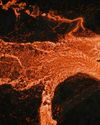
Here be dragons LITLI-HRÚTUR, ICELAND
Dragons are a symbol of luck in Chinese culture, and it doesn’t take much imagination to see one in this shot of molten lava blazing across Iceland’s Reykjanes Peninsula.
1 min
July 2026
BBC Science Focus
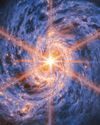
New NASA photo shows the full power of a supermassive black hole
This remarkable image reveals why the ‘squid galaxy’ is so bright
1 min
July 2026
Listen
Translate
Change font size