Intentar ORO - Gratis
MICROBIOMES OF THE SUPERAGERS
BBC Science Focus
|March 2026
BY STUDYING THE INCREASING NUMBER OF PEOPLE WHO ARE LIVING BEYOND THEIR 100TH BIRTHDAYS, SCIENTISTS ARE DISCOVERING THAT THE SECRET TO REACHING A RIPE OLD AGE IN RUDE HEALTH MIGHT LIE IN OUR GUTS
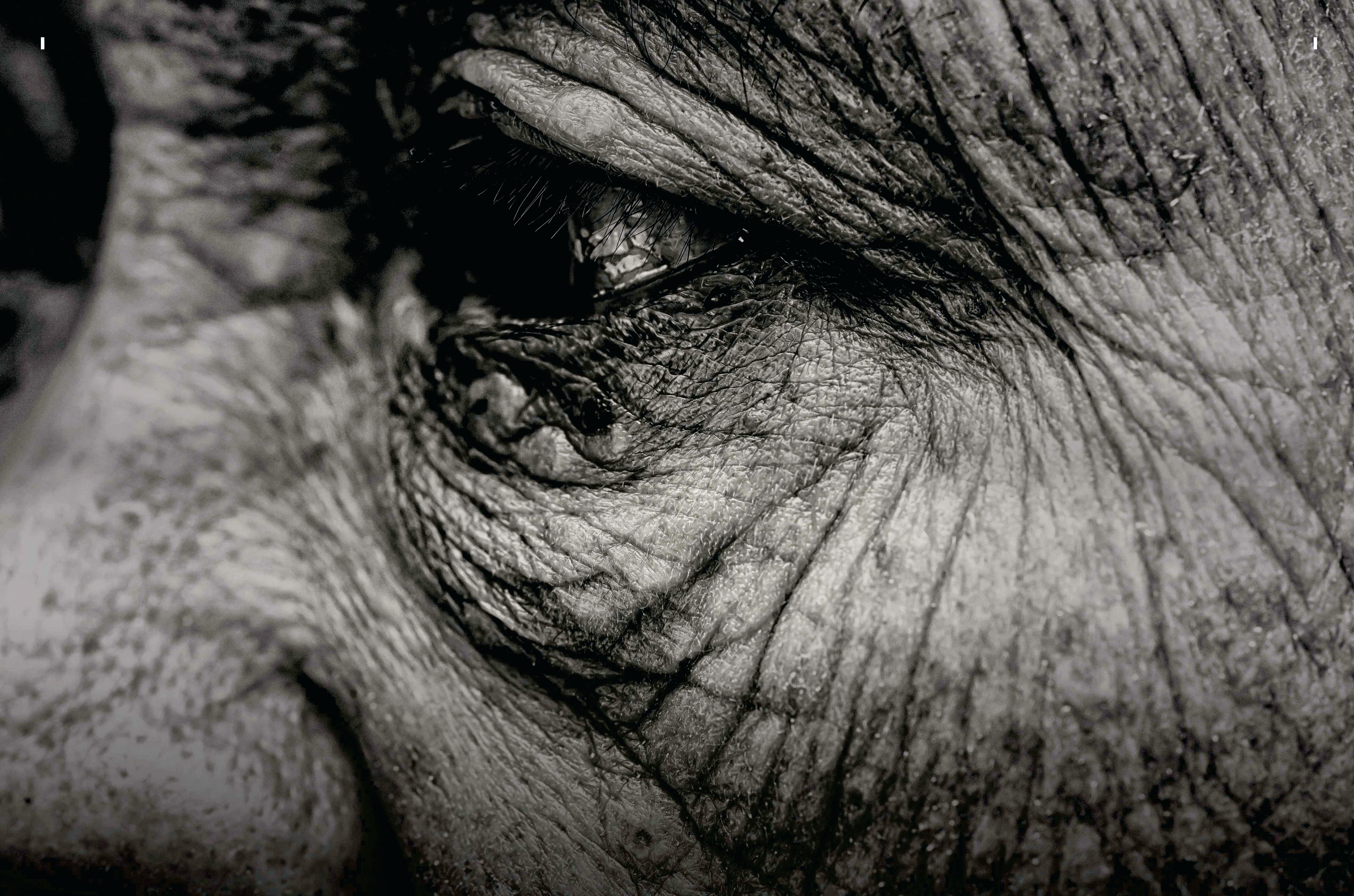
When she died in 2024, Spain's Maria Branyas was the world's oldest woman. She was 117.
Experts believe the secret to her longevity may have been the bacteria living in her gut – her microbiome – and luckily, before she died, she donated stool samples to medical scientists so they could learn more about it. The international team of researchers studying the samples were stunned to find that, along with her advantageous genetic profile, her gut was flourishing with the associated microbial community of youth.
There was plenty of Bifidobacterium, which typically gets star billing in probiotic supplements due to its inflammation-reducing properties, not to mention its ability to boost our immune systems. It also aids in digestion and helps produce essential micronutrients like vitamins.
Branyas may be the most extreme example, but record numbers of people are now living past their 100th birthday. Yet as more of us live longer, more of us are having to live with chronic disease, so the goal of longevity researchers is to work out how to stretch our healthspan – the illness-free years of our lives.
Gut health is a promising target for achieving this. While we're largely stuck with our genes, our unique microbiomes can be influenced by diet and lifestyle. As scientists learn more about what keeps the gut microbiomes of the longest-lived people so youthful, the better our chances are that more of us can follow in their footsteps...
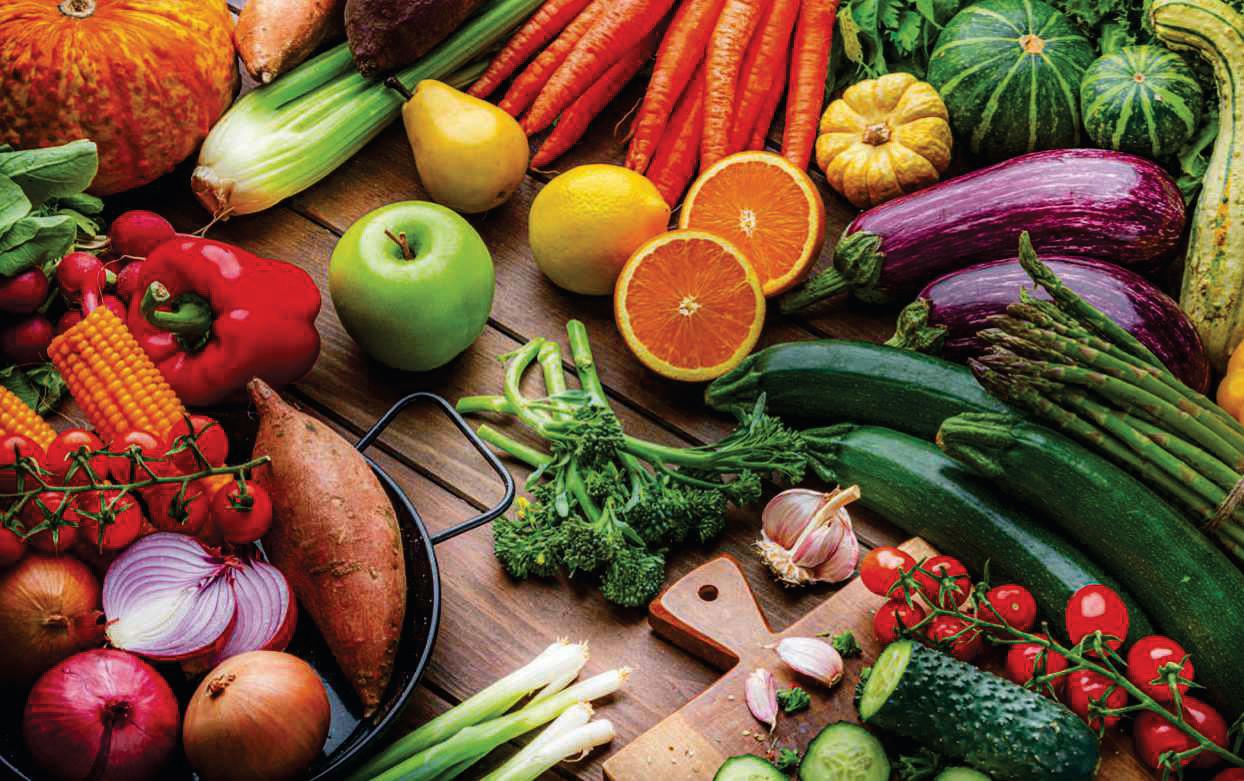 BALANCE BEATS DIVERSITY
WHY AN EVEN MIX OF GUT BACTERIA COULD BE MORE BENEFICIAL THAN A RICHER MIX

Esta historia es de la edición March 2026 de BBC Science Focus.
Suscríbete a Magzter GOLD para acceder a miles de historias premium seleccionadas y a más de 9000 revistas y periódicos.
¿Ya eres suscriptor? Iniciar sesión
MÁS HISTORIAS DE BBC Science Focus

BBC Science Focus
HEALTH: Eating oats could lower your cholesterol in just two days
The health benefits of a two-day porridge diet lasted for weeks afterwards

1 mins
April 2026

BBC Science Focus
Most people are too sure they can identify fake human faces
Even 'super recognisers' struggle with the challenge. Can you do better?
1 min
April 2026

BBC Science Focus
WHAT'S THE WORST THING YOU CAN DO FOR THE PLANET ONLINE?
Human beings can barely move a muscle without some kind of deleterious effect on the environment around us.
2 mins
April 2026

BBC Science Focus
A bug in the system
The complex arrangement of equipment you see here is part of a particle accelerator.
1 min
April 2026
BBC Science Focus
Snug as a bug in a rug
At first glance, you might feel envious of this little leafhopper, swaddled beneath the folds of what appears to be a luxurious fur blanket.
1 min
April 2026

BBC Science Focus
WHY DO WE ROOT FOR THE VILLAIN IN MOVIES?
Whether it's Darth Vader or Cruella de Vil, we all have a favourite movie villain.
1 mins
April 2026

BBC Science Focus
A TURN TO DISPERSE
Why a fart walk after dinner does more than release your gas
3 mins
April 2026

BBC Science Focus
Hatching a nebula
Welcome to the Egg Nebula, an enigmatic structure formed by ejected stardust in the Cygnus constellation around 1,000 light-years from Earth.
1 min
April 2026

BBC Science Focus
7 TIMES AI GOT IT SPECTACULARLY WRONG
For the past four years, AI has been reshaping how we work and live. But its failures are proving just as transformative as its triumphs
8 mins
April 2026

BBC Science Focus
CHARLES ADCOCK, VIA EMAIL: COULD DARK MATTER BE ALL AROUND PLANET EARTH BUT UNDETECTABLE?
Astronomers have gathered overwhelming evidence that 80 per cent of all matter in the Universe is invisible.
1 min
April 2026
Listen
Translate
Change font size