Intentar ORO - Gratis
TOKYO IN RUINS
BBC History UK
|September 2023
In 1923, a violent earthquake razed Japan's bustling imperial capital and killed more than 100,000 people. Christopher Harding explores the aftermath of the disaster - and its pivotal cultural and physical legacy
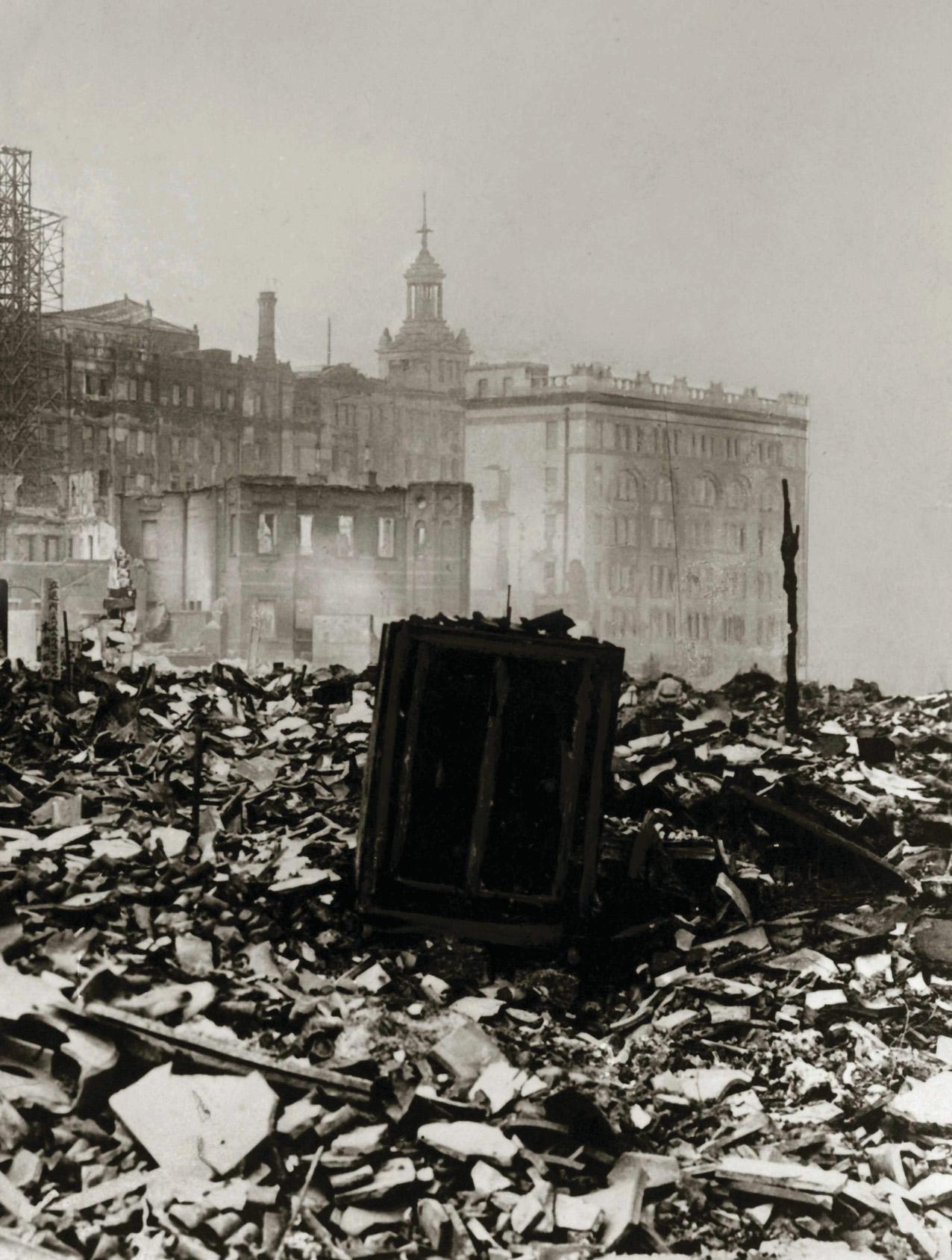
Shortly before noon on 1 September 1923, people in Tokyo and the nearby port city of Yokohama felt the ground beneath them shake. It was not especially unnerving: this region of Japan, the Kanto Plain, stood at the meeting point of four tectonic plates. Tremors were common, and usually passed after a few seconds.
On this occasion, though, they continued - for five seconds, then 10- and were so powerful that people were forced to reach out to steady themselves and catch possessions as they fell. After around 15 seconds, sideto-side movement suddenly gave way to something much worse: violent vertical convulsions of such devastating power that they could be felt as far away as Spain in one direction and California in the other.
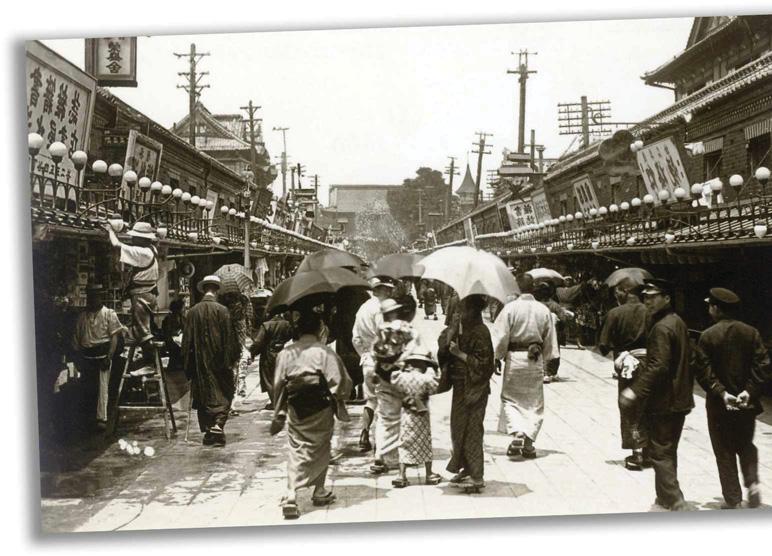
In past centuries, some in Japan had associated earthquakes with the restive movements of a giant catfish living deep within the Earth. People in Tokyo and Yokohama now gained a visceral, terrifying sense of why that belief might have taken root. The shockwaves caused the ground beneath their feet to undulate. Objects did not just fall- they jumped off the floor, accompanied by an angry, ominous rumble that was soon drowned out by the noise of brick and concrete buildings collapsing, tiles crashing from roofs and people shouting and screaming.
The cacophony briefly gave way to an eerie quiet as people took in what had happened. Stepping out of homes or shops to survey the landscape around them, they began to think of relatives and friends and the need to escape. As the first of many hundreds of aftershocks arrived, the streets of Tokyo filled with people trying to flee to the countryside. The prospect of further tremors to come was worrying enough; far worse was the peril that some could already smell on the air: fire.

Esta historia es de la edición September 2023 de BBC History UK.
Suscríbete a Magzter GOLD para acceder a miles de historias premium seleccionadas y a más de 9000 revistas y periódicos.
¿Ya eres suscriptor? Iniciar sesión
MÁS HISTORIAS DE BBC History UK
History Extra
Power and principles
GWILYM DODD applauds a biography of a cleric and statesman who combined political clout with spiritual integrity

2 mins
March 2026
History Extra
What is the biggest historical misconception?
Our team of historians, broadcasters and authors take aim at the most egregious fallacies about the past
10 mins
March 2026

History Extra
Split decisions
The history of motherhood, from childbirth to breastfeeding and working mothers, has enjoyed overdue scholarly attention in recent years.
1 mins
March 2026
History Extra
Statutes of liberty
In the 10th century, a Welsh king presided over legislation that recognised women's rights, offered consumer protection and removed physical punishments. Malcolm Smith tells the story of some of the most progressive laws ever to be enacted
8 mins
March 2026

History Extra
Victorian tragedy
My February issue of HistoryExtra magazine arrived today and I was fascinated to see the cover image informing readers of \"Lucy Worsley's hunt for a London serial killer\".
3 mins
March 2026
History Extra
Jews and Christians in York worked together for the common good
ON A COLD, GREY JANUARY DAY IN YORK, I climbed the steps to Clifford's Tower (pictured below), continuing all the way to the top to enjoy panoramic views across the city.
2 mins
March 2026
History Extra
The Archers shows that the village still stands for the idea of community
THIS YEAR WE CELEBRATE 75 YEARS OF The Archers.
3 mins
March 2026
History Extra
WHY CHURCHILL POKED THE RUSSIAN BEAR
It's 80 years since the war victor delivered his 'Iron Curtain' speech, sounding the alarm for a perilous new age. The speech, given as tensions with Stalin soared, is among the most famous in modern history. Yet, asks Richard Toye, has it been misunderstood?
10 mins
March 2026

History Extra
Sea changes
The title of this wideranging book is misleading: an overview of the medieval history of the Baltic lands, it starts before the crusades proper and follows the story through to the Reformation.
1 mins
March 2026
History Extra
MY HISTORY HERO
Olympic gold medallist Amy Williams chooses
2 mins
March 2026
Translate
Change font size