
मैगज़्टर गोल्ड के साथ असीमित हो जाओ
10,000 से अधिक पत्रिकाओं, समाचार पत्रों और प्रीमियम कहानियों तक असीमित पहुंच प्राप्त करें सिर्फ
कोशिश गोल्ड - मुक्त
TOKYO IN RUINS
BBC History UK
|September 2023
In 1923, a violent earthquake razed Japan's bustling imperial capital and killed more than 100,000 people. Christopher Harding explores the aftermath of the disaster - and its pivotal cultural and physical legacy
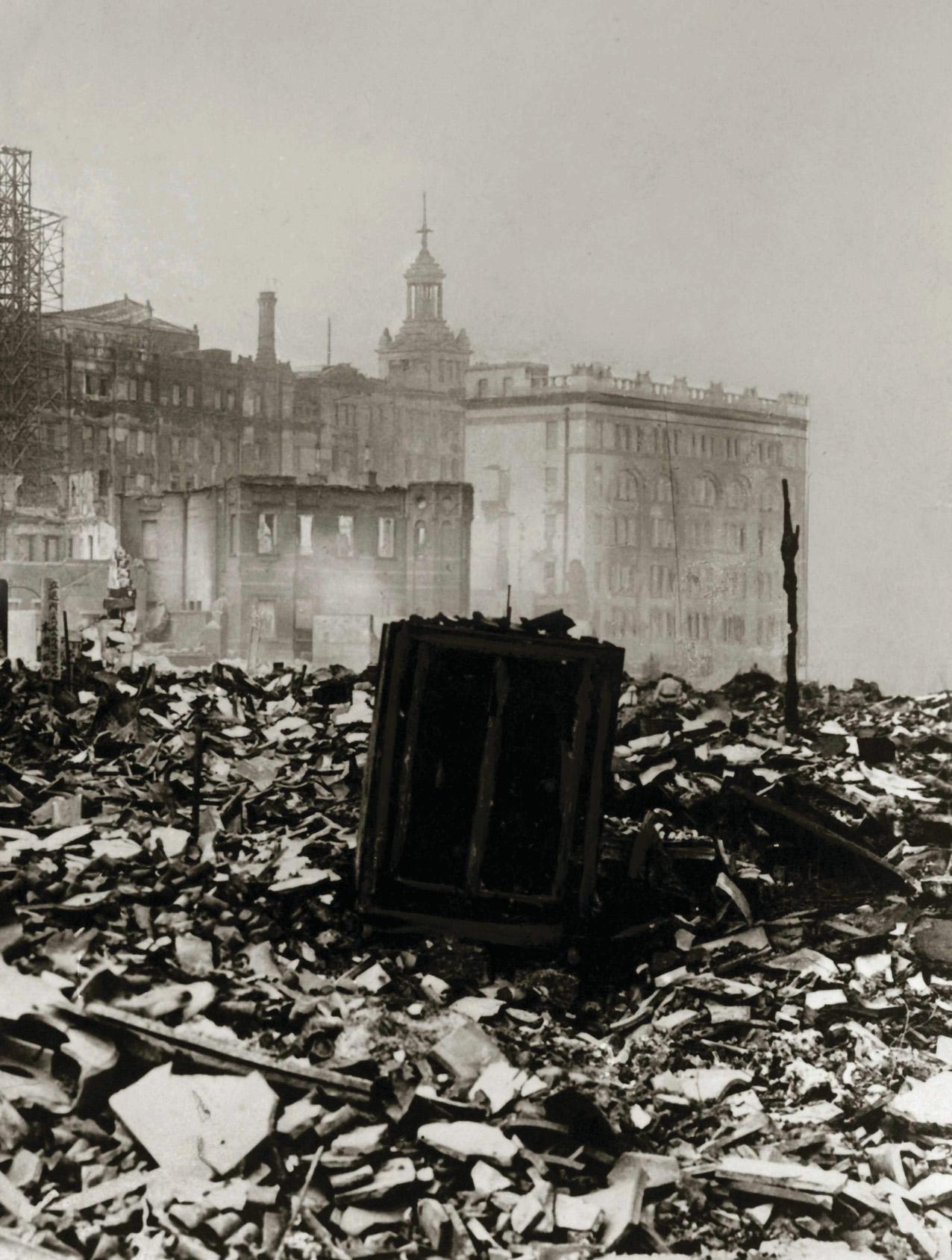
Shortly before noon on 1 September 1923, people in Tokyo and the nearby port city of Yokohama felt the ground beneath them shake. It was not especially unnerving: this region of Japan, the Kanto Plain, stood at the meeting point of four tectonic plates. Tremors were common, and usually passed after a few seconds.
On this occasion, though, they continued - for five seconds, then 10- and were so powerful that people were forced to reach out to steady themselves and catch possessions as they fell. After around 15 seconds, sideto-side movement suddenly gave way to something much worse: violent vertical convulsions of such devastating power that they could be felt as far away as Spain in one direction and California in the other.
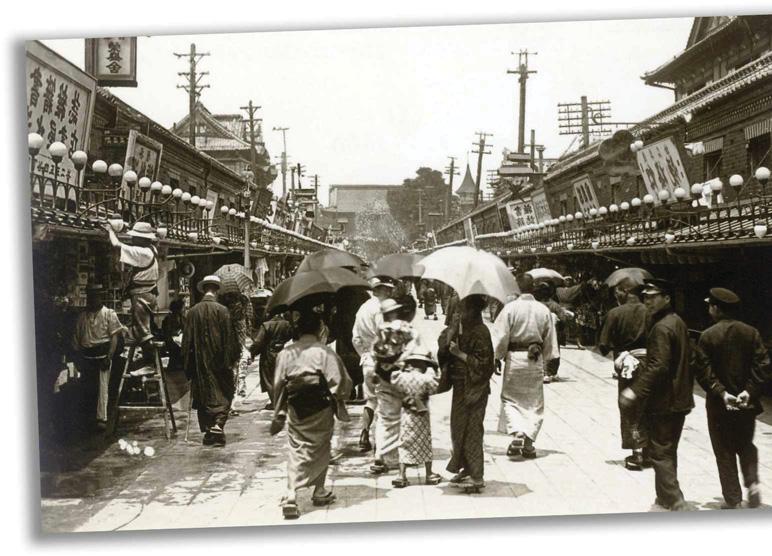
In past centuries, some in Japan had associated earthquakes with the restive movements of a giant catfish living deep within the Earth. People in Tokyo and Yokohama now gained a visceral, terrifying sense of why that belief might have taken root. The shockwaves caused the ground beneath their feet to undulate. Objects did not just fall- they jumped off the floor, accompanied by an angry, ominous rumble that was soon drowned out by the noise of brick and concrete buildings collapsing, tiles crashing from roofs and people shouting and screaming.
The cacophony briefly gave way to an eerie quiet as people took in what had happened. Stepping out of homes or shops to survey the landscape around them, they began to think of relatives and friends and the need to escape. As the first of many hundreds of aftershocks arrived, the streets of Tokyo filled with people trying to flee to the countryside. The prospect of further tremors to come was worrying enough; far worse was the peril that some could already smell on the air: fire.

यह कहानी BBC History UK के September 2023 संस्करण से ली गई है।
हजारों चुनिंदा प्रीमियम कहानियों और 10,000 से अधिक पत्रिकाओं और समाचार पत्रों तक पहुंचने के लिए मैगज़्टर गोल्ड की सदस्यता लें।
क्या आप पहले से ही ग्राहक हैं? साइन इन करें
BBC History UK से और कहानियाँ
BBC History UK
Royal progress
Alice Loxton's new book begins with a compelling premise.

1 mins
January 2026

BBC History UK
"Leaving Muslim contributions out of European history has allowed Islamophobic sentiment to flourish"
THARIK HUSSAIN speaks to Danny Bird about the long but often overlooked and distorted history of Muslims in Europe - and the enduring resistance to its reappraisal
9 mins
January 2026
BBC History UK
7 UNMISSABLE TRIPS IN 2026
With new routes, big anniversaries and fresh ways of discovering familiar favourites, TOM HALL highlights historical destinations to explore this year
4 mins
January 2026

BBC History UK
SOPHIE SCHOLL
Novelist Simon Scarrow chooses
2 mins
January 2026
BBC History UK
Portrait of the artists
TRACY BORMAN is enraptured by a beautifully written and richly illustrated exploration of early modern English art
2 mins
January 2026
BBC History UK
Humble heroes
Statues celebrate monarchs, rulers and conquerors - but who remembers the brave folk who gave their lives to save others? Anna Maria Barry recounts stories of selfsacrificing but otherwise ordinary people from the 19th and 20th centuries who are commemorated in one London park.
9 mins
January 2026
BBC History UK
BACK FROM THE DEAD
Britain’s War Office thanked the SAS for its remarkable efforts in WW2 by abolishing it – yet soon realised the error of its ways. Gavin Mortimer tells the story of how the elite unit reinvented itself to confront the challenges of the postwar world
8 mins
January 2026
BBC History UK
Q&A - A selection of historical conundrums answered by experts
Were Roman gladiators vegetarian?
8 mins
January 2026
BBC History UK
Martha McGill on a pioneering study of folk beliefs in early modern England
I was recently chatting with a handful of early modernists about the history book we'd take to a desert island.
1 min
January 2026
BBC History UK
Independent empires
Viewing the British empire through an American lens provides an intriguing alternative perspective on the 'Land of the Free', says DAVID ARMITAGE
4 mins
January 2026
Translate
Change font size