
Vuélvete ilimitado con Magzter GOLD
Obtenga acceso ilimitado a más de 9000 revistas, periódicos e historias Premium por solo
Intentar ORO - Gratis
Begin at the Beginning
Successful Farming
|December 2025
The most problematic weed species have an unmatched potential to spread. Left unmanaged, both waterhemp and Palmer amaranth can produce up to 1 million seeds per plant, according to Ohio State University Extension.
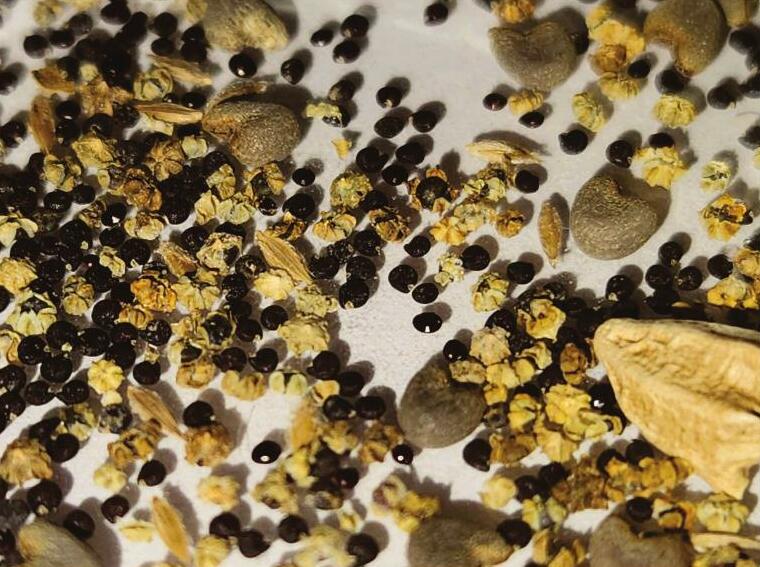
“Thirty years ago, weed control programs would cost $10–15 per acre,” said Josh Putman, a technical marketing manager for BASF. “Today, we are up north of $100 per acre, primarily due to the resistance and competitive nature of a lot of weed species.”
Understanding how weeds spread is the first step in building an effective control program and reducing the risk of herbicide resistance.
How Weeds Spread
Seeds are spread through a variety of methods, including wind, water, and wildlife.
For example, marestail seeds can be picked up by the wind once the plant has reached 3–4 feet, and viable Palmer amaranth seeds have been found in the stomachs of geese and deer.
Farms located near rivers can see weed species from the south moved by the water current.
However, for the average farmer, weed seeds most often spread through everyday operations. Small seeded weeds, such as Palmer amaranth and waterhemp, are especially easy to spread unintentionally. “Their seed is extremely small — about the size of the ballpoint tip in a pen,” Putman said. “That can get caught on the bottom of your boot in some mud. It can get in your truck tires, tractor tires, or sprayer tires. It can be transported in manure. It can be transported in cottonseed meal that gets sent from Texas onto dairy farms in Wisconsin and New York.”
Minimizing Seed Spread
The best ways to prevent weed spread are timely applications and proper use of herbicides. Be sure to follow all directions and restrictions on the label for best results.


Esta historia es de la edición December 2025 de Successful Farming.
Suscríbete a Magzter GOLD para acceder a miles de historias premium seleccionadas y a más de 9000 revistas y periódicos.
¿Ya eres suscriptor? Iniciar sesión
MÁS HISTORIAS DE Successful Farming

Successful Farming
When Fire Backfires
Controlled burns and field fires are part of farm life. But when flames or smoke drift beyond your fence line, you could be on the hook for major damages.

4 mins
March 2026

Successful Farming
Planter Calibration Sets Yield Potential
Preparing, calibrating, and verifying planter performance help ensure uniform emergence.
4 mins
March 2026

Successful Farming
all around THE FARM
I built this rolling cart out of two Harbor Freight scissor-lift transmission jacks.
1 mins
March 2026
Successful Farming
Pickup Box Power Utility Center
An easy-access portable energy source serves multiple functions.
1 mins
March 2026

Successful Farming
6 Tips for a Tighter Calving Window
Experts say a shorter calving season can optimize your barn’s productivity and your checkbook.
4 mins
March 2026

Successful Farming
Are We Too Young for an Estate Plan?
Problem: A young couple with children doesn’t have an estate plan, but their assets may change with future inheritance and acquisitions.
2 mins
March 2026

Successful Farming
New Holland PowerStar Electro Command Tractors
High-power machines feature utility size.
2 mins
March 2026

Successful Farming
Claas Jaguar 1000 Forage Harvester for Wide Crop Flow
The 1000 series is launching with four new models.
2 mins
March 2026

Successful Farming
Mark Crave
At this Wisconsin dairy, sustainability and family farming go hand in hand, from milking 2,300 cows to powering the farm with manure.
3 mins
March 2026

Successful Farming
Insuring Against Fire
Being fully covered in case of fire is critical after a disaster.
3 mins
March 2026
Listen
Translate
Change font size