試す 金 - 無料
Begin at the Beginning
Successful Farming
|December 2025
The most problematic weed species have an unmatched potential to spread. Left unmanaged, both waterhemp and Palmer amaranth can produce up to 1 million seeds per plant, according to Ohio State University Extension.
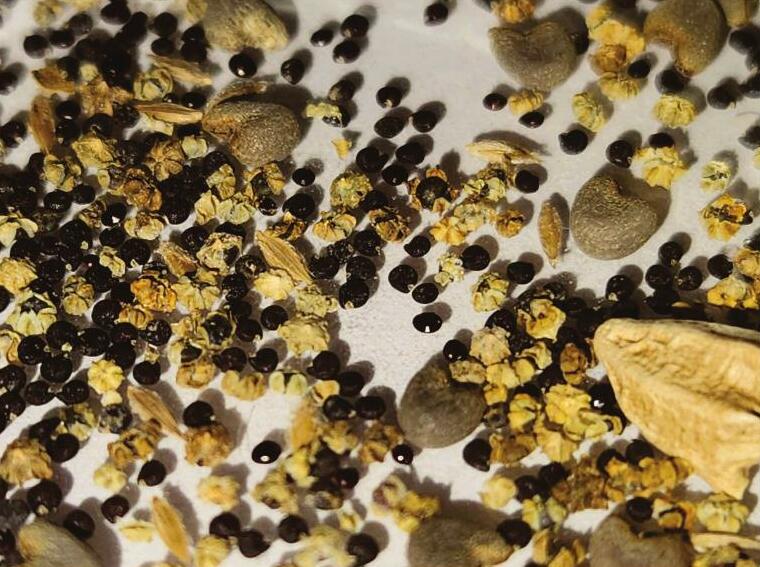
“Thirty years ago, weed control programs would cost $10–15 per acre,” said Josh Putman, a technical marketing manager for BASF. “Today, we are up north of $100 per acre, primarily due to the resistance and competitive nature of a lot of weed species.”
Understanding how weeds spread is the first step in building an effective control program and reducing the risk of herbicide resistance.
How Weeds Spread
Seeds are spread through a variety of methods, including wind, water, and wildlife.
For example, marestail seeds can be picked up by the wind once the plant has reached 3–4 feet, and viable Palmer amaranth seeds have been found in the stomachs of geese and deer.
Farms located near rivers can see weed species from the south moved by the water current.
However, for the average farmer, weed seeds most often spread through everyday operations. Small seeded weeds, such as Palmer amaranth and waterhemp, are especially easy to spread unintentionally. “Their seed is extremely small — about the size of the ballpoint tip in a pen,” Putman said. “That can get caught on the bottom of your boot in some mud. It can get in your truck tires, tractor tires, or sprayer tires. It can be transported in manure. It can be transported in cottonseed meal that gets sent from Texas onto dairy farms in Wisconsin and New York.”
Minimizing Seed Spread
The best ways to prevent weed spread are timely applications and proper use of herbicides. Be sure to follow all directions and restrictions on the label for best results.


このストーリーは、Successful Farming の December 2025 版からのものです。
Magzter GOLD を購読すると、厳選された何千ものプレミアム記事や、10,000 以上の雑誌や新聞にアクセスできます。
すでに購読者ですか? サインイン
Successful Farming からのその他のストーリー
Successful Farming
Roger Wenning
Taking the long view on soil health has allowed this Indiana farmer to drastically transform his land and yields.

3 mins
December 2025

Successful Farming
A Systems Overhaul
These farmers jump-started soil lite to provide health and fertility for crops.
5 mins
December 2025

Successful Farming
Do You Trust Your Land?
A trust may help you and your family with farm succession and retirement.
4 mins
December 2025

Successful Farming
Make Your Own Handy Tools
Craft your own wire splicers for fencing repairs, and a sprayer tip-cap remover to save your fingers.
1 min
December 2025
Successful Farming
Do 100 THINGS 1% Better
Yield contest champions confirm big yields come from small, consistent improvements.
7 mins
December 2025

Successful Farming
Rural Route Ramble
Holiday shoppers are descending on northwest Iowa communities, getting a glimpse of the beauty of small-town life and offering a much-needed boost to businesses.
4 mins
December 2025
Successful Farming
A Fresh Start
Up-and-coming farmers find peace, purpose, and a path to independence in Iowa.
1 mins
December 2025

Successful Farming
Sean Lehmann
The Braunvieh beef breed has become a favorite of this Kansas cattleman and his family.
4 mins
December 2025
Successful Farming
A SLOW UNWINDING
While some data shows farmland values are up, one expert sees farmland values declining due to market dynamics.
5 mins
December 2025

Successful Farming
Who Can Own American Farmland?
What does the National Farm Security Action Plan mean for foreign-owned businesses such as Syngenta?
3 mins
December 2025
Listen
Translate
Change font size