Intentar ORO - Gratis
Are new laws a threat to nature?
BBC Wildlife
|August 2025
New legislation to tackle river pollution could bring with it a whole new set of problems
-
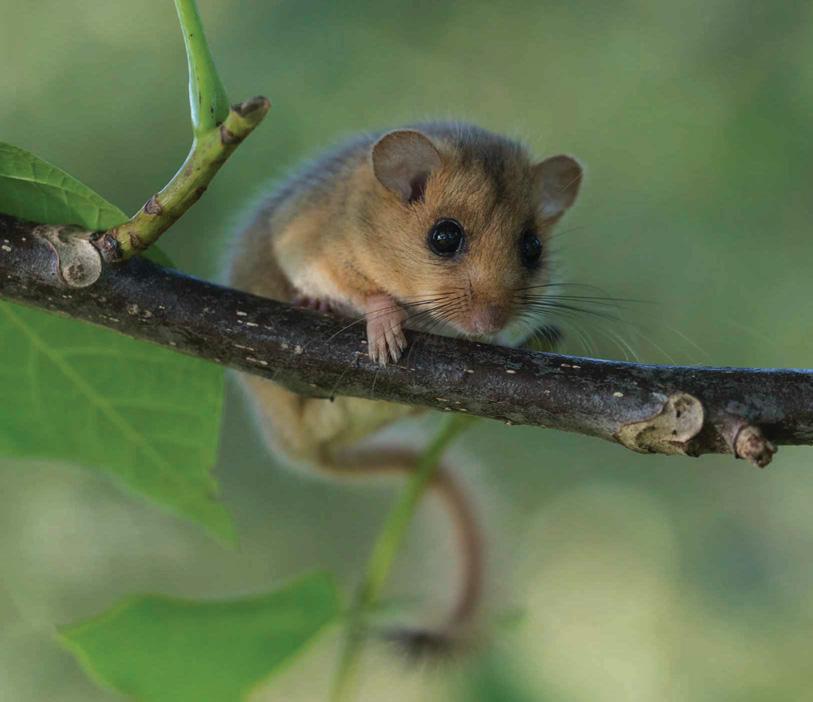
UNLESS YOU'VE BEEN LIVING ON Mars for the past five years, you will know there is a problem with excess nutrients - well, pollution - in Britain's rivers. The vast majority of this is down to agricultural runoff of fertilisers and livestock manure (cattle slurry, for example, though chicken dung is a big issue for some rivers such as the Wye). But a small yet important contribution comes from human waste, too. Of course, that's largely down to the failure of our water companies to upgrade their infrastructure, but legislation currently going through parliament is intended to resolve the problem of what we do about new houses that create an additional burden on our creaking sewage system.
Here's the basic idea. A new home brings in more people. They create more waste that could - say, after heavy rain - end up being discharged through a combined sewage overflow into a river, rather than passing through a treatment plant as it ought to.
Proposals in the Planning and Infrastructure Bill (PIB) will require house builders in designated protected areas to pay into a kind of communal kitty called the Nature Restoration Fund. This kitty money will then be used to reduce the overall nutrient load going into the catchment by, for example, creating wetlands that act as a filter for runoff, stopping nutrients such as phosphorus and nitrates going further into the freshwater system. Wetlands are great for wildlife and store carbon, too, so this is a brilliant way to address the issue.
The government has partly been forced into taking action because this issue of human waste is stopping developers from starting work on somewhere between 100,000 and 160,000 homes - which is nearly 10 per cent of Labour's manifesto pledge of building 1.5 million houses by the end of this parliament.

Esta historia es de la edición August 2025 de BBC Wildlife.
Suscríbete a Magzter GOLD para acceder a miles de historias premium seleccionadas y a más de 9000 revistas y periódicos.
¿Ya eres suscriptor? Iniciar sesión
MÁS HISTORIAS DE BBC Wildlife

BBC Wildlife
Animal welfare
FURTHER TO EM GENOVESE'S LETTER (Your Letters, Spring 2026), I would like to signpost the charity Wild Welfare to readers.

2 mins
May 2026
BBC Wildlife
"The hooves pounded up the trail behind us"
Moose in Colorado
3 mins
May 2026
BBC Wildlife
SEAGRASS SAVIOURS
Sometimes, saving the planet requires a bright idea, some practical know-how and a bit of tinkering
6 mins
May 2026
BBC Wildlife
WALL TO WILD
After the fall of the Berlin Wall, reunified Germany became a new landscape not only for people, but for wildlife too 'M SITTING IN A FOREST IN Brandenburg, northeast Germany, looking over a large clearing.
7 mins
May 2026

BBC Wildlife
SNAP-CHAT
Samuel Bloch on wild horses, crazy capercaillies and sleeping on the job
2 mins
May 2026
BBC Wildlife
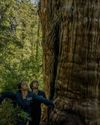
Old trees key to resilience
Study finds mature trees trump youthful ones
1 min
May 2026
BBC Wildlife
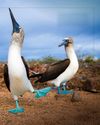
ONE STEP BEYOND
There's a lot more to these quirky seabirds than their eye-catching limbs
2 mins
May 2026
BBC Wildlife
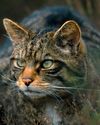
RETURN OF A LEGEND
Once teetering on the very brink of extinction, the elusive Scottish wildcat is prowling the Highlands once more, thanks to a bit of help
7 mins
May 2026
BBC Wildlife
Urban scavengers help curb carbon
New study reveals the extent of emissions saved as city animals feast on food waste
2 mins
May 2026
BBC Wildlife
Merlin on the brink
The diminutive raptor is one of many species facing extinction in Britain, suggests new report
1 mins
May 2026
Listen
Translate
Change font size