Are new laws a threat to nature?
BBC Wildlife
|August 2025
New legislation to tackle river pollution could bring with it a whole new set of problems
-
UNLESS YOU'VE BEEN LIVING ON Mars for the past five years, you will know there is a problem with excess nutrients - well, pollution - in Britain's rivers. The vast majority of this is down to agricultural runoff of fertilisers and livestock manure (cattle slurry, for example, though chicken dung is a big issue for some rivers such as the Wye). But a small yet important contribution comes from human waste, too. Of course, that's largely down to the failure of our water companies to upgrade their infrastructure, but legislation currently going through parliament is intended to resolve the problem of what we do about new houses that create an additional burden on our creaking sewage system.
Here's the basic idea. A new home brings in more people. They create more waste that could - say, after heavy rain - end up being discharged through a combined sewage overflow into a river, rather than passing through a treatment plant as it ought to.
Proposals in the Planning and Infrastructure Bill (PIB) will require house builders in designated protected areas to pay into a kind of communal kitty called the Nature Restoration Fund. This kitty money will then be used to reduce the overall nutrient load going into the catchment by, for example, creating wetlands that act as a filter for runoff, stopping nutrients such as phosphorus and nitrates going further into the freshwater system. Wetlands are great for wildlife and store carbon, too, so this is a brilliant way to address the issue.
The government has partly been forced into taking action because this issue of human waste is stopping developers from starting work on somewhere between 100,000 and 160,000 homes - which is nearly 10 per cent of Labour's manifesto pledge of building 1.5 million houses by the end of this parliament.

Diese Geschichte stammt aus der August 2025-Ausgabe von BBC Wildlife.
Abonnieren Sie Magzter GOLD, um auf Tausende kuratierter Premium-Geschichten und über 9.000 Zeitschriften und Zeitungen zuzugreifen.
Sie sind bereits Abonnent? Anmelden
WEITERE GESCHICHTEN VON BBC Wildlife
BBC Wildlife
"I was terrified the elephant would ram us"
African elephant in Kenya

2 mins
January 2026
BBC Wildlife
ALL YOU EVER NEEDED TO KNOW ABOUT THE Fennec fox
THE FENNEC FOX IS THE SMALLEST fox in the world, with a body length that can be as little as 24cm.
3 mins
January 2026
BBC Wildlife
INTO THE PLASTISPHERE
A unique synthetic ecosystem is evolving in our oceans – welcome to the plastisphere
7 mins
January 2026
BBC Wildlife
“More than half of all animal life exists in a parasitic relationship, and all life lives in symbiosis”
Our survival depends on species evolving to live together - but some relationships take dark turns
7 mins
January 2026
BBC Wildlife
Are animals able to dream?
SLEEP IS A MYSTERIOUS THING. FOR A long time, we weren't sure why we do it.
1 mins
January 2026
BBC Wildlife
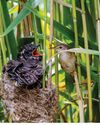
Does a cuckoo know it's a cuckoo?
ABSURD LITTLE BIRDS ACROSS THE world lay their eggs in the nests of other species, leaving the hapless parents to raise a changeling at the expense of their own offspring.
2 mins
January 2026
BBC Wildlife
Orcas killing young sharks
Juvenile great whites are easy prey for orca pod
1 mins
January 2026
BBC Wildlife
Ocean goes on tour
Acclaimed film touring the UK, backed by live orchestra and choir
1 min
January 2026
BBC Wildlife
Feisty bats hunt like lions
Winged mammals use a 'hang and wait' strategy to take down large prey
1 mins
January 2026

BBC Wildlife
SNAP-CHAT
Richard Birchett on magical merlins, wily coyotes and charging deer
2 mins
January 2026
Listen
Translate
Change font size