Intentar ORO - Gratis
WILL WE WORK IN THE FUTURE?
BBC Focus - Science & Technology
|Summer 2021
A job is an important part of how we find happiness in our lives (even if we don’t always enjoy the work). But what if the machines start doing everything for us? HELEN RUSSELL finds out if our working days are numbered

Back in 1930, the economist John Maynard Keynes predicted that with technological change and improvements in productivity, we’d only be working 15 hours a week by now. But while working hours have declined by 26 per cent, most of us still average 42.5 hours a week according to Eurostat figures.
One of the things Keynes underestimated is the human desire to compete with our peers – a drive that makes most of us work more than we need to. “We don’t measure productivity by how many acres we’ve harvested anymore, so the amount of time we spend working becomes a proxy,” says Alex Soojung-Kim Pang, visiting scholar at Stanford University and author of Rest: Why You Get More Done When You Work Less. “Overwork as a choice, as opposed to slaving away for subsistence wages, has been part of Western society since the Industrial Revolution when some predicted that automation would create an ‘excess’ of leisure time. Needless to say, that didn’t happen.”

Esta historia es de la edición Summer 2021 de BBC Focus - Science & Technology.
Suscríbete a Magzter GOLD para acceder a miles de historias premium seleccionadas y a más de 9000 revistas y periódicos.
¿Ya eres suscriptor? Iniciar sesión
MÁS HISTORIAS DE BBC Focus - Science & Technology

BBC Science Focus
DOES MY DOG HAVE ADHD?
Officially, Attention-Deficit Hyperactivity Disorder (ADHD) is a human condition. People are diagnosed with it. Dogs are not. Yet many of its core features, including hyperactivity, impulsivity and distractibility, can be found in dogs.

1 min
March 2026
BBC Science Focus
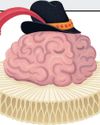
DOES MY BRAIN LIVE A LITTLE IN THE PAST?
Yes, your brain does live a little in the past. It can't help it. The information it receives via your senses is always a little out of date. Whether it's light entering the retinas in your eyes, or sounds vibrating the hairs in your ears, it not only takes time for the data to arrive, but your brain then has to process it.
2 mins
March 2026
BBC Science Focus
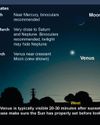
ASTRONOMY FOR BEGINNERS
RETURN OF THE EVENING STAR (VENUS)
1 mins
March 2026

BBC Science Focus
CAN YOU STOP YOUR SENSE OF TASTE DULLING AS YOU AGE?
Sometimes I hear people say that food just doesn't taste the same as they get older. It's tempting to blame this on age, but there are other factors at play, too.
1 mins
March 2026
BBC Science Focus
MICROBIOMES OF THE SUPERAGERS
BY STUDYING THE INCREASING NUMBER OF PEOPLE WHO ARE LIVING BEYOND THEIR 100TH BIRTHDAYS, SCIENTISTS ARE DISCOVERING THAT THE SECRET TO REACHING A RIPE OLD AGE IN RUDE HEALTH MIGHT LIE IN OUR GUTS
8 mins
March 2026

BBC Science Focus
HOW BIG WERE MEDIEVAL WAR HORSES?
You might picture knights charging into battle on towering steeds, but medieval horses were typically no bigger than modern-day ponies.
1 min
March 2026
BBC Science Focus
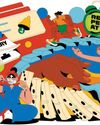
FORCES OF HABIT
Could new research on setting up healthy habits resuscitate those stuttering New Year resolutions?
3 mins
March 2026

BBC Science Focus
5 DANGERS HIDING IN YOUR PROCESSED FOOD
We all know that ultra-processed foods are bad for us, but what ingredients should we particularly try to avoid? And what are they doing to our bodies?
9 mins
March 2026
BBC Science Focus
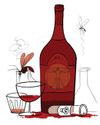
Mosquitoes are becoming thirstier for human blood
Habitat loss may be pushing mosquitoes towards human hosts with deadly consequences
1 mins
March 2026

BBC Science Focus
HOW CAN I GET OVER MY EX?
Relationship breakups can be brutal, just look at the popularity of songs like 'Someone Like You' by Adele, or all the covers of 'Cry Me a River' by Julie London.
1 mins
March 2026
Translate
Change font size