
Vuélvete ilimitado con Magzter GOLD
Obtenga acceso ilimitado a más de 9000 revistas, periódicos e historias Premium por solo
Intentar ORO - Gratis
THE ROMAN ARMY
History of War
|Issue 106, 2022
The legions in Britain helped Romanise the remote province and guarded its northern border
-

Like elsewhere in the territories controlled by the Roman Empire, the soldiers in Britannia were sorted into legions and subordinate auxiliary units. The former were composed of roughly 5,500 Roman citizens, almost all of whom were infantry and had joined for a fixed 25-year term of service.
The legionaries were then supplemented by numerous units of auxiliaries, which were made up of non-citizens drawn from the many non-roman peoples around the empire. However, at the end of their terms of service the lower-paid auxiliaries were entitled to Roman citizenship. By the middle of the 2nd century CE, there were around 40,000 auxiliaries in Britain alone, garrisoned all over the province, and auxiliary horsemen comprised a large proportion of the cavalry.
Three legions provided the bulk of the Roman legionary presence in Britain during the 1st and 2nd centuries CE: II Augusta, VI Victrix and XX Valeria Victrix. The legions had their main bases at Isca (II Augusta; Caerleon, Wales), Deva (XX Valeria Victrix; Chester, England) and Eboracum (VI Victrix; York, England), with each fortress strategically placed to enable the Romans to control the surrounding territory.
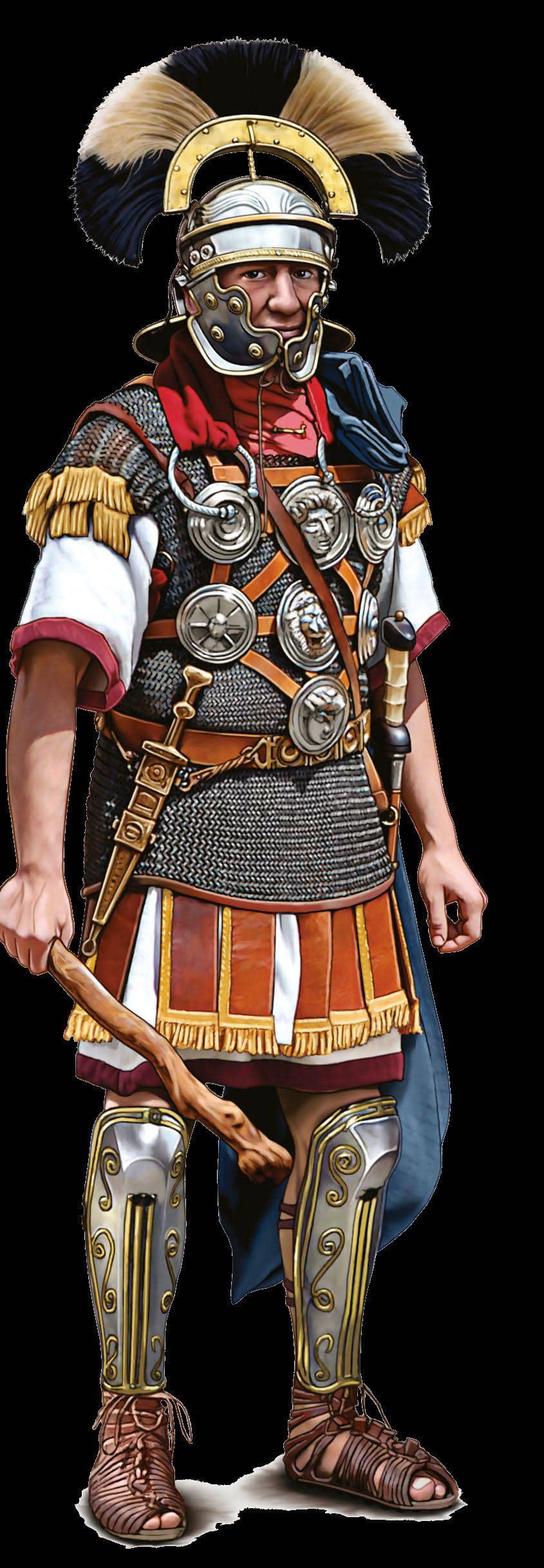
Britannia was knit together by sturdy, Roman-built roads that linked the army’s many bases and made movement across the province faster and easier. The presence of the legions helped to speed the process of Romanisation in Britain, as they were often equipped with cutting-edge facilities. For example, legionary fortresses contained heated baths, which were popular among Roman soldiers and civilians alike.
Protecting the border
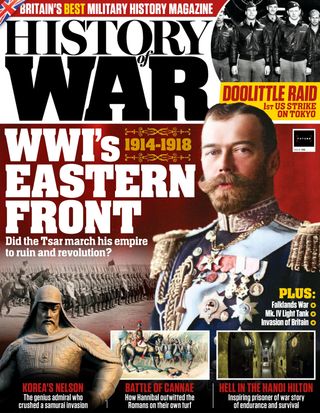

Esta historia es de la edición Issue 106, 2022 de History of War.
Suscríbete a Magzter GOLD para acceder a miles de historias premium seleccionadas y a más de 9000 revistas y periódicos.
¿Ya eres suscriptor? Iniciar sesión
MÁS HISTORIAS DE History of War
History of War
HOW TO BUILD A SPITFIRE
AN ABSORBING TALE OF ONE MAN'S OBSESSION TO BUILD A FULL-SIZE REPLICA SPITFIRE IN HIS GARDEN JUXTAPOSED AGAINST REAL STORIES OF BUILDING SPITFIRES AND THE MEN WHO FLEW THEM

2 mins
Issue 154
History of War
THE AIRLIFT
VICTORIES, MYTHS, AND THE BERLIN BLOCKADE
3 mins
Issue 154

History of War
WITH SPANNERS DESCENDING
Discover the essential role of British Army engineers during Second World War airborne operations
1 min
Issue 154
History of War
HOMEMADE EOKA FLAG
Breaking a ban enforced during the Cyprus Emergency, this flag compared the Cypriot fight against the British Empire to the Greek War of Independence against the Ottoman Empire
1 mins
Issue 154

History of War
SPIES, LIES AND DECEPTION
Introduce your children to over a century of spying as the Imperial War Museum's exhibition on espionage comes to Manchester
1 mins
Issue 154
History of War
DESERT DAREDEVIL
Scientist, explorer and a pioneer of special forces warfare – Ralph Bagnold was responsible for creating a crack unit during WWII
9 mins
Issue 154
History of War
OBJECTS IN FOCUS: VE/VJ DAY
The Royal Armouries Museum's new display commemorates the individuals and weapons who fought in the Pacific during WWII's final months
1 min
Issue 154
History of War
1945 - THE RECKONING WAR, EMPIRE AND THE STRUGGLE FOR A NEW WORLD
THIS EXAMINATION OF WHAT THE END OF WWII MEANT FOR THE BRITISH, DUTCH AND FRENCH EMPIRES POSES SOME UNCOMFORTABLE QUESTIONS
2 mins
Issue 154
History of War
POINTE DU HOC
During D-Day's toughest mission, US Rangers stormed an artillery position between Omaha and Utah beaches, before holding out against two nights of counterattacks
10 mins
Issue 154
History of War
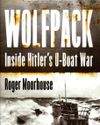
WOLFPACK- INSIDE HITLER'S U-BOAT WAR
GET A TASTE OF THE FEAR, TENSION AND 'DEATH OR GLORY' LIFE OF GERMANY'S SUBMARINE CREWS
1 min
Issue 154
Translate
Change font size