
Gå ubegrenset med Magzter GOLD
Få ubegrenset tilgang til over 9000 magasiner, aviser og premiumhistorier for bare
THE ROMAN ARMY
History of War
|Issue 106, 2022
The legions in Britain helped Romanise the remote province and guarded its northern border
-

Like elsewhere in the territories controlled by the Roman Empire, the soldiers in Britannia were sorted into legions and subordinate auxiliary units. The former were composed of roughly 5,500 Roman citizens, almost all of whom were infantry and had joined for a fixed 25-year term of service.
The legionaries were then supplemented by numerous units of auxiliaries, which were made up of non-citizens drawn from the many non-roman peoples around the empire. However, at the end of their terms of service the lower-paid auxiliaries were entitled to Roman citizenship. By the middle of the 2nd century CE, there were around 40,000 auxiliaries in Britain alone, garrisoned all over the province, and auxiliary horsemen comprised a large proportion of the cavalry.
Three legions provided the bulk of the Roman legionary presence in Britain during the 1st and 2nd centuries CE: II Augusta, VI Victrix and XX Valeria Victrix. The legions had their main bases at Isca (II Augusta; Caerleon, Wales), Deva (XX Valeria Victrix; Chester, England) and Eboracum (VI Victrix; York, England), with each fortress strategically placed to enable the Romans to control the surrounding territory.
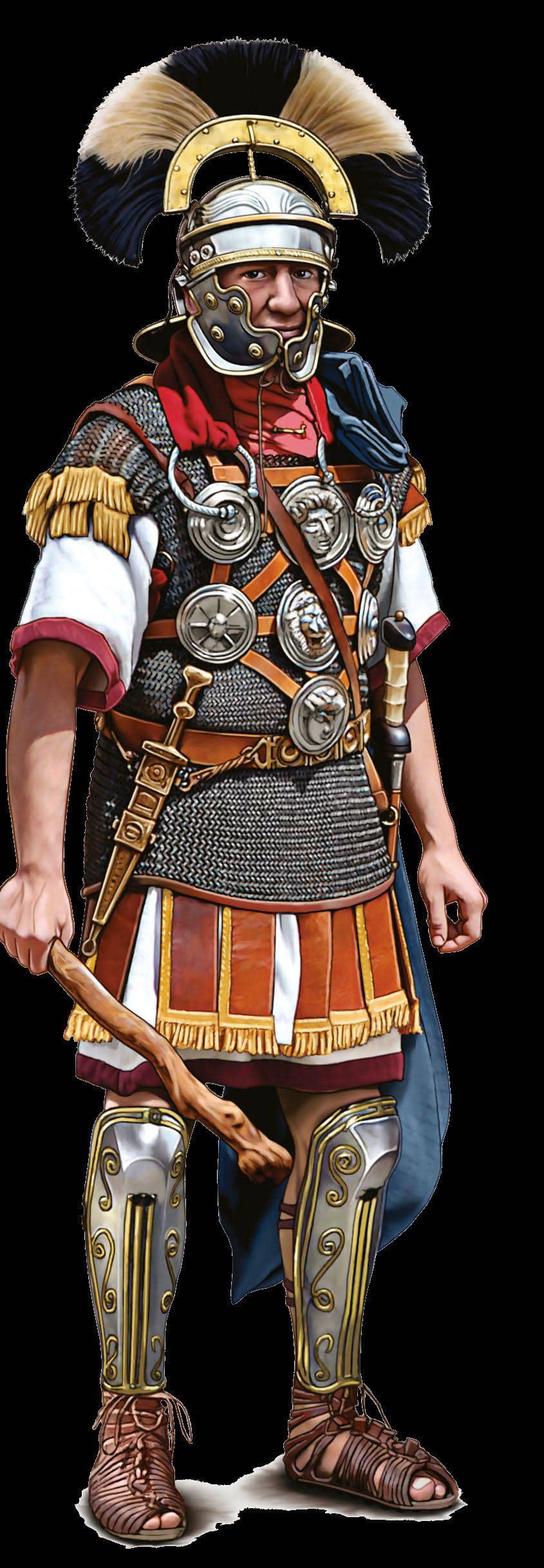
Britannia was knit together by sturdy, Roman-built roads that linked the army’s many bases and made movement across the province faster and easier. The presence of the legions helped to speed the process of Romanisation in Britain, as they were often equipped with cutting-edge facilities. For example, legionary fortresses contained heated baths, which were popular among Roman soldiers and civilians alike.
Protecting the border

Denne historien er fra Issue 106, 2022-utgaven av History of War.
Abonner på Magzter GOLD for å få tilgang til tusenvis av kuraterte premiumhistorier og over 9000 magasiner og aviser.
Allerede abonnent? Logg på
FLERE HISTORIER FRA History of War

History of War
MORE MISS MONEYPENNY THAN MATA HARI WOMEN SPIES THROUGHOUT THE DECADES
THEY LOOKED LIKE ORDINARY HOUSEWIVES, MOTHERS AND SECRETARIES IN SENSIBLE CLOTHES AND STURDY SHOES. BUT THESE INNOCUOUS WOMEN WERE EMBARKED ON COURAGEOUS AND OFTEN TREACHEROUS MISSIONS AS SECRET AGENTS

4 mins
Issue 153
History of War
THE END OF GREAT POWERS
Full-spectrum analysis of a state's economy, technology, leadership, society and alliances could be a superior way of predicting battlefield performance
3 mins
Issue 153
History of War
THE BATTLE OF JERUSALEM 9 JANUARY - 11 DECEMBER 1917
During a campaign that lasted nearly a year, British and Arab forces defeated the Ottoman Turks and entered the ancient city
7 mins
Issue 153
History of War
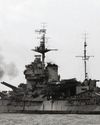
QUEEN ELIZABETH CLASS BATTLESHIP
These five super-dreadnoughts set the standard for early 20th century warship design in speed, firepower and protection and were the first fast battleships of the age
4 mins
Issue 153
History of War
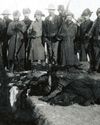
THE MASSACRE AT WOUNDED KNEE
In 1890, US troops killed more than 250 Lakota, at a location that remains the focus of resistance and dark controversy
10 mins
Issue 153
History of War
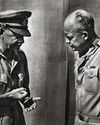
BORN IN NORTH AFRICA
HOW THE TUNISIA CAMPAIGN FORGED THE 'SPECIAL RELATIONSHIP'
3 mins
Issue 153
History of War
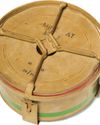
ANTI-TANK MINE
This lightweight General Service Mk V device could immobilise Hitler's heavy tanks and was used during fighting in Northwest Europe
1 mins
Issue 153
History of War
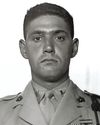
HEROES OF THE MEDAL OF HONOR BALDOMERO LOPEZ
During the daring landings at Inchon in 1950, this first lieutenant sacrificed his life to save his US Marine comrades
6 mins
Issue 153
History of War
NORTH KOREA'S ROCKET REVOLUTION
After the peninsula was divided by a long-term ceasefire, Pyongyang and Seoul raced to build weapons that could obliterate each other
4 mins
Issue 153
History of War
THE GREAT TRAIN RAID THE MOST DARING SAS MISSION OF WWII
DAMIEN LEWIS' LATEST SAS ADVENTURE IS CHARACTERISTICALLY FAST-PACED AND ACTION-PACKED
2 mins
Issue 153
Translate
Change font size