Intentar ORO - Gratis
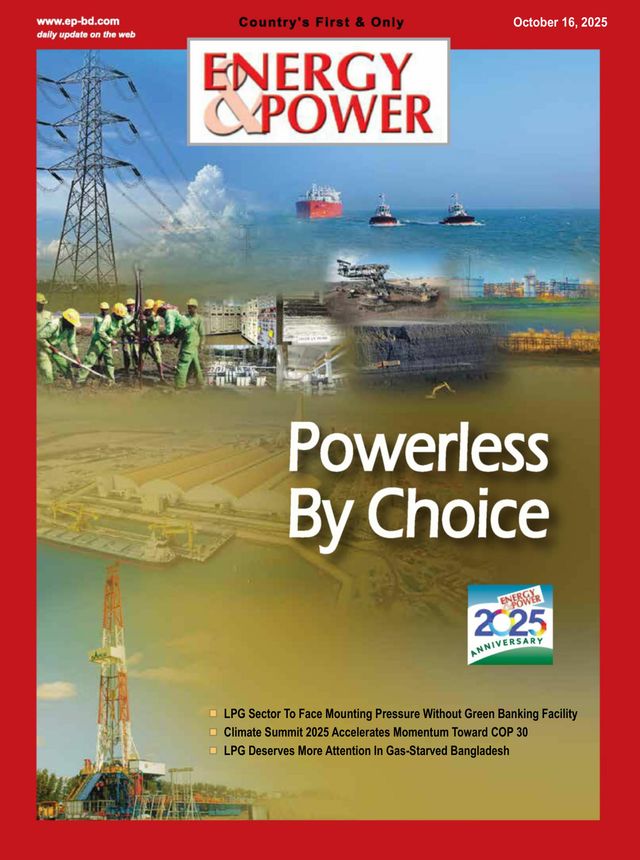
Energy & Power - EP_23_09 (Energy & Power Vol 23 Issue 9 October 16, 2025 Anniversary Issue)
Vuélvete ilimitado con Magzter GOLD
Leer Energy & Power junto con más de 9000 revistas y periódicos con una sola suscripción
Ver catálogoSuscríbete sólo a Energy & Power
Cancelar en cualquier momento.
(Sin compromisos) ⓘSi no estás satisfecho con tu suscripción, puedes enviarnos un correo electrónico a help@magzter.com dentro de los 7 días posteriores a la fecha de inicio de la suscripción para recibir un reembolso completo. ¡Sin preguntas, lo prometemos! (Nota: No se aplica a compras de números individuales)
Suscripción digital
Acceso instantáneo ⓘSuscríbete ahora para comenzar a leer instantáneamente en el sitio web de Magzter, iOS, Android y las aplicaciones de Amazon.
En este número
Bangladesh’s deepening energy crisis is not due to a lack of resources but a lack of resolve. For over two decades, governments have avoided tough decisions on exploring domestic gas and coal reserves or investing seriously in renewable energy. The result is alarming: the country now relies on imports for about 65 percent of its total energy, leaving the economy at the mercy of global price swings and supply disruptions. Experts warn that Bangladesh may have to spend US$22–24 billion annually just to pay for imported energy, a burden that could strain the economy and weaken its competitiveness. Yet the pattern remains unchanged. Since 2018, US$18 billion has gone into importing LNG, while exploration at home has received less than US$1.0 billion in five decades. The same story continues with coal: while 18 million tonnes are imported annually, no political decision has been made in 20 years to mine local reserves—though doing so could cut power costs by up to 40 percent. This policy drift has left industries struggling with unreliable power, rising costs, and shrinking margins. It is not a technical failure but a political one, a paralysis born of short-term thinking. If leaders fail to act, the nation risks what experts call an “energy famine”. Bangladesh urgently needs a clear, long-term vision built on domestic resources, renewable energy, and efficient import planning. Energy security is not optional; it is the foundation of economic independence and a sustainable future.




















Energy & Power Description:
Energy & Power (EP) is the first and only full-fledged fortnightly magazine that deals with the much cried over energy and power sector in Bangladesh. Since its inception in June 16, 2003, EP is working very hard to
a) Develop public consciousness on sustainable and even development of energy sector;
b) Assist the policy makers in assuming pragmatic policies for a balanced development of the energy sector;
c) Continuous supply of information among public; and
d) Develop a group of reporters in this field
Bangladesh is an energy deficit country like other countries in the region and most of the people do not have adequate access to the energy and power. The country is completely dependent on fossil energy source; at the same time, it is one of the most inefficient energy using countries in the world.
It lacks efficiency in planning, management, generation, distribution, load management and even at the end user level consumption.
In spite of the above drawbacks, issues relating to utilization of renewable energy, exploring alternative use of energy, planned use of environment friendly energy are significantly undermined in Bangladesh.
The biggest challenge of Bangladesh is to find a path for balanced growth of its energy sector. Despite its resource constraints, EP dynamically strives to provide theenergy sector with a flow of information and create public awareness; so that policymakers get guidelines and platforms for its sustainable development.
Code of Ethics
EP believes that public enlightenment is the forerunner of justice and the foundation of democracy. The duty of a journalist is to further those ends by seeking truth and providing a fair and comprehensive account of events and issues and professional integrity is the cornerstone of a journalist's credibility. We strive to serve the public with thoroughness and honesty.
The EP editorial policy is to share a dedication to ethical behavior and uphold the zero conflict of interest principles and highest standards of practice.
EP believes in
o Seeking truth and reporting the same
o Minimize harm
Ediciones recientes
EP_23_16 (Energy & Power Vol 23 Issue 16 Feb 1, 2026)
EP_23_15 (Energy & Power Vol 23 Issue 15 January 16, 2026)
EP_23_13 (Energy & Power Vol 23 Issue 13 December 16, 2025)
EP_23_12 (Energy & Power Vol 22 Issue 12 December 1, 2025)
EP_23_11 (Energy & Power Vol 23 Issue 11 November 16, 2025)
EP_23_08 (Energy & Power Vol 23 Issue 8 October 1, 2025)
EP_23_07 (Energy & Power Vol 23 Issue 7 September 16, 2025)
EP_23_06 (Energy & Power Vol 23 Issue 6 September 1, 2025)
EP_23_05 (Energy & Power Vol 23 Issue 5 August 16, 2025)
EP_23_04 (Energy & Power Vol 23 Issue 04 August 1, 2025)
EP_23_03 (Energy & Power Vol 23 Issue 03 July 16, 2025)
EP_23_02 (Energy & Power Vol 23 Issue 02 July 1, 2025)
EP_23_01 (Energy & Power Vol 23 Issue 03 June 16, 2025)
EP_22_24 (Energy & Power Vol 22 Issue 24 June 1, 2024)
EP_21_23 (Energy & Power Vol 22 Issue 23 May 16, 2025)
EP_22_22 (Energy & Power Vol 22 Issue 22 May 1, 2025)
EP_22_21 (Energy & Power Vol 21 Issue 21 April 16, 2025)

EP_22_20 (Energy & Power Vol 22 Issue 20 April 1, 2025)
EP_22_19 (Energy & Power Vol 22 Issue 19 March 16, 2025)
EP_22_18 (Energy & Power Vol 22 Issue 17 March 1, 2025)
EP_22_17 (Energy & Power Vol 22 Issue 17 Feb 16, 2025)
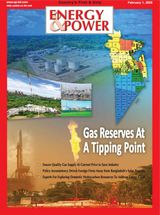
EP_22_16 (Energy & Power Vol 21 Issue 16 Feb 1, 2025)

EP_22_15 (Energy & Power Vol 22 Issue 15 Jan 16, 2025)

EP_22_14 (Energy & Power Vol 22 Issue 14 January 1, 2025)

EP_22_13 (Energy & Power Vol 22 Issue 13 December 16, 2024)
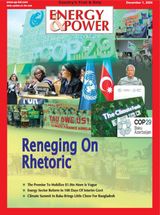
EP_22_12 (Energy & Power Vol 22 Issue 12 December 1, 2024)
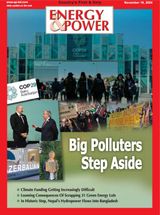
EP_22_11 (Energy & Power Vol 22 Issue 11 November 16, 2024)
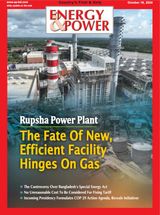
EP_22_09 (Energy & Power Vol 22 Issue 9 October 16, 2024)
EP_22_08 (Energy & Power Vol 21 Issue 8 October 1, 2024)
EP_22_07 (Energy & Power Vol 22 Issue 7 September 16, 2023)
Ediciones especiales
EP_23_14 (Energy & Power Vol 23 Issue 13 January 1, 2026)
EP_23_10 (Energy & Power Vol 23 Issue 10- COP30 Special - November 1, 2025)
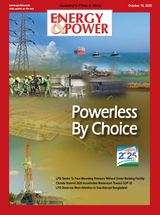
EP_23_09 (Energy & Power Vol 23 Issue 9 October 16, 2025 Anniversary Issue)
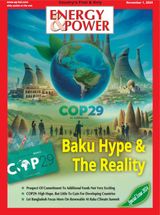
EP_22_10 (Energy & Power Vol 21 Issue 10 November 1, 2024)
August 16, 2023
June 16, 2016
Títulos relacionados
Newsweek US

Entrepreneur US

Fortune US

Fast Company

Inc.

Business Traveler US

CODE Magazine

TradersWorld

PEN WORLD

Writer’s Digest

Farming Magazine

Truck N Trailer

Central Florida Ag News

F-Series Builders Guide

C10 Builders Guide

IssueWire

The Blueberry News

Swan

Best of DC

NEW ACCOUNTANT INTERNATIONAL EDITION

SUCCESS magazine

FemFounder

Book Dealers World

B2B Magazine

Speak For Wealth

Best of Omaha

TOP 100 Real Estate Brokers & Developers 2022 by Luxury Lifestyle Awards

Inventors Digest

The WOOL Book

Premier Flooring Retailer