
Go Unlimited with Magzter GOLD
Get unlimited access to 10,000+ magazines, newspapers and Premium stories for just
Try GOLD - Free
How many types of insect are there?
The Week Junior Science+Nature UK
|September 2025
Scientists estimate that insects make up 90% of all animal species.
-
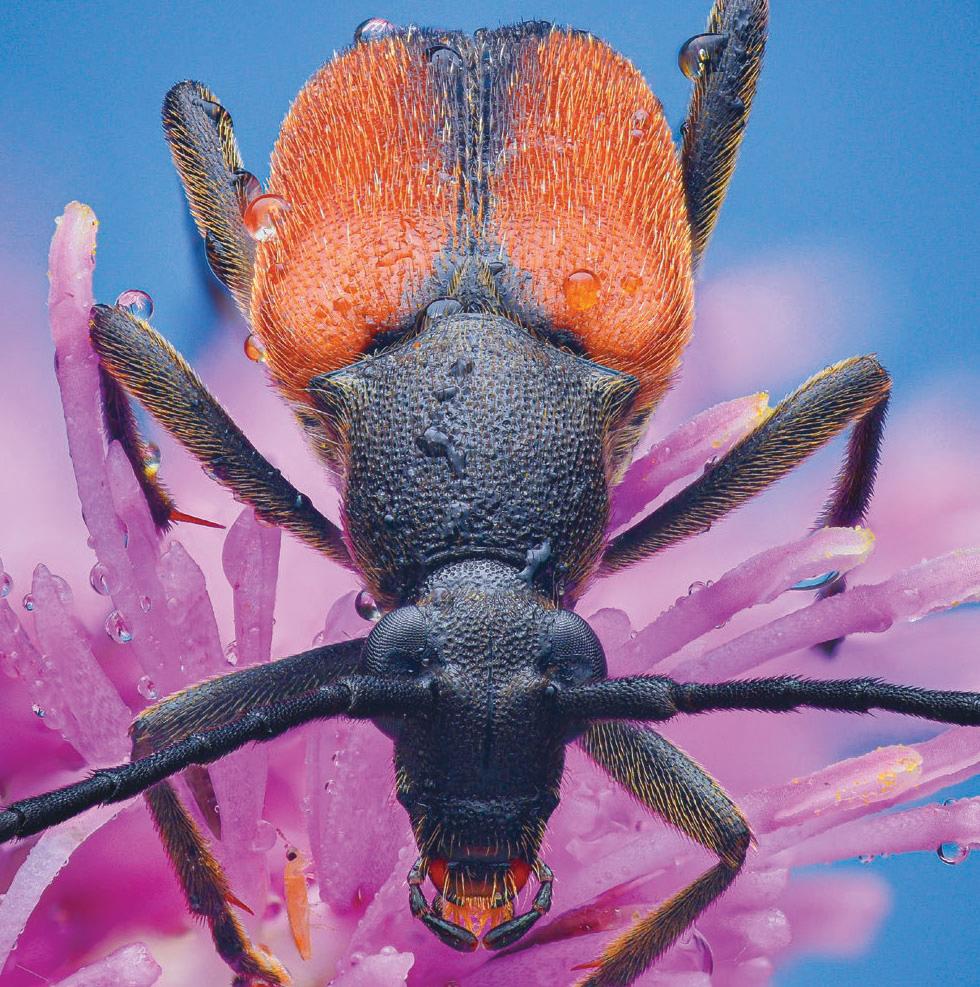
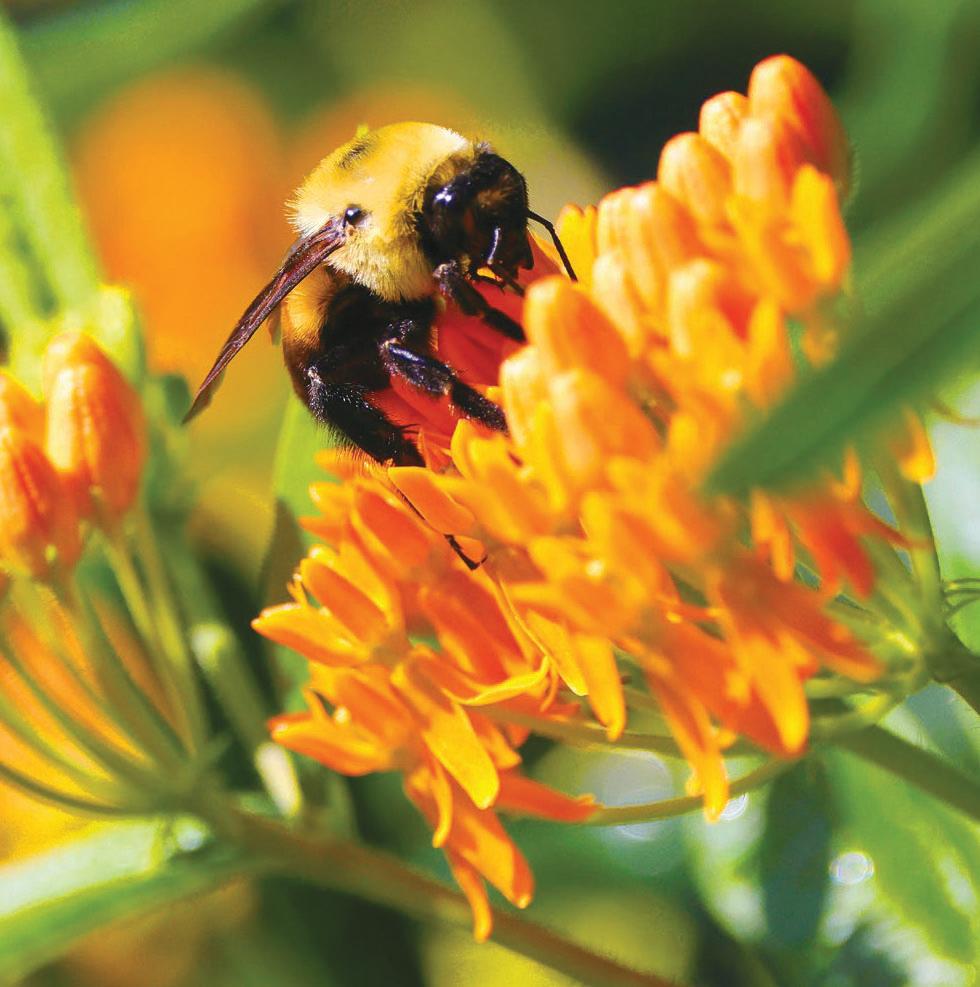
Wherever you explore on Earth, look closely and you'll find insects. Check your garden and you may see ants, beetles, crickets, wasps, mosquitos and many more minibeasts. There are more kinds of insect than there are mammals, birds and plants combined. This fact has fascinated scientists for centuries.
 Classifying life
One of the things biologists do is classify all living things into categories. Insects belong to a phylum (a large group of related creatures) called Arthropoda – animals with hard exoskeletons and jointed feet. All insects are arthropods, but not all arthropods are insects. For instance, spiders, lobsters and millipedes are arthropods, but they're not insects.
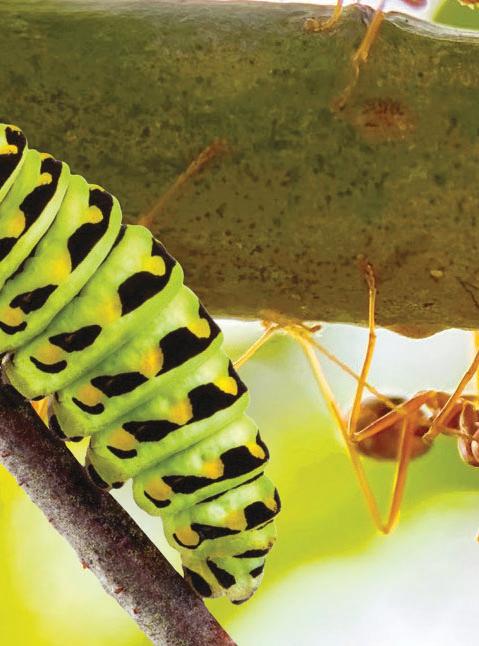 Instead, insects are a subgroup of arthropods, a class called Insecta. All the animals in this class have six legs, two antennae and three body segments – head, abdomen and the thorax (the part of the body between the head and abdomen). Most insects also have wings, although a few, like fleas, don't. All have compound eyes, which means that instead of one lens per eye, they have many. A dragonfly’s eye, for instance, has 30,000 lenses. These types of eyes, though not great for clarity, are excellent at detecting movement.

This story is from the September 2025 edition of The Week Junior Science+Nature UK.
Subscribe to Magzter GOLD to access thousands of curated premium stories, and 10,000+ magazines and newspapers.
Already a subscriber? Sign In
MORE STORIES FROM The Week Junior Science+Nature UK
The Week Junior Science+Nature UK
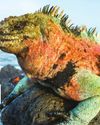
ANIMAL ISLANDS
Hop aboard as Daisy Dobrijevic sets sail to discover the world's most unusual beasts.

5 mins
March 2026

The Week Junior Science+Nature UK
Wildlife watch
Take a walk on the wild side with Jenny Ackland.
1 mins
March 2026

The Week Junior Science+Nature UK
Pushmeet Kohli
Meet the tech genius who trains the smart computers that are changing your world.
3 mins
March 2026

The Week Junior Science+Nature UK
New map reveals secrets hidden under Antarctic ice
A new map of Antarctica has A revealed thousands of hills Are revealed thousands of hills and valleys buried under its thick layers of ice.
1 min
March 2026

The Week Junior Science+Nature UK
Why do dolphins jump out of the water?
Discover what makes these graceful ocean mammals leap for joy.
2 mins
March 2026
The Week Junior Science+Nature UK
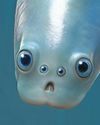
Ancient fish had four eves
Ancient vertebrates (animals that have backbones) had four eyes that worked a lot like ours, new research shows.
1 min
March 2026
The Week Junior Science+Nature UK
How? What? Why?
Set your curiosity free as Mike Rampton explains how asking questions changes the world.
5 mins
March 2026

The Week Junior Science+Nature UK
Bye-bye bitter grapefruits
Scientists have found a way to make grapefruits less bitter.
1 min
March 2026
The Week Junior Science+Nature UK
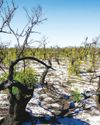
Spreading seeds of hope
Meet the scientists who are using drones to seed lost landscapes.
1 mins
March 2026

The Week Junior Science+Nature UK
Udderly brilliant cow seen using tools
A talented Austrian cow has shecked researchers by using both ends of a broom as a grooming tool.
1 min
March 2026
Listen
Translate
Change font size