
Go Unlimited with Magzter GOLD
Get unlimited access to 10,000+ magazines, newspapers and Premium stories for just
Try GOLD - Free
Finding the Titanic
The Week Junior Science+Nature UK
|September 2025
Relive the search for the “unsinkable ship" that sank and was lost in the ocean depths.
-
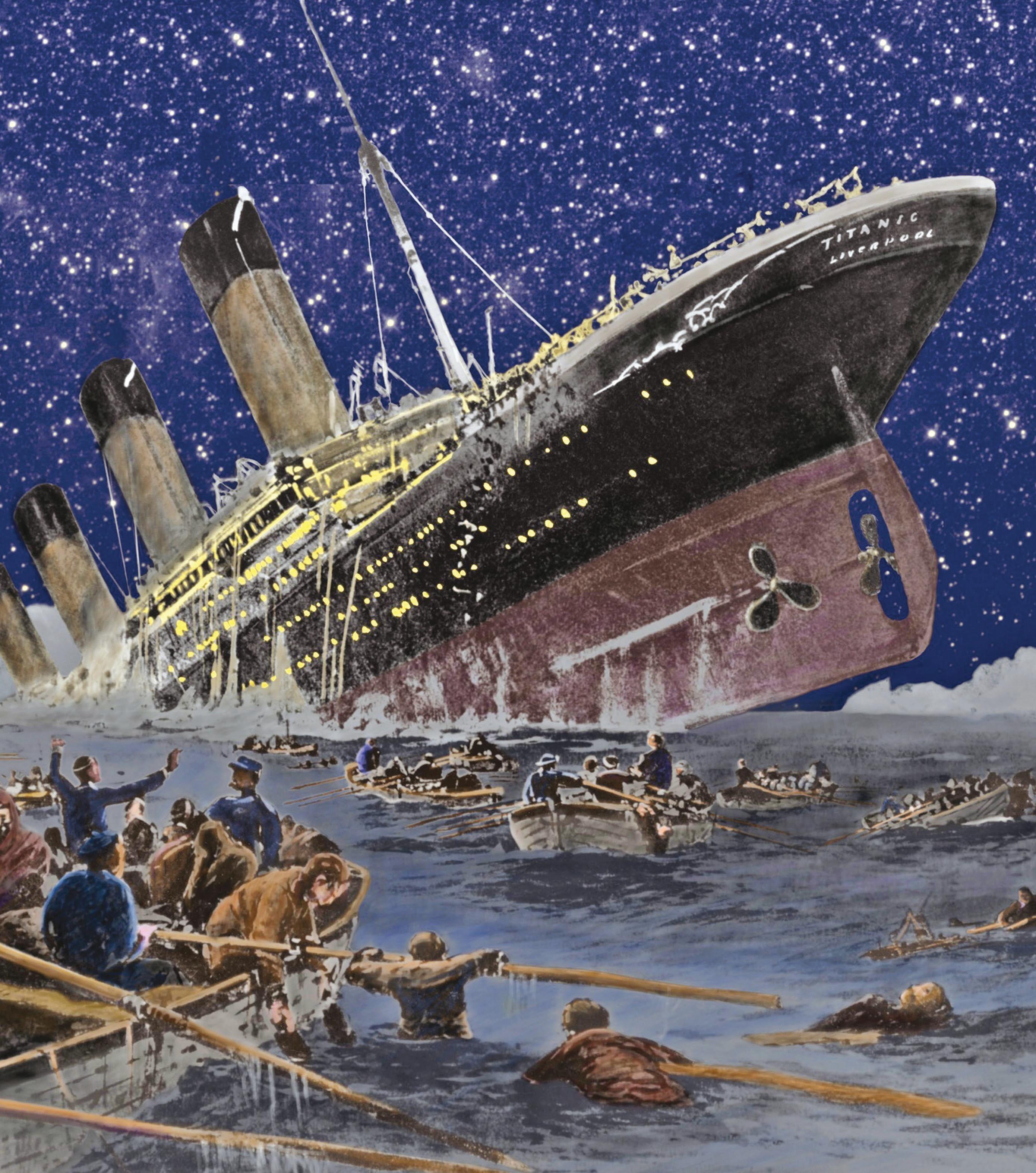
On 15 April 1912, a luxury passenger liner called the RMS Titanic - a ship that was thought to be unsinkable - sank to the bottom of the ocean after it crashed into an iceberg a few hundred miles off the coast of Canada. Around 1,500 of the passengers and crew lost their lives in the tragedy and just over 700 people survived.
 After the ship sank, lots of people hunted for the wreckage, but - for more than 70 years - all efforts failed. The largest passenger ship of its time seemed to have disappeared forever. Let's find out how the Titanic remained hidden for so long.
Tricky conditions
Many factors made the Titanic tricky to find. It went down in the North Atlantic, around 400 miles southeast of Newfoundland, Canada. The crew radioed SOS messages asking for help but, in the darkness and chaos, it may have been tricky to get an exact location.
The Bermuda Triangle


This story is from the September 2025 edition of The Week Junior Science+Nature UK.
Subscribe to Magzter GOLD to access thousands of curated premium stories, and 10,000+ magazines and newspapers.
Already a subscriber? Sign In
MORE STORIES FROM The Week Junior Science+Nature UK
The Week Junior Science+Nature UK
ANIMAL ISLANDS
Hop aboard as Daisy Dobrijevic sets sail to discover the world's most unusual beasts.

5 mins
March 2026

The Week Junior Science+Nature UK
Wildlife watch
Take a walk on the wild side with Jenny Ackland.
1 mins
March 2026

The Week Junior Science+Nature UK
Pushmeet Kohli
Meet the tech genius who trains the smart computers that are changing your world.
3 mins
March 2026

The Week Junior Science+Nature UK
New map reveals secrets hidden under Antarctic ice
A new map of Antarctica has A revealed thousands of hills Are revealed thousands of hills and valleys buried under its thick layers of ice.
1 min
March 2026
The Week Junior Science+Nature UK
Why do dolphins jump out of the water?
Discover what makes these graceful ocean mammals leap for joy.
2 mins
March 2026
The Week Junior Science+Nature UK
Ancient fish had four eves
Ancient vertebrates (animals that have backbones) had four eyes that worked a lot like ours, new research shows.
1 min
March 2026

The Week Junior Science+Nature UK
How? What? Why?
Set your curiosity free as Mike Rampton explains how asking questions changes the world.
5 mins
March 2026

The Week Junior Science+Nature UK
Bye-bye bitter grapefruits
Scientists have found a way to make grapefruits less bitter.
1 min
March 2026
The Week Junior Science+Nature UK
Spreading seeds of hope
Meet the scientists who are using drones to seed lost landscapes.
1 mins
March 2026

The Week Junior Science+Nature UK
Udderly brilliant cow seen using tools
A talented Austrian cow has shecked researchers by using both ends of a broom as a grooming tool.
1 min
March 2026
Listen
Translate
Change font size