Try GOLD - Free
WHAT ARE HEADACHES?
How It Works UK
|Issue 200
From shooting sensations to dull aches, we explore the many causes of pain around the brain

The term headache covers a great variety of symptoms. Some are mild, caused by bright lights or muscle tension. Others can be debilitating and erupt in a sudden attack. Almost everyone will experience a headache in their lifetime, and although they can be brought on by more serious conditions, usually they’re not overly worrisome.
There are more than 150 types of headaches, each categorised as primary or secondary. Primary headaches are those that aren’t caused by another medical condition. Instead, they are the result of physiology in the head – such as muscles and nerves – being over-used or not working as they typically would. For example, physical activity can cause exertion headaches, hunger headaches are caused by stress hormones from a drop in blood sugar and tension headaches are a result of knots in muscles in your head and neck.
Secondary headaches are a symptom of another condition. Dehydration and sinus infections can lead to a less severe form of secondary headache. But some secondary headaches are more painful and can be an indication of bleeding in the brain, a traumatic head injury or a sudden rise in blood pressure.
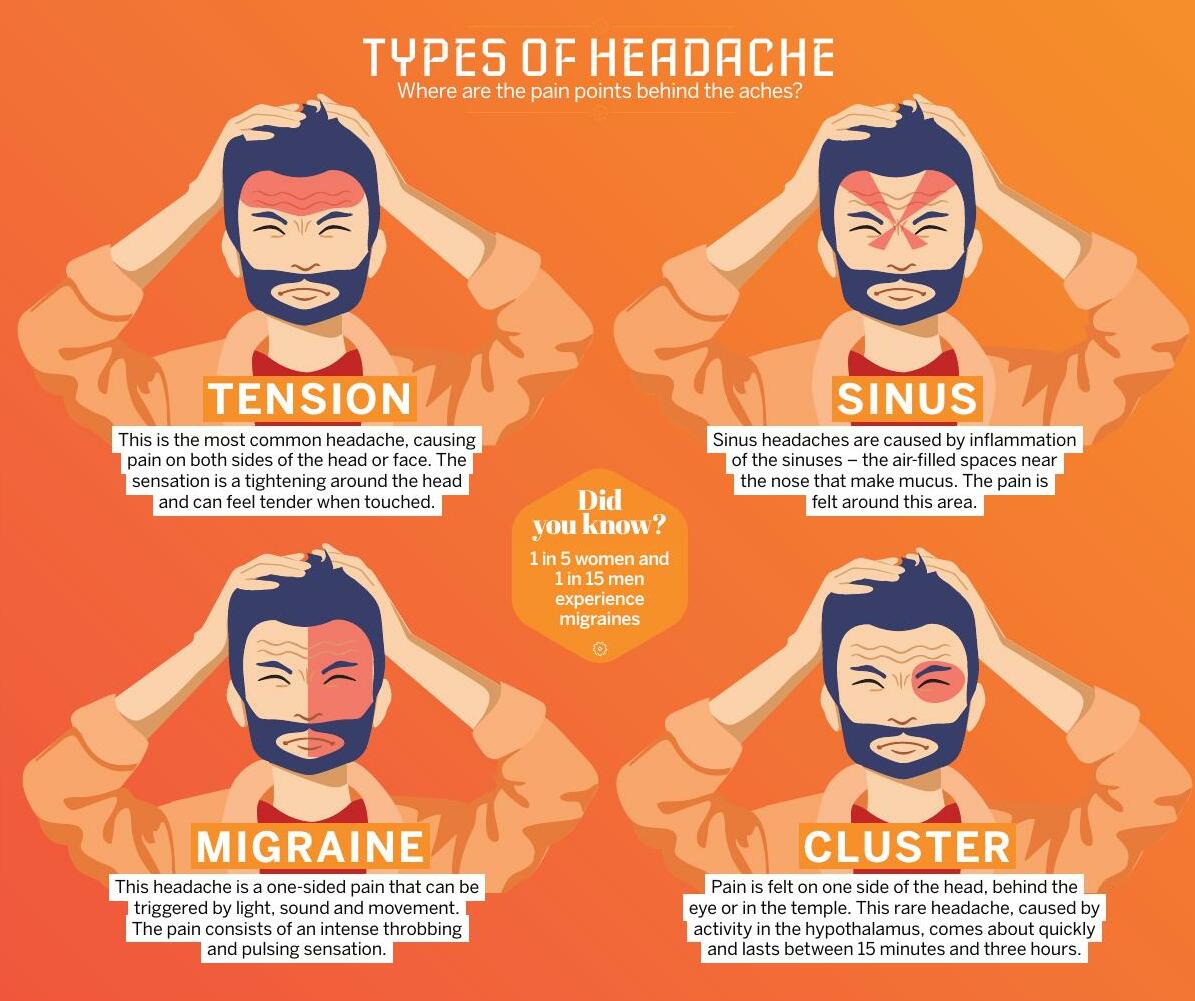 It is useful to know what symptoms are unusual in order to seek medical advice. If you have a sudden, new or especially painful headache, you should get it checked out. Other headaches with the potential to be more damaging are those that occur after a head injury, those accompanied with a fever or shortness of breath and headaches that are new to a person over the age of 55.
 NO-PAIN BRAIN
Nociceptors are the nerve endings that detect pain. There are none of these pain receptors in the brain, meaning that the organ itself doesn't feel pain. The brain can't directly sense damage to its own tissue.


This story is from the Issue 200 edition of How It Works UK.
Subscribe to Magzter GOLD to access thousands of curated premium stories, and 10,000+ magazines and newspapers.
Already a subscriber? Sign In
MORE STORIES FROM How It Works UK

How It Works UK
FORMULA FAST
YOUR ULTIMATE GUIDE TO FORMULA ONE RACING

1 mins
Issue 212

How It Works UK
MY LIFE AS AN ASTHMANAUT
A CHILDREN'S BOOK ABOUT ASTHMA
1 min
Issue 212

How It Works UK
LYDIA LOVES BUGS
A SHORT AND SWEET STORY OF AN ENTHUSIASTIC ENTOMOLOGIST
1 min
Issue 212

How It Works UK
INSIDE A DRONE
Drones aren't just for the military any more. These flying marvels are now taking over our lives
3 mins
Issue 212
How It Works UK
WE CAN HEAR WITHOUT EARS
AND OTHER THINGS YOU DIDN'T KNOW WE PLANTS COULD DO
1 min
Issue 212

How It Works UK
DO GEESE GET GOOSEBUMPS?
Many animals experience a similar reaction when they feel cold or scared
2 mins
Issue 212

How It Works UK
SUBMARINES WITHOUT SAILORS
Dive into the world of autonomous submarines and discover the mission that will see one sail around the world
4 mins
Issue 212

How It Works UK
WHAT HAPPENS INSIDE A COCOON?
How certain species of insects transform from crawling caterpillars to flying moths and butterflies
3 mins
Issue 212

How It Works UK
HOW THE ROSE LOST ITS SCENT
From floral to fragranceless, there's a biological reason behind a rose's missing odour today
3 mins
Issue 212
How It Works UK
How many insects have been discovered so far?
The total number of named species is around a million.
7 mins
Issue 212
Listen
Translate
Change font size