
Go Unlimited with Magzter GOLD
Get unlimited access to 10,000+ magazines, newspapers and Premium stories for just
Try GOLD - Free
TOUR GUIDE TO MARS
How It Works UK
|Issue 203
Pack your spacesuit and get ready to tick off the must-see sights of the Red Planet
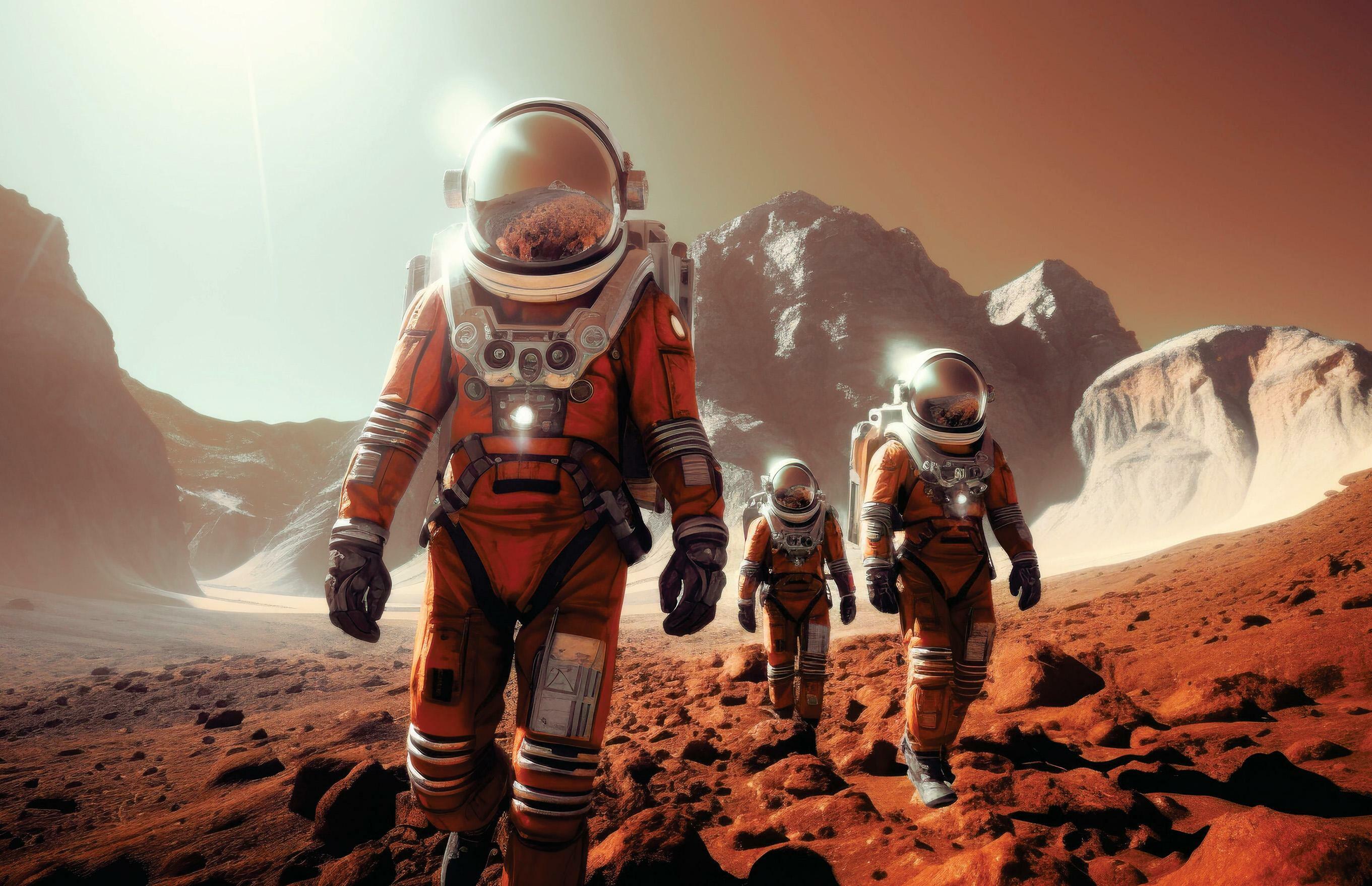
Mars tourism may be as distant a concept as the planet itself, but as scientists learn more about the Martian environment and space agencies tackle the technological hurdles required for space travel to Mars, the planet is becoming more reachable. We've sent dozens of robotic explorers to the Red Planet so far, and in the 2030s astronauts are set to follow them. Through rover exploration and research, scientists have discovered evidence that Mars had a much more hospitable environment in the past, which could have hosted life. It's one of the only celestial bodies we know of in the Solar System that once had liquid water on its surface, and so learning more about Mars can help us better understand our own planet.
The distance of a one-way trip to Mars can range from 34.8 to 250 million miles, depending on the location of the planets in their orbits. On average, a journey from Earth to Mars is 140 million miles. This is an extreme trip to embark on, yet when it comes to interplanetary travel, Mars is our next-door neighbour.
The Red Planet gets its name from its rusty, rocky landscape, which covers around 55.8 million square miles. Its colour is caused by the oxidisation of iron in the rocks. Its dusty desert environment can be extremely turbulent, with local and global dust storms known to last for more than a month. These occur once every three Martian years, equivalent to 5.5 Earth years. If you were to visit Mars in less stormy conditions with better visibility, there are many fascinating natural geological features to explore, many carved out by unconfirmed events in its past.

This story is from the Issue 203 edition of How It Works UK.
Subscribe to Magzter GOLD to access thousands of curated premium stories, and 10,000+ magazines and newspapers.
Already a subscriber? Sign In
MORE STORIES FROM How It Works UK

How It Works UK
FORMULA FAST
YOUR ULTIMATE GUIDE TO FORMULA ONE RACING

1 mins
Issue 212
How It Works UK
MY LIFE AS AN ASTHMANAUT
A CHILDREN'S BOOK ABOUT ASTHMA
1 min
Issue 212

How It Works UK
LYDIA LOVES BUGS
A SHORT AND SWEET STORY OF AN ENTHUSIASTIC ENTOMOLOGIST
1 min
Issue 212

How It Works UK
INSIDE A DRONE
Drones aren't just for the military any more. These flying marvels are now taking over our lives
3 mins
Issue 212

How It Works UK
WE CAN HEAR WITHOUT EARS
AND OTHER THINGS YOU DIDN'T KNOW WE PLANTS COULD DO
1 min
Issue 212

How It Works UK
DO GEESE GET GOOSEBUMPS?
Many animals experience a similar reaction when they feel cold or scared
2 mins
Issue 212
How It Works UK
SUBMARINES WITHOUT SAILORS
Dive into the world of autonomous submarines and discover the mission that will see one sail around the world
4 mins
Issue 212
How It Works UK
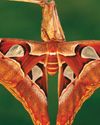
WHAT HAPPENS INSIDE A COCOON?
How certain species of insects transform from crawling caterpillars to flying moths and butterflies
3 mins
Issue 212

How It Works UK
HOW THE ROSE LOST ITS SCENT
From floral to fragranceless, there's a biological reason behind a rose's missing odour today
3 mins
Issue 212
How It Works UK
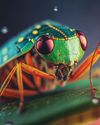
How many insects have been discovered so far?
The total number of named species is around a million.
7 mins
Issue 212
Listen
Translate
Change font size