Try GOLD - Free
MONSTERS OF THE DEEP
How It Works UK
|Issue 202
Dive deep below the ocean's surface to discover razor-mouth viperfish, animaleating sponges and other fearsome and fascinating creatures that lurk in the midnight depths
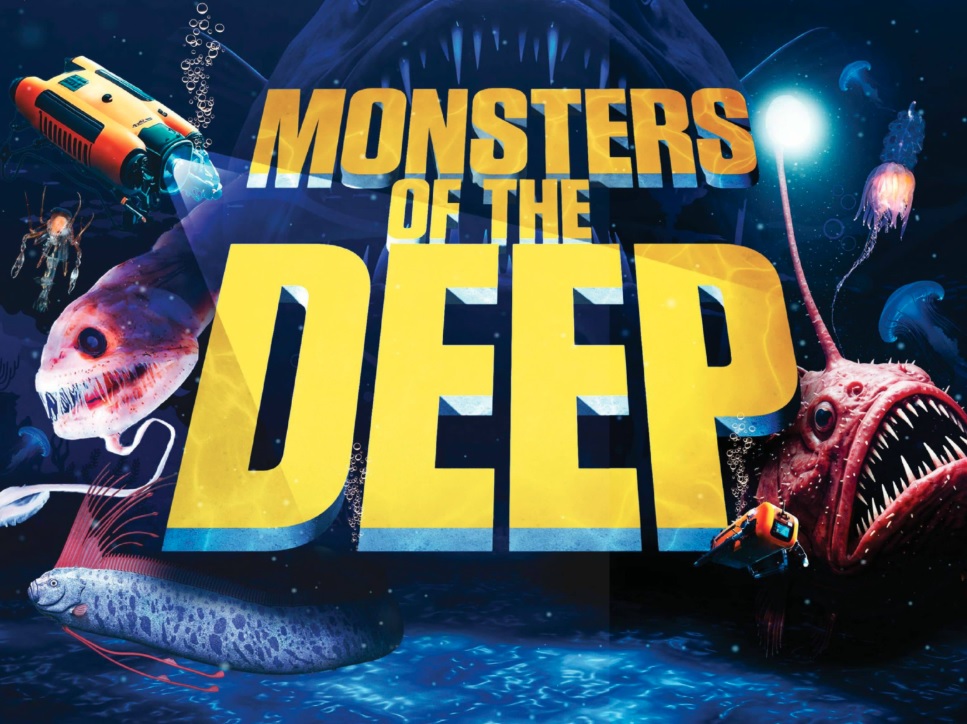
The unknown abyssal depths of the ocean and the creatures that dwell there have intrigued humanity for millennia. Once thought to be devoid of life, the last 200 years of ocean exploration have revealed the weird and wacky creatures that call the deep sea home. There's no official waypoint to separate the 'deep sea' from the rest of the ocean, though it's generally considered to begin at around 200 metres deep, where the water is starved of the Sun's light and warmth. The farther you descend through the water, the darker, colder and high in pressure the environment becomes. The ocean's depths are divided into different zones: the sunlight zone (0 to 200 metres), twilight zone (200 metres to 1,000 metres), midnight zone (1,000 metres to 4,000 metres), abyssal zone (4,000 metres to 6,000 metres) and the hadal zone (6,000 metres to the deepest known point in the ocean, 10,984 metres).
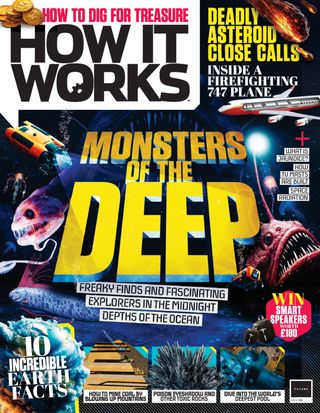

This story is from the Issue 202 edition of How It Works UK.
Subscribe to Magzter GOLD to access thousands of curated premium stories, and 10,000+ magazines and newspapers.
Already a subscriber? Sign In
MORE STORIES FROM How It Works UK

How It Works UK
FORMULA FAST
YOUR ULTIMATE GUIDE TO FORMULA ONE RACING

1 mins
Issue 212

How It Works UK
MY LIFE AS AN ASTHMANAUT
A CHILDREN'S BOOK ABOUT ASTHMA
1 min
Issue 212

How It Works UK
LYDIA LOVES BUGS
A SHORT AND SWEET STORY OF AN ENTHUSIASTIC ENTOMOLOGIST
1 min
Issue 212

How It Works UK
INSIDE A DRONE
Drones aren't just for the military any more. These flying marvels are now taking over our lives
3 mins
Issue 212

How It Works UK
WE CAN HEAR WITHOUT EARS
AND OTHER THINGS YOU DIDN'T KNOW WE PLANTS COULD DO
1 min
Issue 212

How It Works UK
DO GEESE GET GOOSEBUMPS?
Many animals experience a similar reaction when they feel cold or scared
2 mins
Issue 212

How It Works UK
SUBMARINES WITHOUT SAILORS
Dive into the world of autonomous submarines and discover the mission that will see one sail around the world
4 mins
Issue 212
How It Works UK
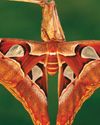
WHAT HAPPENS INSIDE A COCOON?
How certain species of insects transform from crawling caterpillars to flying moths and butterflies
3 mins
Issue 212

How It Works UK
HOW THE ROSE LOST ITS SCENT
From floral to fragranceless, there's a biological reason behind a rose's missing odour today
3 mins
Issue 212
How It Works UK
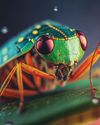
How many insects have been discovered so far?
The total number of named species is around a million.
7 mins
Issue 212
Listen
Translate
Change font size