Try GOLD - Free
HOME GADGETS EXPLAINED
How It Works UK
|Issue 202
We often take the technology that keeps our homes running for granted, but here's how they actually work

ENERGY-SAVING BULBS MAKING GAS GLOW
Traditional light bulbs work by passing a current through a thin wire. The wire then heats up so much that it glows and gives off light. That takes a lot of energy, and much of it is wasted as heat. An alternative, the fluorescent lamp, became popular in 1938. Today's energy-saving light bulbs, called compact fluorescent lamps, or CFLs, are merely small cousins of the fluorescent tubes you see in offices. They're filled with a gas that releases ultraviolet photons - particles of light - when an electrical current is passed through them. The inside of the tube has a coating of phosphors. When the photons hit the inside of the tube, the ultraviolet light is converted to visible light and your room lights up. They are more efficient than traditional bulbs and work out cheaper in the long run.
More recently, these bulbs have begun to be replaced with LEDs, which generate light using yet another method - the movement of electrons in a semiconductor. These are safer, longer lasting and more energy efficient than CFLs.
WI-FI SENDING PULSES THROUGH THE AIR
Beaming information through the air seems magical, but we've been doing it even since our ancestors started communicating with smoke signals.
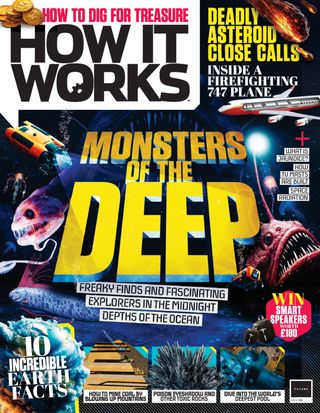

This story is from the Issue 202 edition of How It Works UK.
Subscribe to Magzter GOLD to access thousands of curated premium stories, and 10,000+ magazines and newspapers.
Already a subscriber? Sign In
MORE STORIES FROM How It Works UK

How It Works UK
FORMULA FAST
YOUR ULTIMATE GUIDE TO FORMULA ONE RACING

1 mins
Issue 212
How It Works UK
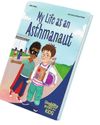
MY LIFE AS AN ASTHMANAUT
A CHILDREN'S BOOK ABOUT ASTHMA
1 min
Issue 212

How It Works UK
LYDIA LOVES BUGS
A SHORT AND SWEET STORY OF AN ENTHUSIASTIC ENTOMOLOGIST
1 min
Issue 212

How It Works UK
INSIDE A DRONE
Drones aren't just for the military any more. These flying marvels are now taking over our lives
3 mins
Issue 212
How It Works UK
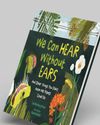
WE CAN HEAR WITHOUT EARS
AND OTHER THINGS YOU DIDN'T KNOW WE PLANTS COULD DO
1 min
Issue 212

How It Works UK
DO GEESE GET GOOSEBUMPS?
Many animals experience a similar reaction when they feel cold or scared
2 mins
Issue 212

How It Works UK
SUBMARINES WITHOUT SAILORS
Dive into the world of autonomous submarines and discover the mission that will see one sail around the world
4 mins
Issue 212

How It Works UK
WHAT HAPPENS INSIDE A COCOON?
How certain species of insects transform from crawling caterpillars to flying moths and butterflies
3 mins
Issue 212

How It Works UK
HOW THE ROSE LOST ITS SCENT
From floral to fragranceless, there's a biological reason behind a rose's missing odour today
3 mins
Issue 212
How It Works UK
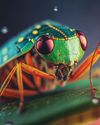
How many insects have been discovered so far?
The total number of named species is around a million.
7 mins
Issue 212
Listen
Translate
Change font size