Try GOLD - Free
HENRIETTA SWAN LEAVITT
How It Works UK
|Issue 204
This groundbreaking astronomer helped us discover our place in the universe
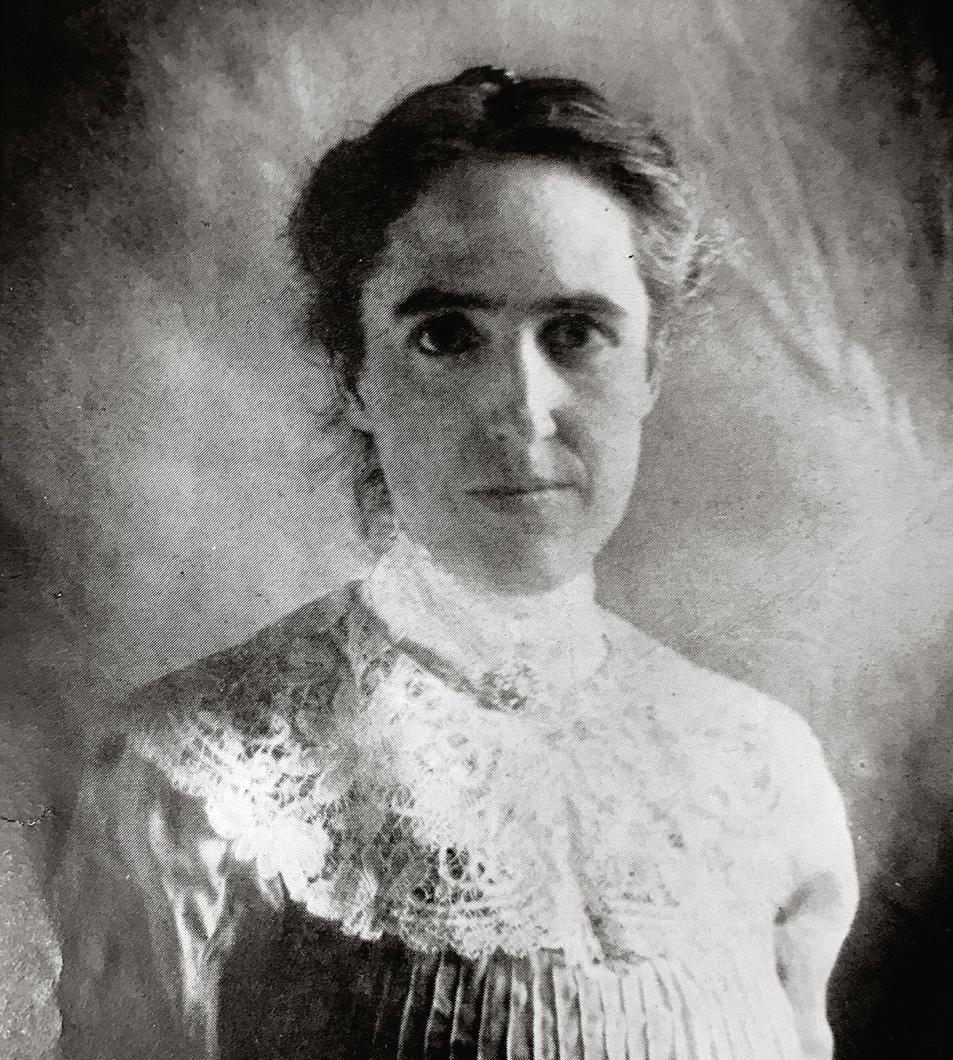
Henrietta Swan Leavitt was born in 1868 in Massachusetts, the daughter of a congregational minister and the oldest of seven children. In her youth she attended Oberlin College and the Society for the Collegiate Instruction of Women, later named Radcliffe College, the latter of which she graduated from with a bachelor's degree in 1892. Her course of study was originally in the liberal arts, but in her last year of college she embarked on a course in astronomy, which she took to with great enthusiasm.
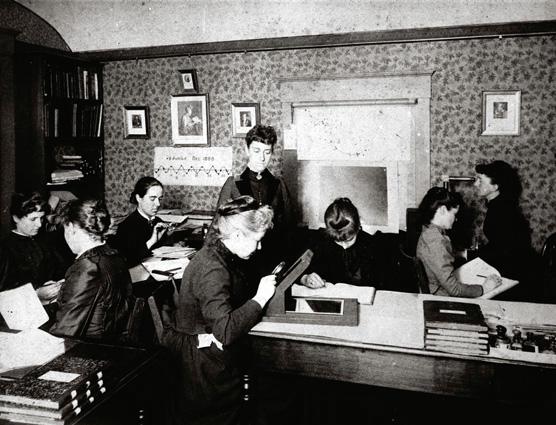 After completing her degree, in 1895 Leavitt began volunteering at Harvard College Observatory under American astronomer Edward Pickering. She was part of a group known as the Harvard Computers, a group of skilled women employed by Pickering to sift through mountains of astronomical data. Each woman was given a different set of data to catalogue and analyse. Leavitt was assigned to study variable stars, those whose luminosities vary over time but whose exact workings were poorly understood.

This story is from the Issue 204 edition of How It Works UK.
Subscribe to Magzter GOLD to access thousands of curated premium stories, and 10,000+ magazines and newspapers.
Already a subscriber? Sign In
MORE STORIES FROM How It Works UK

How It Works UK
FORMULA FAST
YOUR ULTIMATE GUIDE TO FORMULA ONE RACING

1 mins
Issue 212

How It Works UK
MY LIFE AS AN ASTHMANAUT
A CHILDREN'S BOOK ABOUT ASTHMA
1 min
Issue 212

How It Works UK
LYDIA LOVES BUGS
A SHORT AND SWEET STORY OF AN ENTHUSIASTIC ENTOMOLOGIST
1 min
Issue 212

How It Works UK
INSIDE A DRONE
Drones aren't just for the military any more. These flying marvels are now taking over our lives
3 mins
Issue 212

How It Works UK
WE CAN HEAR WITHOUT EARS
AND OTHER THINGS YOU DIDN'T KNOW WE PLANTS COULD DO
1 min
Issue 212

How It Works UK
DO GEESE GET GOOSEBUMPS?
Many animals experience a similar reaction when they feel cold or scared
2 mins
Issue 212

How It Works UK
SUBMARINES WITHOUT SAILORS
Dive into the world of autonomous submarines and discover the mission that will see one sail around the world
4 mins
Issue 212
How It Works UK
WHAT HAPPENS INSIDE A COCOON?
How certain species of insects transform from crawling caterpillars to flying moths and butterflies
3 mins
Issue 212

How It Works UK
HOW THE ROSE LOST ITS SCENT
From floral to fragranceless, there's a biological reason behind a rose's missing odour today
3 mins
Issue 212
How It Works UK
How many insects have been discovered so far?
The total number of named species is around a million.
7 mins
Issue 212
Listen
Translate
Change font size