Try GOLD - Free
Decoded script
Down To Earth
|February 16, 2025
Genomelndia project creates genomic sequence database of 10,000 Indians, moving a step forward in disease detection and treatment
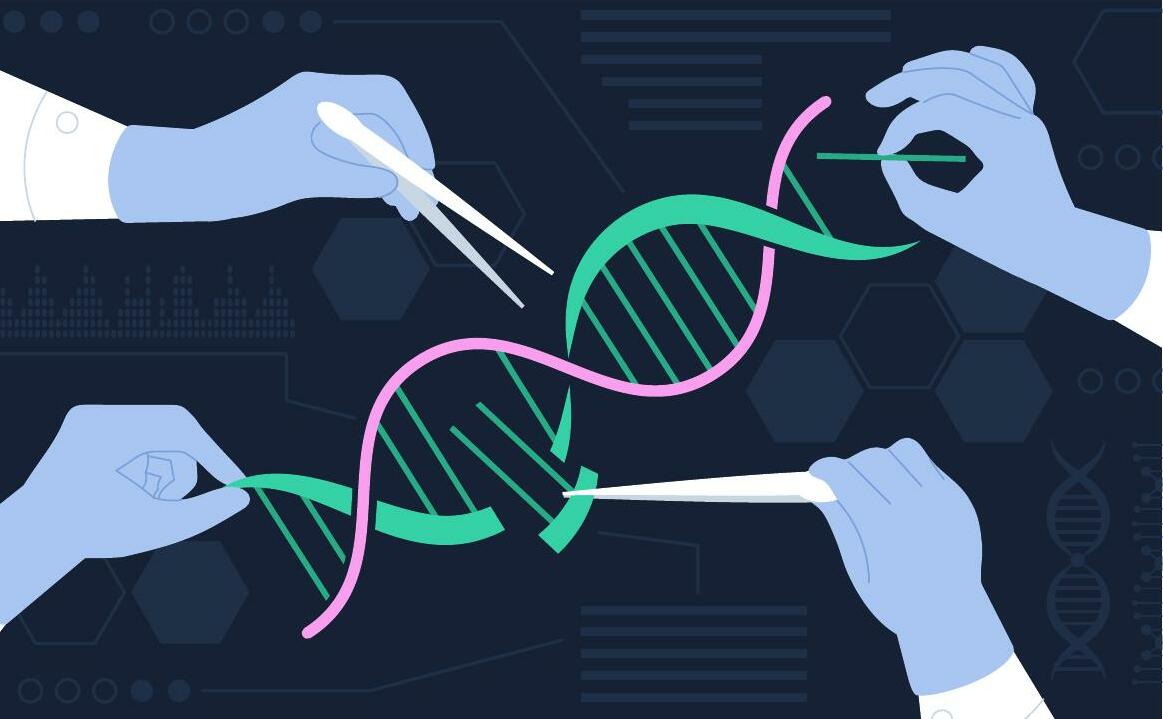
IMAGINE THIS. An Indian individual with elevated cholesterol levels, is prescribed statins, a class of medications that block an enzyme crucial for making cholesterol. A year later, there is no change. The doctor knows statins are only extensively assessed for efficacy in western populations—Indian genes may differ. A blood test indicates that the patient has a genetic mutation hindering statins' effectiveness. The doctor then prescribes more suitable drugs based on the patient's genetic profile.
Such personalised medical treatment could soon be possible. Scientists from 20 research institutions in the country have brought us closer to such a scenario. The group said on January 9 that the GenomeIndia project has successfully sequenced 10,074 DNA samples from healthy individuals, creating India's largest genetic reference database so far. Analysis of 5,750 samples, as per the project website, found unique features in DNA, including rare variations unique to Indians.
"By identifying genetic variants associated with diseases, the project will enable early diagnosis and prevention of genetic disorders," says V Mohan, chairperson, Dr. Mohan's Diabetes Specialities Centre and Madras Diabetes Research Foundation, Chennai. Although Mohan is not involved in the project, he says the database could help in research of rare monogenic forms of diabetes, caused by a change in a single gene. Genome sequencing also helps study why some population groups are more susceptible to specific diseases, says Raghu Padinjat, professor, National Centre for Biological Sciences, Bengaluru, and principal investigator of the project.


This story is from the February 16, 2025 edition of Down To Earth.
Subscribe to Magzter GOLD to access thousands of curated premium stories, and 10,000+ magazines and newspapers.
Already a subscriber? Sign In
MORE STORIES FROM Down To Earth

Down To Earth
THINK TWICE BEFORE FELLING SAL TREES
Many trees considered to be affected by sal borer in the 1990s are still alive today

1 mins
February 16, 2026

Down To Earth
EDGE OF SURVIVAL
Caste divides deny marginalised communities land, resources and essential aid, leaving them more vulnerable to climate disasters
6 mins
February 16, 2026

Down To Earth
A WISH LIST?
Union Budget for 2026-27 conveys the impression of a roll-call of intentions and ambitious proposals, with little detail on their formulation
6 mins
February 16, 2026
Down To Earth
Break down the gender wall
THE RULING National Democratic Alliance (NDA) government has been heavily invested in the goal to make India a developed economy by 2047.
2 mins
February 16, 2026

Down To Earth
MENSTRUAL HEALTH, NOW A FUNDAMENTAL RIGHT
In a landmark judgement, the Supreme Court has recognised menstrual health and hygiene as a fundamental right under Article 21 of the Constitution of India, which guarantees the right to life and dignity.
8 mins
February 16, 2026

Down To Earth
Of devolution and new disasters
The 16th Finance Commission pushes for changes in view of new fiscal and climatic conditions
11 mins
February 16, 2026
Down To Earth
Rising risks of plastics
NEGATIVE IMPACTS on human health due to emissions linked to the plastic lifecycle could double by 2040, according to a study published in The Lancet Planetary Health in January.
1 min
February 16, 2026

Down To Earth
GAP BETWEEN EPIDEMICS NARROWING
A watershed-based and landscape-level approach is needed to address forest degradation
2 mins
February 16, 2026
Down To Earth
WAITING TO STRIKE
Sal heartwood borer is considered the biggest threat to forestry in India, especially to the sal tree, where it lives and breeds.
11 mins
February 16, 2026

Down To Earth
A SPRING DELIGHT
Mustard flowers are not meant only for the eyes. Invite them to your plate once in a while
3 mins
February 16, 2026
Listen
Translate
Change font size