
Go Unlimited with Magzter GOLD
Get unlimited access to 10,000+ magazines, newspapers and Premium stories for just
Try GOLD - Free
BLAZING SUN IS ON
Down To Earth
|May 01, 2024
Rising temperatures are testing the limits of human tolerance to heat. With their predominantly built-up landscape, urban areas offer no respite. A study by the Centre for Science and Environment on the morphology and heat patterns of nine Indian cities over the past decade shows how these urban centres are turning into heat islands with a potentially serious impact on human health. An analysis by Rajneesh Sareen, Mitashi Singh and Nimish Gupta, with Shagun in Haryana and Kiran Pandey
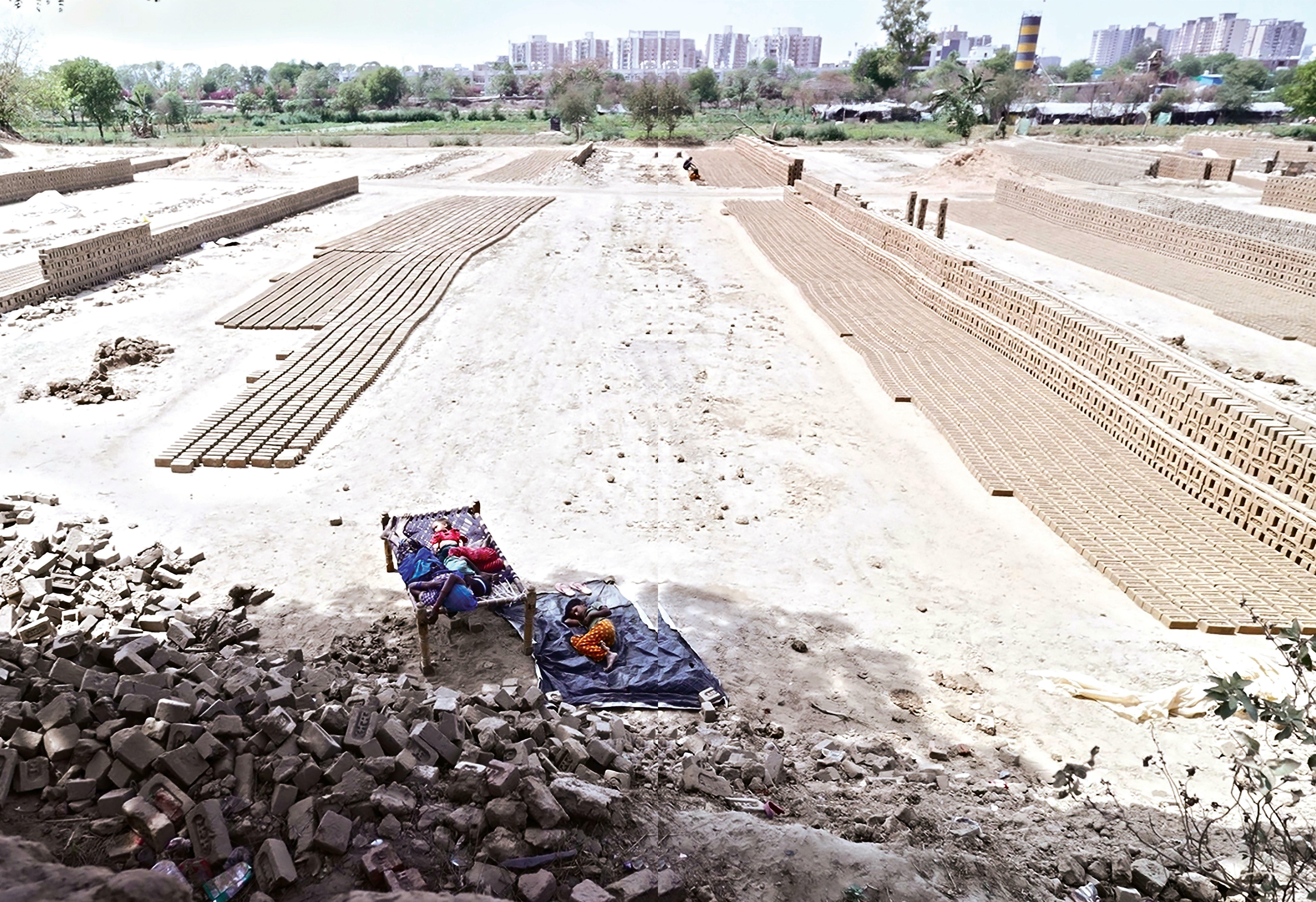
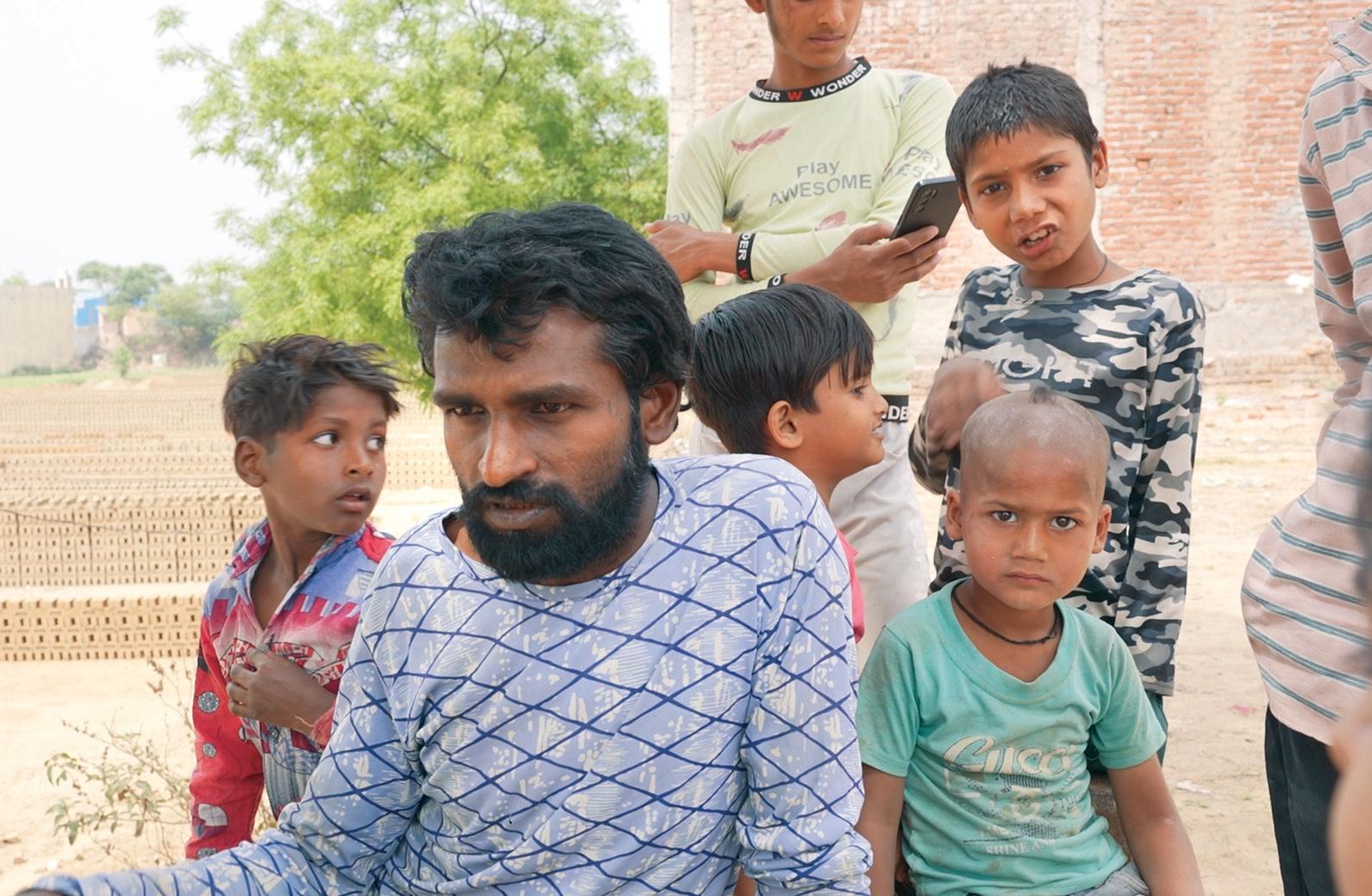
BIRESH KUMAR, a 38-year-old labourer, works at least six hours in the sun every day. Though it is only mid-April-early days of summer in north India-the afternoon temperatures hover around 38°C in Bhopani, the village in Haryana's Faridabad district where Kumar works at a brick kiln. When the summer peaks in May-June, the mercury will likely cross 40°C. "I feel like I'm trapped in a heat island. But I have to work to repay a debt I owe to the labour contractor," says Kumar.
Sitting on a cot under a tree at some distance is Kumar's co-worker Somveer. For the past two days, Somveer has had body ache, weakness and fever, which have forced him to miss work and, as a result, forego his wage. He does not know the reason for his condition, but says it could be due to constantly working under the sun. The National Institute for Occupational Safety and Health, US, recommends that those who work in the heat should consume 237 ml of water every 15-20 minutes. But for workers like Kumar and Somveer, that would mean more breaks and missed targets, resulting in a loss of wage. Neeraj Kaushik, medical officer in-charge at the government hospital in Kheri Kalan that Somveer and Biresh have access to, says he sees several labourers with complaints of fainting episodes. "They are weak and dehydrated, with severely chapped lips. If they have comorbidities, like diabetes, it becomes an emergency situation. If their vitals are weak, it takes a long time to resuscitate them," he says.


This story is from the May 01, 2024 edition of Down To Earth.
Subscribe to Magzter GOLD to access thousands of curated premium stories, and 10,000+ magazines and newspapers.
Already a subscriber? Sign In
MORE STORIES FROM Down To Earth

Down To Earth
MILES TO GO
As impacts of climate change accelerate, climate finance remains trapped in incrementalism

6 mins
April 16, 2026

Down To Earth
Hope for revival of the great Indian bustard
The birth of a great Indian bustard chick in the Kutch region of Gujarat has created history in the world of conservation, reviving hope.
2 mins
April 16, 2026
Down To Earth
IN MAHUA TERRITORY
Once mahua starts to flower, every thing else takes a back seat for tribal communities in forests of central India
6 mins
April 16, 2026

Down To Earth
CAUGHT IN THE ENERGY GAP
Kitchens across rural India reflect a peculiar reality: energy is within reach but affordability remains a concern. PUJA DAS travels across 15 villages in Madhya Pradesh, Chhattisgarh and Uttar Pradesh to investigate why rural households still rely on traditional fuels like firewood, dung cakes and crop residue that pose a health risk, and why their energy bills are rising.
12 mins
April 16, 2026
Down To Earth
Lake or wetland?
While villages around Almora's Tadag Tal want the seasonal lake to be developed into a perennial waterbody, experts say the area is a wetland and should not be disturbed
5 mins
April 16, 2026

Down To Earth
World far from curbing maternal deaths
INDIA HAS cut its maternal mortality ratio (MMR) by 80 per cent since 1990, according to a recent analysis published in The Lancet.
1 min
April 16, 2026
Down To Earth
Energy in times of war
THE DISASTROUS US-Israel war against Iran has disrupted energy supply across the world. Governments in both rich and poor countries are warning their people of dire times ahead, unlike anything seen before by this generation: acute energy scarcity, rationing and even the prospect of cars and aeroplanes running out of fuel. The question is what will the future energy map look like?
3 mins
April 16, 2026

Down To Earth
Unfinished business
Land consolidation is globally considered a critical component of land reforms and holds the key to improve agrarian productivity. But it is yet to be undertaken in meaningful ways in most parts of the country, reports
6 mins
April 16, 2026

Down To Earth
Roots of revival
Chhattisgarh's Baiga community mounts conservation efforts to keep alive a traditional art form at risk of vanishing due to ecological changes
2 mins
April 16, 2026
Down To Earth
A mass human capital loss
ADULT HEIGHT across countries, including India, is no longer increasing.
2 mins
April 16, 2026
Listen
Translate
Change font size