
Go Unlimited with Magzter GOLD
Get unlimited access to 10,000+ magazines, newspapers and Premium stories for just
Turn mono Sun shots into fiery colour
BBC Sky at Night Magazine
|October 2025
A simple, free technique to take your solar images from greyscale to gold
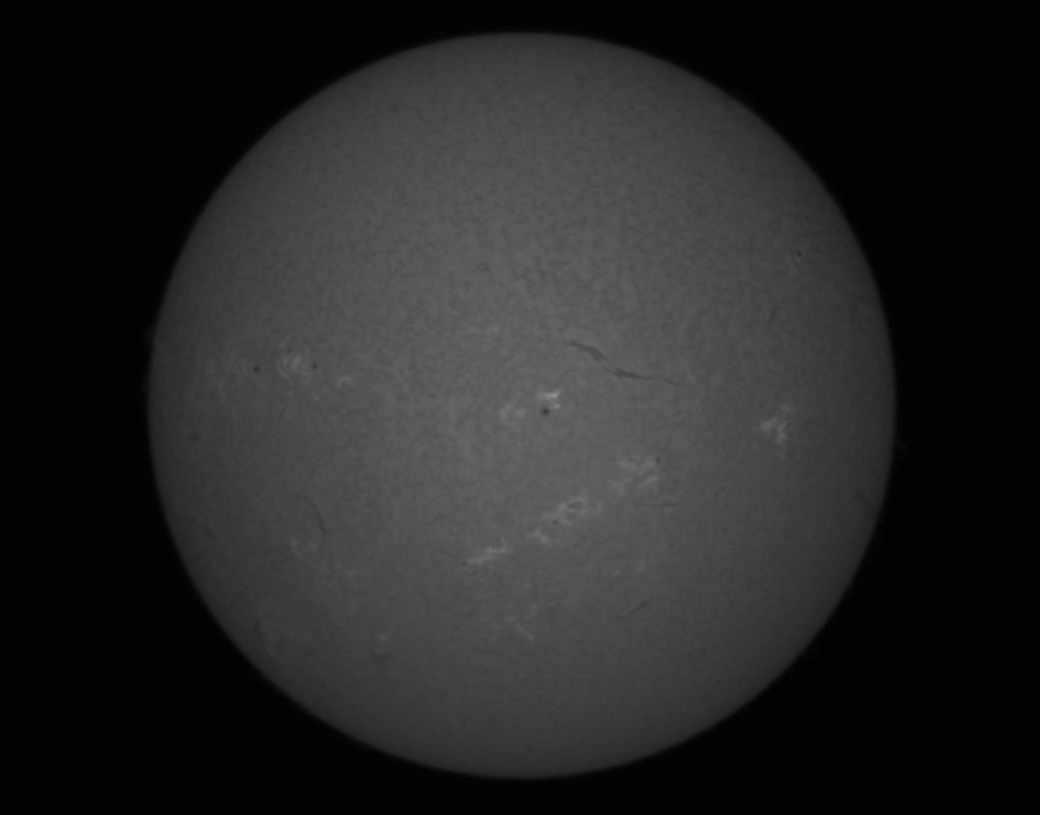
As the latest solar cycle reached its peak, many amateur imagers took their first solar snaps, capturing fascinating and dynamic activity on the Sun's surface.
One popular method is to use a solar hydrogen alpha filter such as an etalon that, if coupled with a monochrome camera, unveils the Sun's chromosphere and delicate details such as prominences and flares. Once you've teased out these features through processing, you can easily convert your monochrome images into the familiar red-orange hues of our nearest star. Here we'll walk you through the two key techniques - inverting and then colourising - you can use to achieve this.
We'll use ImPPG and GIMP, two capable image-manipulation programs you can download for free. ImPPG handles the inversion process, but note that it works only on PCs and with monochrome image files from monochrome cameras. GIMP is an image-editing program not unlike Photoshop. You can use this to convert your image from monochrome to colour. Inverting a solar image simply means assigning the white areas to black, and the black areas to white, much like a negative, while keeping the background black. While it's certainly a matter of taste, this technique boosts prominences and flares on the limb in a single capture, and helps surface details to pop.

This story is from the October 2025 edition of BBC Sky at Night Magazine.
Subscribe to Magzter GOLD to access thousands of curated premium stories, and 10,000+ magazines and newspapers.
Already a subscriber? Sign In
MORE STORIES FROM BBC Sky at Night Magazine
BBC Sky at Night Magazine
MOONWATCH
January's top lunar feature to observe

2 mins
January 2026
BBC Sky at Night Magazine
Speed up your processing workflow
How to use Photoshop's Actions tool to drastically cut your processing time
3 mins
January 2026
BBC Sky at Night Magazine
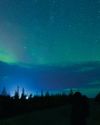
Chasing Canada's polar lights
With solar maximum peaking and a new Moon promising dark skies, Jamie Carter travels to Churchill, Manitoba to hunt the Northern Lights - and dodge polar bears – in Canada's far north
7 mins
January 2026
BBC Sky at Night Magazine
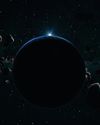
Beyond Pluto: The search for the hidden planets
Could one – or even two - undiscovered planets lurk at the edges of our Solar System? Nicky Jenner explores how close we are to finding the elusive 'Planet 9'
6 mins
January 2026
BBC Sky at Night Magazine
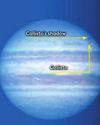
Jupiter moon events
Jupiter is a magnificent planet to observe.
2 mins
January 2026

BBC Sky at Night Magazine
What samples from space have taught us
Alastair Gunn explains what scientists have learnt in the 20 years since the first unmanned mission brought materials back from alien worlds
3 mins
January 2026
BBC Sky at Night Magazine
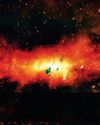
The Milky Way as you've never seen it before
This is the largest low-frequency radio colour image of our Galaxy ever assembled
1 min
January 2026

BBC Sky at Night Magazine
Merger of ‘impossibly' massive black holes explained
Scientists discover how enormous, fast-spinning black holes can exist after all
1 mins
January 2026
BBC Sky at Night Magazine
Lunar occultation of the Pleiades
BEST TIME TO SEE: 27 January from 20:30 UT
1 min
January 2026
BBC Sky at Night Magazine
The Universe's expansion may be slowing down
New study suggests current theories of dark energy could be wrong
1 mins
January 2026
Listen
Translate
Change font size