
Go Unlimited with Magzter GOLD
Get unlimited access to 10,000+ magazines, newspapers and Premium stories for just
Stonehenge and the Moon
BBC Sky at Night Magazine
|June 2025
Unlocking the secrets of lunar standstill
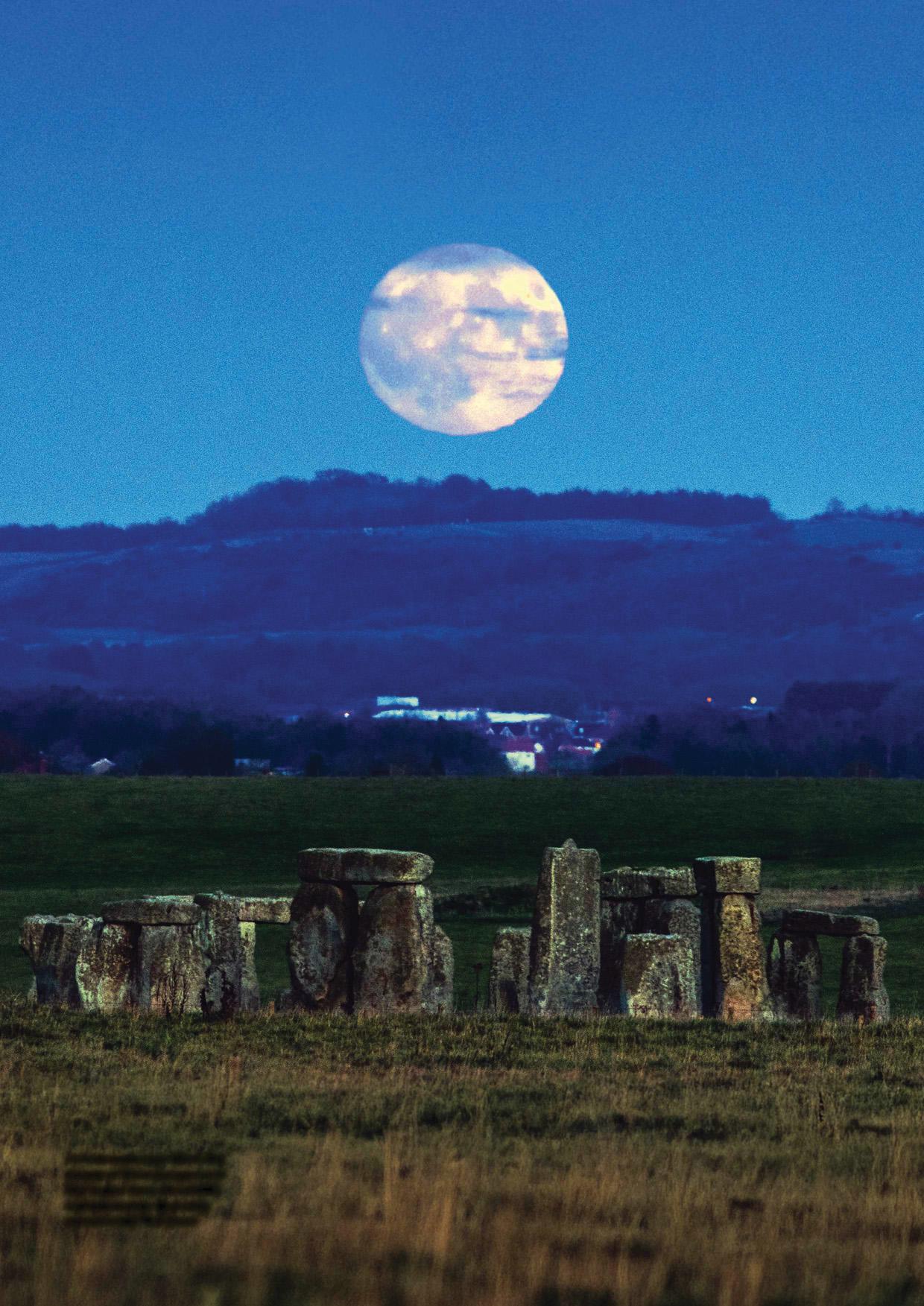
A rare lunar event this year is uncovering mysterious links between the iconic ancient monument and the Moon, as archaeologist Jennifer Wexler explains
Two years ago, I was standing in the car park at the Stonehenge Visitor Centre on a cold, clear December evening. I had only recently started working for English Heritage and it was a few weeks before the winter solstice. The Sun was slowly setting, a large, bright-red sphere on the western horizon. Just as it dipped below the horizon, I turned and was shocked to see another giant red orb rising above the eastern horizon - the Moon.
It felt like a cosmic moment, the cycling of a glowing red orb that briefly dipped into the underworld to only rise again in triumph, and I was in awe. In that instant, I realised why the wide open spaces of Salisbury Plain, where Stonehenge is located, have been a place for observing the skies for millennia.
As modern humans living in urban environments awash with light, sometimes we forget how prominent the night sky would have been to people in the past. We know that the movements of the Sun, Moon and stars influenced our ancient ancestors, because around 5,000 years ago, at the end of the Neolithic (or New Stone) Age, the first farmers (who had arrived on British shores about a thousand years earlier) began to build extraordinary things.
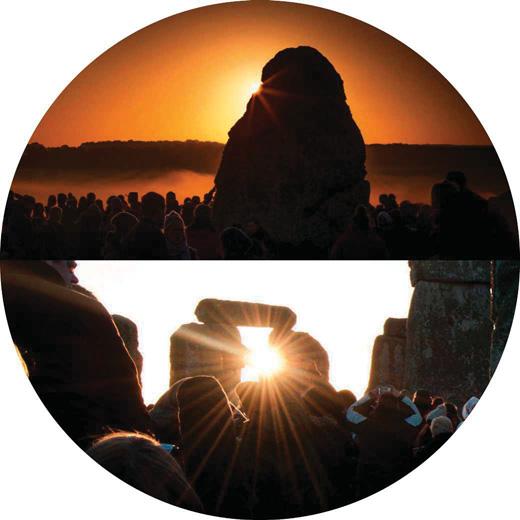 Monumental tombs, stone circles and henges were all developed on a grand scale, and as people transformed their world, they looked to the skies. Many of these were aligned with the Sun on the solstices or equinoxes (when night and day are of equal length), including Stonehenge in England and Newgrange in Ireland. These monuments were built not only to help track the yearly movements of the Sun, but also to connect to its regenerative power.
Residence of the Sun

This story is from the June 2025 edition of BBC Sky at Night Magazine.
Subscribe to Magzter GOLD to access thousands of curated premium stories, and 10,000+ magazines and newspapers.
Already a subscriber? Sign In
MORE STORIES FROM BBC Sky at Night Magazine
BBC Sky at Night Magazine
MOONWATCH
January's top lunar feature to observe

2 mins
January 2026
BBC Sky at Night Magazine
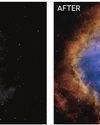
Speed up your processing workflow
How to use Photoshop's Actions tool to drastically cut your processing time
3 mins
January 2026
BBC Sky at Night Magazine
Chasing Canada's polar lights
With solar maximum peaking and a new Moon promising dark skies, Jamie Carter travels to Churchill, Manitoba to hunt the Northern Lights - and dodge polar bears – in Canada's far north
7 mins
January 2026
BBC Sky at Night Magazine
Beyond Pluto: The search for the hidden planets
Could one – or even two - undiscovered planets lurk at the edges of our Solar System? Nicky Jenner explores how close we are to finding the elusive 'Planet 9'
6 mins
January 2026
BBC Sky at Night Magazine
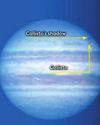
Jupiter moon events
Jupiter is a magnificent planet to observe.
2 mins
January 2026

BBC Sky at Night Magazine
What samples from space have taught us
Alastair Gunn explains what scientists have learnt in the 20 years since the first unmanned mission brought materials back from alien worlds
3 mins
January 2026
BBC Sky at Night Magazine
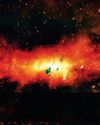
The Milky Way as you've never seen it before
This is the largest low-frequency radio colour image of our Galaxy ever assembled
1 min
January 2026
BBC Sky at Night Magazine
Merger of ‘impossibly' massive black holes explained
Scientists discover how enormous, fast-spinning black holes can exist after all
1 mins
January 2026
BBC Sky at Night Magazine
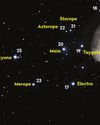
Lunar occultation of the Pleiades
BEST TIME TO SEE: 27 January from 20:30 UT
1 min
January 2026
BBC Sky at Night Magazine
The Universe's expansion may be slowing down
New study suggests current theories of dark energy could be wrong
1 mins
January 2026
Listen
Translate
Change font size