Try GOLD - Free
WILL SUSPENDED ANIMATION EVER EXIST?
BBC Science Focus
|May 2025
It already does, if you count animals hibernating over winter.
But if you mean the sort of suspended animation depicted in science fiction (where a person is placed in a pod and frozen so they can survive interstellar journeys), that's a little more fanciful. But there are some very down-to-earth applications, assuming we can solve the problems with freezing human tissue.
For decades, we've known about the potential for using cold temperatures to slow the biological process and have recently started using it as a form of emergency, lifesaving treatment.
Officially termed 'suspended animation for delayed resuscitation', people suffering a heart attack, for example, can be quickly cooled to induce hypothermia. This slows their body's processes and protects their organs, in particular their brains, while the blood flow is interrupted. The technique dramatically reduces the risk of brain damage and is so effective that people can survive without medical treatment for up to 90 minutes.

This story is from the May 2025 edition of BBC Science Focus.
Subscribe to Magzter GOLD to access thousands of curated premium stories, and 10,000+ magazines and newspapers.
Already a subscriber? Sign In
MORE STORIES FROM BBC Science Focus

BBC Science Focus
DOES MY BRAIN LIVE A LITTLE IN THE PAST?
Yes, your brain does live a little in the past. It can't help it. The information it receives via your senses is always a little out of date. Whether it's light entering the retinas in your eyes, or sounds vibrating the hairs in your ears, it not only takes time for the data to arrive, but your brain then has to process it.

2 mins
March 2026

BBC Science Focus
ASTRONOMY FOR BEGINNERS
RETURN OF THE EVENING STAR (VENUS)
1 mins
March 2026

BBC Science Focus
CAN YOU STOP YOUR SENSE OF TASTE DULLING AS YOU AGE?
Sometimes I hear people say that food just doesn't taste the same as they get older. It's tempting to blame this on age, but there are other factors at play, too.
1 mins
March 2026

BBC Science Focus
MICROBIOMES OF THE SUPERAGERS
BY STUDYING THE INCREASING NUMBER OF PEOPLE WHO ARE LIVING BEYOND THEIR 100TH BIRTHDAYS, SCIENTISTS ARE DISCOVERING THAT THE SECRET TO REACHING A RIPE OLD AGE IN RUDE HEALTH MIGHT LIE IN OUR GUTS
8 mins
March 2026

BBC Science Focus
HOW BIG WERE MEDIEVAL WAR HORSES?
You might picture knights charging into battle on towering steeds, but medieval horses were typically no bigger than modern-day ponies.
1 min
March 2026

BBC Science Focus
FORCES OF HABIT
Could new research on setting up healthy habits resuscitate those stuttering New Year resolutions?
3 mins
March 2026

BBC Science Focus
5 DANGERS HIDING IN YOUR PROCESSED FOOD
We all know that ultra-processed foods are bad for us, but what ingredients should we particularly try to avoid? And what are they doing to our bodies?
9 mins
March 2026

BBC Science Focus
Mosquitoes are becoming thirstier for human blood
Habitat loss may be pushing mosquitoes towards human hosts with deadly consequences
1 mins
March 2026

BBC Science Focus
HOW CAN I GET OVER MY EX?
Relationship breakups can be brutal, just look at the popularity of songs like 'Someone Like You' by Adele, or all the covers of 'Cry Me a River' by Julie London.
1 mins
March 2026
BBC Science Focus
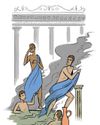
The ancient baths of Pompeii were outrageously filthy
The pre-Roman baths of Pompeii would've been seriously grotty, according to an analysis of mineral deposits
1 mins
March 2026
Listen
Translate
Change font size