Try GOLD - Free
How do you treat perimenopause symptoms?
BBC Science Focus
|February 2025
Both hormonal and natural treatments can be used to treat disruptive perimenopause symptoms. But which ones are right for you?
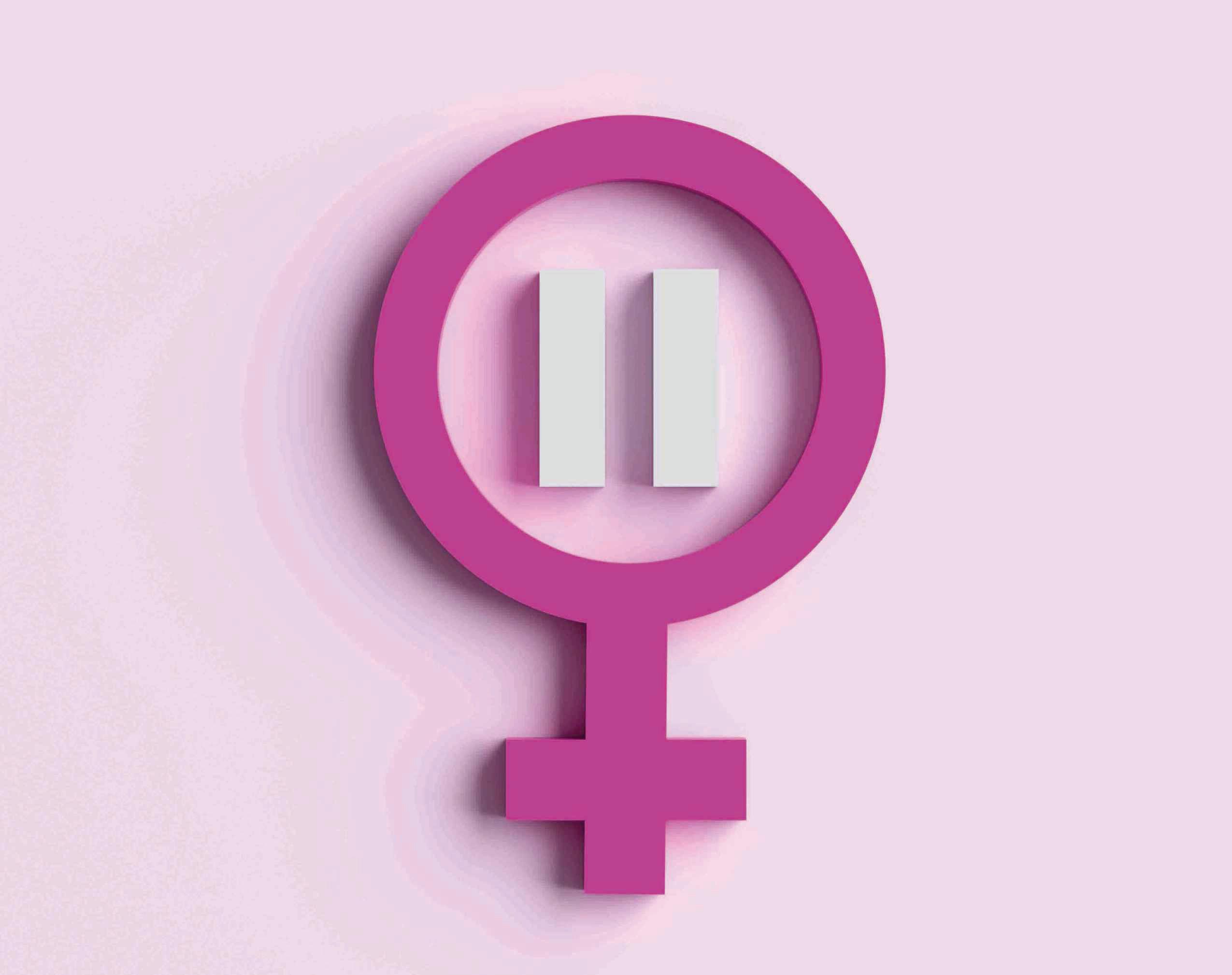
While the menopause occurs as a single day in a woman's life - when the ovaries cease producing hormones – the time leading up to this life-changing event can last for several years. This extended period in a woman's life is referred to as the perimenopause.
On average, women hit the menopause at 51 years old, so the majority of women will begin experiencing perimenopause symptoms in their mid-40s. And these symptoms can vary wildly between individuals. Hot flushes and irregular heavy periods are often noted as the tell-tale signs, but they're not necessarily experienced by everyone.
And even within an individual, the type, frequency and intensity of symptoms are prone to change.
More than 75 per cent of women report suffering from various symptoms and around 25 per cent say the symptoms have a significant impact on their quality of life. These include sleep disturbance, anxiety and weight gain.
But these symptoms have a history of being overlooked by professionals and are often written off as being a result of other medical conditions.
SYMPTOMS AND TREATMENTS
Trouble sleeping or staying asleep is often the first symptom. This can start as early as in the late 30s or early 40s, and it's relatively common. Studies show that as many as 60 per cent of women aged 40 and over are affected by insomnia.
Other symptoms can include changes in mood - women may experience unprompted anger, irritability, sadness and depression.
This can be in addition to symptoms such as brain fog, memory issues, difficulty concentrating, joint and muscle pain, vaginal dryness, low sex drive, and discomfort and pain while having sex. Despite this, women going through the perimenopause often put off seeing a doctor due to embarrassment or not wanting to 'cause a fuss'.
Seeking medical advice is, of course, important, but there are currently no tests for perimenopause or menopause in women over the age of 45.

This story is from the February 2025 edition of BBC Science Focus.
Subscribe to Magzter GOLD to access thousands of curated premium stories, and 10,000+ magazines and newspapers.
Already a subscriber? Sign In
MORE STORIES FROM BBC Science Focus

BBC Science Focus
DOES MY DOG HAVE ADHD?
Officially, Attention-Deficit Hyperactivity Disorder (ADHD) is a human condition. People are diagnosed with it. Dogs are not. Yet many of its core features, including hyperactivity, impulsivity and distractibility, can be found in dogs.

1 min
March 2026

BBC Science Focus
DOES MY BRAIN LIVE A LITTLE IN THE PAST?
Yes, your brain does live a little in the past. It can't help it. The information it receives via your senses is always a little out of date. Whether it's light entering the retinas in your eyes, or sounds vibrating the hairs in your ears, it not only takes time for the data to arrive, but your brain then has to process it.
2 mins
March 2026

BBC Science Focus
ASTRONOMY FOR BEGINNERS
RETURN OF THE EVENING STAR (VENUS)
1 mins
March 2026

BBC Science Focus
CAN YOU STOP YOUR SENSE OF TASTE DULLING AS YOU AGE?
Sometimes I hear people say that food just doesn't taste the same as they get older. It's tempting to blame this on age, but there are other factors at play, too.
1 mins
March 2026

BBC Science Focus
MICROBIOMES OF THE SUPERAGERS
BY STUDYING THE INCREASING NUMBER OF PEOPLE WHO ARE LIVING BEYOND THEIR 100TH BIRTHDAYS, SCIENTISTS ARE DISCOVERING THAT THE SECRET TO REACHING A RIPE OLD AGE IN RUDE HEALTH MIGHT LIE IN OUR GUTS
8 mins
March 2026

BBC Science Focus
HOW BIG WERE MEDIEVAL WAR HORSES?
You might picture knights charging into battle on towering steeds, but medieval horses were typically no bigger than modern-day ponies.
1 min
March 2026

BBC Science Focus
FORCES OF HABIT
Could new research on setting up healthy habits resuscitate those stuttering New Year resolutions?
3 mins
March 2026

BBC Science Focus
5 DANGERS HIDING IN YOUR PROCESSED FOOD
We all know that ultra-processed foods are bad for us, but what ingredients should we particularly try to avoid? And what are they doing to our bodies?
9 mins
March 2026
BBC Science Focus
Mosquitoes are becoming thirstier for human blood
Habitat loss may be pushing mosquitoes towards human hosts with deadly consequences
1 mins
March 2026

BBC Science Focus
HOW CAN I GET OVER MY EX?
Relationship breakups can be brutal, just look at the popularity of songs like 'Someone Like You' by Adele, or all the covers of 'Cry Me a River' by Julie London.
1 mins
March 2026
Listen
Translate
Change font size