Try GOLD - Free
'Ageing atlas' reveals how time reshapes our genes
BBC Science Focus
|November 2025
Scientists are building the clearest picture yet of how we age - right down to our cells and DNA
-
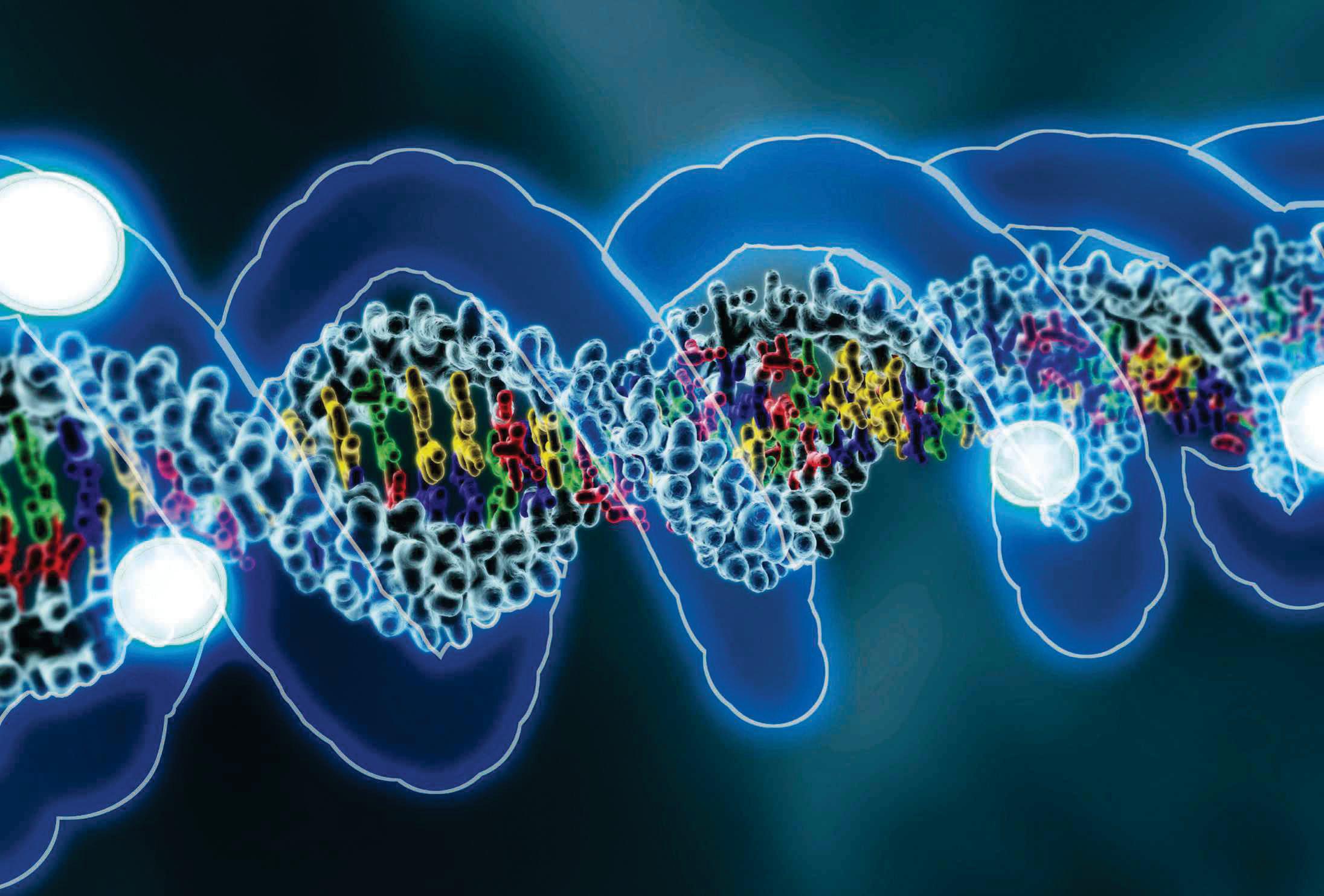
The visible signs of ageing – wrinkles, greying hair, aching joints - are only the surface expression of something far more intricate happening inside our cells.
Beneath the surface, every organ in our bodies undergoes a subtle molecular transformation as we grow older.
Now, scientists have built the most comprehensive map yet of how that process unfolds.
Drawing on data from more than 15,000 samples, the findings - detailed in a preprint study awaiting peer review offer an unprecedented view of how ageing rewrites our genome's operating manual from head to toe.
Researchers from around the world teamed up to create a sweeping 'ageing atlas' that charts DNA methylation (chemical tags that regulate gene activity) across 17 types of human tissue, tracking changes as we grow older.
"DNA methylation, very simply, is a chemical modification on your DNA," Dr Jesse Poganik, an instructor in medicine at Harvard Medical School and one of the authors of the new study, told BBC Science Focus. “At the very basic level, the main function is to control which genes get expressed and which don't.”
Each of your cells has, essentially, the same genetic information in the form of your genome. Yet somehow, the cells in your lungs behave differently from those in your stomach, skin and brain. How do they know what to become and what to do? This is the role methylation performs.
“Depending on the methylation or unmethylation status of particular points on the genome, the expression of particular genes is turned on or off,” Poganik said.
"Scientists know methylation changes as people age, but they don't know whether those changes cause ageing or whether ageing causes those changes"

This story is from the November 2025 edition of BBC Science Focus.
Subscribe to Magzter GOLD to access thousands of curated premium stories, and 10,000+ magazines and newspapers.
Already a subscriber? Sign In
MORE STORIES FROM BBC Science Focus

BBC Science Focus
World's biggest cobweb is home to 100,000 spiders
Spiders don't normally create such large colonies, so there's no need to worry about finding one in your basement

1 min
February 2026

BBC Science Focus
A dementia vaccine could be gamechanging – and available already
Getting vaccinated against shingles could protect you from getting dementia, or slow the progression of the disease
1 mins
February 2026

BBC Science Focus
DATA IN SPACE
An unusual spacecraft reached orbit in November 2025, one that might herald the dawn of a new era.
7 mins
February 2026
BBC Science Focus
Climate change is already shrinking your salary
No matter where you live, a new study has found warmer temperatures are picking your pocket
4 mins
February 2026

BBC Science Focus
A MENTAL HEALTH GLOW-UP
Forget fine lines. Could Botox give you an unexpected mental health tweakment?
3 mins
February 2026
BBC Science Focus
Most people with high cholesterol gene don't know they have it
Standard testing struggles to detect the condition
1 mins
February 2026

BBC Science Focus
HOW CAN I BOOST MY IQ?
If you're serious about getting smarter, it's time to ditch the brain-training apps
4 mins
February 2026

BBC Science Focus
Humans are absolutely terrible at reading dogs' emotions
Think you can tell how our furry friends are feeling? Think again
1 mins
February 2026

BBC Science Focus
HOW TO TEACH AI RIGHT FROM WRONG
If we want to get good responses from AI, we may need to see what it does when we ask it to be evil
3 mins
February 2026

BBC Science Focus
What Australia's social media ban could really mean for under-16s
Many people think social media is bad for our kids. Australia is trying to prove it
5 mins
February 2026
Listen
Translate
Change font size