
Go Unlimited with Magzter GOLD
Get unlimited access to 10,000+ magazines, newspapers and Premium stories for just
Our overreaction epidemic
Time
|November 24, 2025
REACTING HAS BECOME OUR DEFAULT—WE POUNCE, panic, and amplify distress rather than pause and regulate.
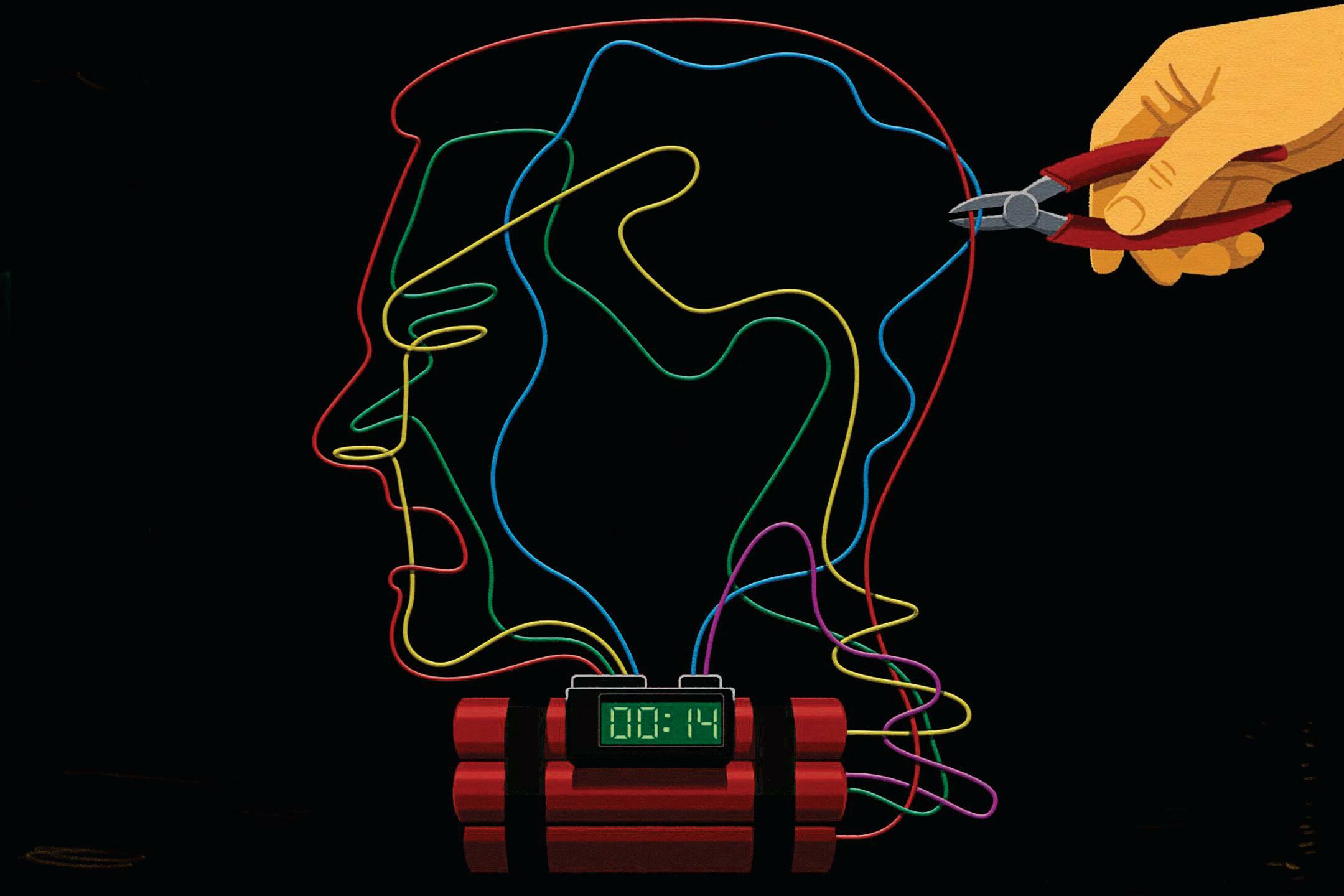
A teenager posts a selfie and spirals when it doesn’t get enough likes; a parent reads a critical email from a colleague and assumes their career is at risk; a friend scrolls social media and erupts over a post that wasn’t even meant for them.
These quick escalations reflect what I have termed an overreaction epidemic: small triggers snowball into outsize emotional responses. Perhaps predictably, the response has been extreme. After a piece I wrote about the topic ran on TIME’s website, thousands of people messaged me and commented at me on social media. Many accused me of being tone-deaf. Some argued I was asking people to “calm down” while fascism rises. “Imagine the layers of privilege it takes to gaslight people into thinking they are overreacting,” stated one critic.
Others have pushed back in the opposite direction, insisting our constant state of panic is unsustainable. As one person put it, “You can’t fight for what’s right if you’re so emotionally decimated that you're living your day-to-day in fight-or-flight mode.” Another countered: “We are not overreacting—we’re underreacting.”
All of these perspectives hold truth. And their passion highlights why we need a deeper, clearer conversation about what emotion regulation is—and just as important, what it isn’t. Let's be clear: anger, fear, and grief are not weaknesses. They’re evidence of caring. But the solution to the overreaction epidemic is emotion regulation—which will be vitally important to address our global challenges ahead.
EMOTION REGULATION IS a set of intentional, learned skills for managing feelings wisely. At its core, it’s about choosing responses that reflect our goals and values. This can include calming ourselves down before a meeting, reframing a negative thought, or expressing frustration constructively with a loved one. But no matter the emotion, emotional regulation keeps us in the driver's seat.

This story is from the November 24, 2025 edition of Time.
Subscribe to Magzter GOLD to access thousands of curated premium stories, and 10,000+ magazines and newspapers.
Already a subscriber? Sign In
MORE STORIES FROM Time

Time
TRUMP
LAST YEAR'S PERSON OF THE YEAR SPENT 2025 TESTING THE LIMITS OF HIS OFFICE

5 mins
December 29, 2025

Time
BEST OF CULTURE 2023
The art that entertained, moved, and inspired us this year
3 mins
December 29, 2025

Time
NEAL MOHAN
THE YOUTUBE CEO HAS LED THE PLATFORM INTO A NEW ERA OF TV AND VIDEO DOMINATION
16 mins
December 29, 2025

Time
LEONARDO DICAPRIO
MOVIE BY MOVIE, THE ACTOR HAS CRAFTED A HOLLYWOOD CAREER THAT'S BUILT TO LAST— EVEN IN AN INDUSTRY DEFINED BY CHANGE
14 mins
December 29, 2025

Time
A'JA WILSON
HER FOURTH MVP AWARD. HER THIRD WNBA TITLE. IT WAS A VERY GOOD YEAR.
21 mins
December 29, 2025
Time
HOW THE U.S. CAN LEAD
Artificial intelligence is reshaping the world.
2 mins
December 29, 2025
Time
State of the art
AS TIME’S CREATIVE DIRECTOR, I’VE been privileged to work with some of the world’s best artists and photographers in creating thousands of images for our cover.
1 mins
December 29, 2025

Time
The fractured agenda
BY THE TIME NEGOTIATORS FROM AROUND THE WORLD gathered in the Amazonian city of Belém in November to discuss the future of climate action, the world had already experienced an alarming year: near-record global temperatures, unprecedented heat waves across continents, and extreme flooding that scientists say would have been virtually impossible without human-driven warming.
2 mins
December 29, 2025

Time
PERSON OF THE YEAR
SINCE 1801, AMERICAN LEADERS HAVE GATHERED in Washington, D.C., to attend the Inauguration of a new President.
4 mins
December 29, 2025
Time
AI'S NEXT FRONTIER IS HERE
In 1950, when computing was little more than automated arithmetic and simple logic, Alan Turing asked a question that reverberates today: Can machines think? It took remarkable imagination to see what he saw—intelligence might someday be built rather than born.
1 mins
December 29, 2025
Listen
Translate
Change font size