
Go Unlimited with Magzter GOLD
Get unlimited access to 10,000+ magazines, newspapers and Premium stories for just
BAJA IN THE BALANCE
TIME Magazine
|September 04, 2023
The campaign to preserve a region, and a local fishing industry
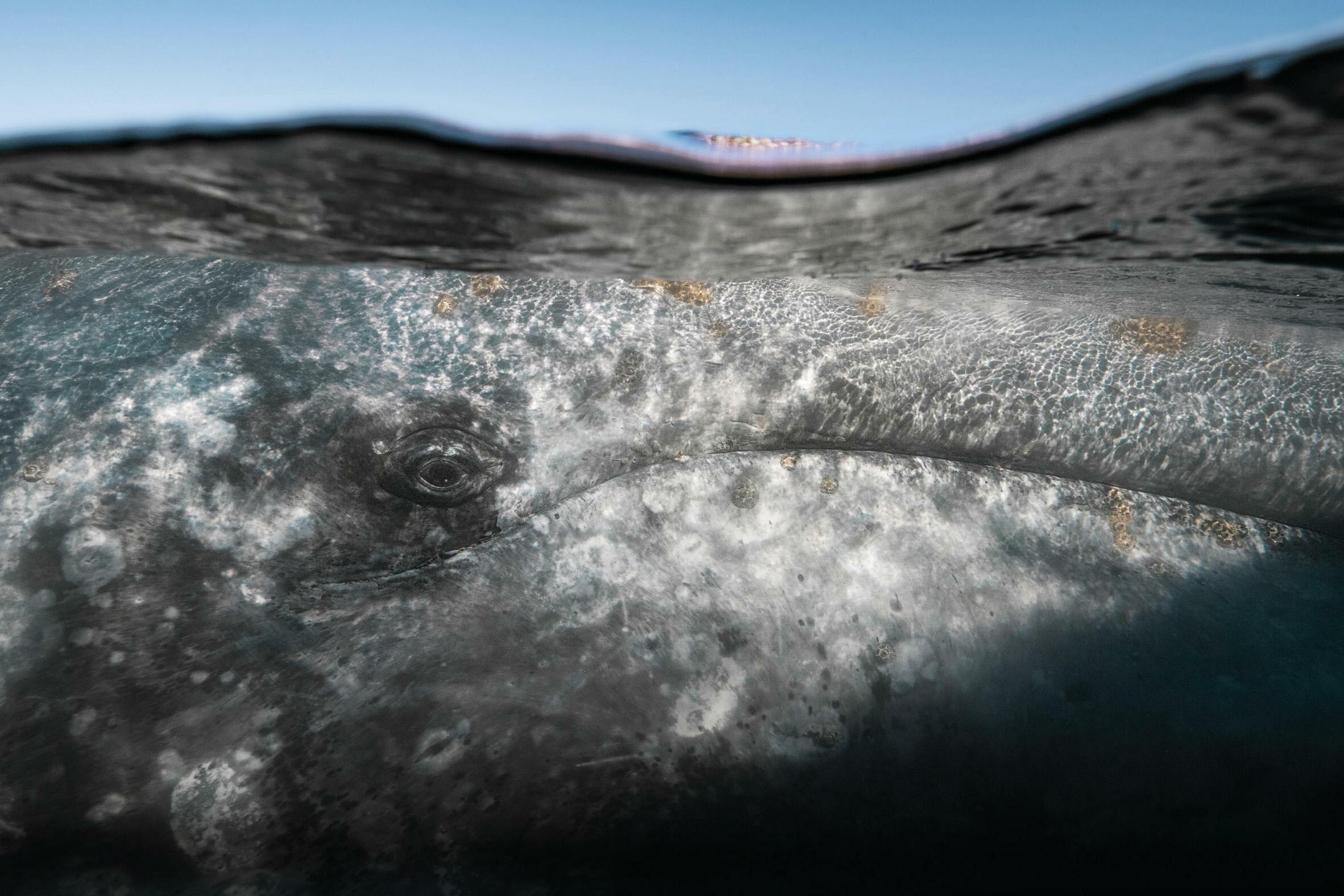
IT'S EASY TO SPOT THE SMALL, FAMILY-OWNED fishing boats that ply the waters around Baja California-a peninsula 1,223 km (760 miles) long that represents the westernmost part of Mexico. There are 24,000 of the vessels, after all, and they spend much of their time at sea-as well they might if the so-called artisanal fishermen are going to compete with the vastly larger industrial vessels that fish the same waters. The average artisanal boat measures 24 m (79 ft.) from bow to stern, compared with the industrial vessels, which can easily exceed the length of a football field, at 130 m (427 ft.). And the industrial vessels are equipped accordingly-with nets that measure 600 m (1,968 ft.) across, and baited lines that may stretch 45 km (28 miles) long.
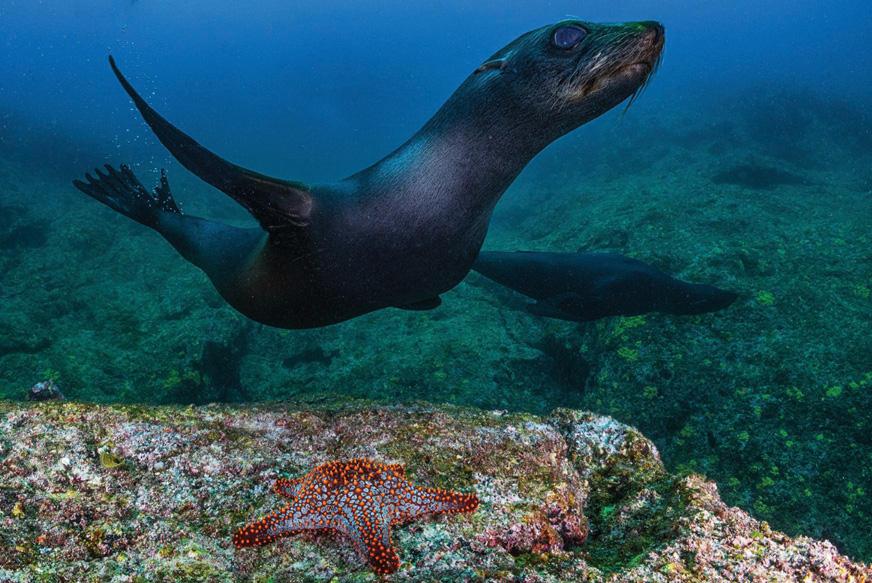
"There's a huge level of injustice there," says Cristina Mittermeier, a photographer, marine biologist, and co-founder of the U.S.-based ocean-preservation group SeaLegacy, which is partnering with the Mexico-based group Beta Diversidad to address environmental and economic problems around Baja California. "The industrial fishing fleet is owned by billionaires and subsidized by the government."
The kind of megafishing the industrial boats do leaves a huge environmental footprint. Up to 96% of the population of bluefin tuna in the region are gone, for example. For every 2.2 lb. of shrimp pulled from the ocean, there are more than 20 lb. of unwanted bycatch-mostly juveniles of various species. The nets drag along the bottom of the ocean, damaging the delicate ecosystem of the ocean floor, and releasing the carbon that's sequestered in the sediment.


This story is from the September 04, 2023 edition of TIME Magazine.
Subscribe to Magzter GOLD to access thousands of curated premium stories, and 10,000+ magazines and newspapers.
Already a subscriber? Sign In
Translate
Change font size