
Go Unlimited with Magzter GOLD
Get unlimited access to 10,000+ magazines, newspapers and Premium stories for just
NO AMOUNT OF MONEY CAN CHANGE OUR MISSION
THE WEEK India
|December 28, 2025
Jimmy Wales could have been a billionaire. Few people in history have had so certain a shot at that status and decided against taking it. But Wales had another target in sight and he took the shot, with a fair amount of accuracy. Wikipedia, which he co-founded 25 years ago, is one of the most visited websites in the world, with millions of people relying on it as a primary source of information. And he remains steadfast to its mission—to provide free, accurate knowledge to anyone, anywhere.
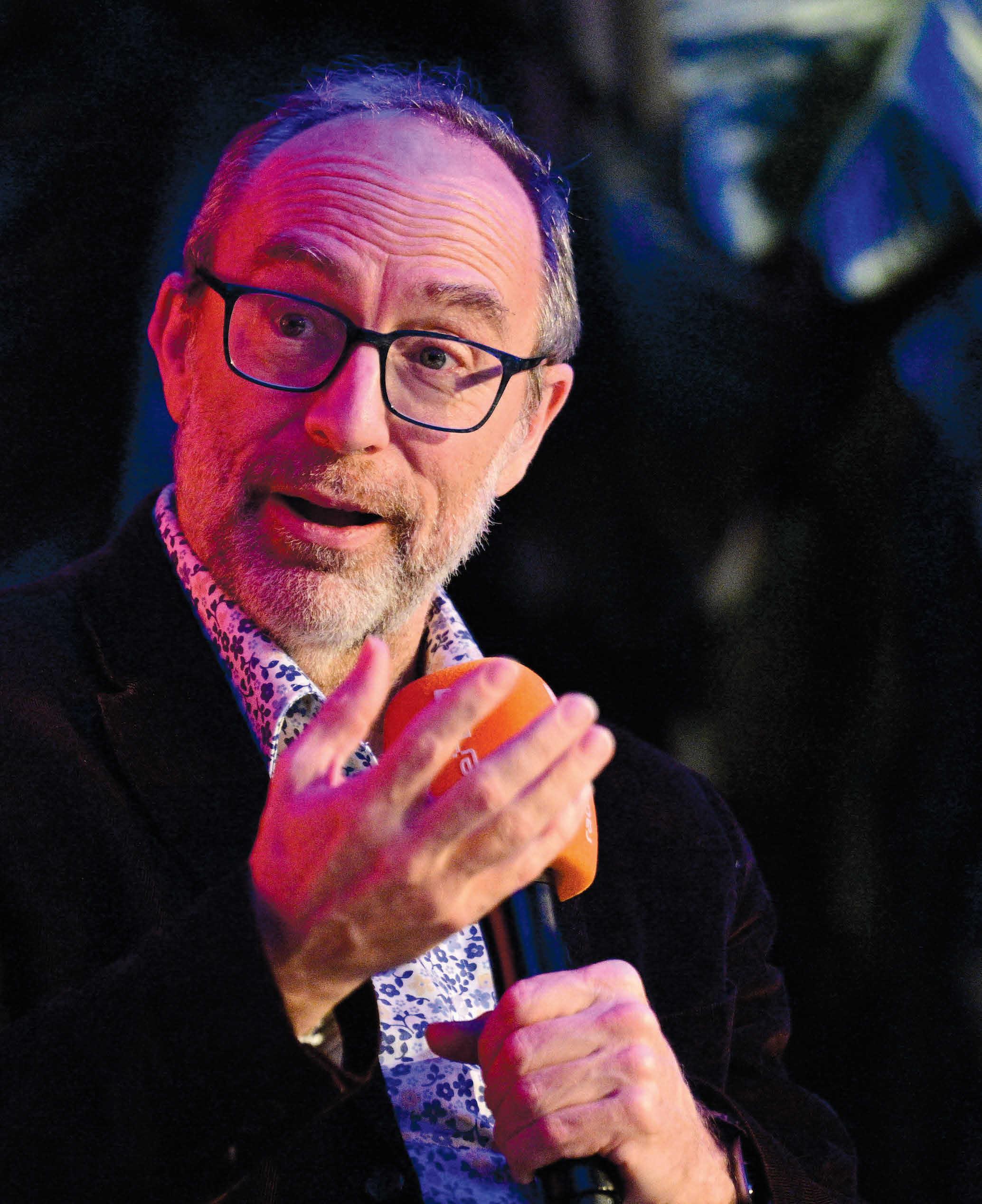
It has not been easy. And it has become tougher of late, thanks to misinformation campaigns, biased reporting and the rise of social media. What is at stake are not just facts but also the idea of trust. That might be the reason Wales is exploring the theme in his new book, The Seven Rules of Trust.
In an interview with THE WEEK, he discusses how Wikipedia ensures the health of its community, the tools needed to manage misinformation, and the vital role volunteers play in keeping Wikipedia neutral and reliable. He also reflects on the role of artificial intelligence, and how emerging technologies could be harnessed to support the community while maintaining the platform's core values. Excerpts:
Q Many people trust Wikipedia, despite knowing that it can be edited by anyone. How do you explain this paradox?
I think the trust people have in Wikipedia comes from long-term experience of using it. Even though people may not fully understand how it works, they can see the results. You go to almost any topic in the world, no matter how obscure, and there is this great information available, with sources you can click through and check. One of the ways we have built trust, despite the obvious imperfections, is through Wikipedia's transparency. You can see the sources and the material, read the debates, and review all past versions of the pages. But, of course, in order to continue earning that trust, we need to maintain our efforts and ensure that the quality of the content remains as high as possible.
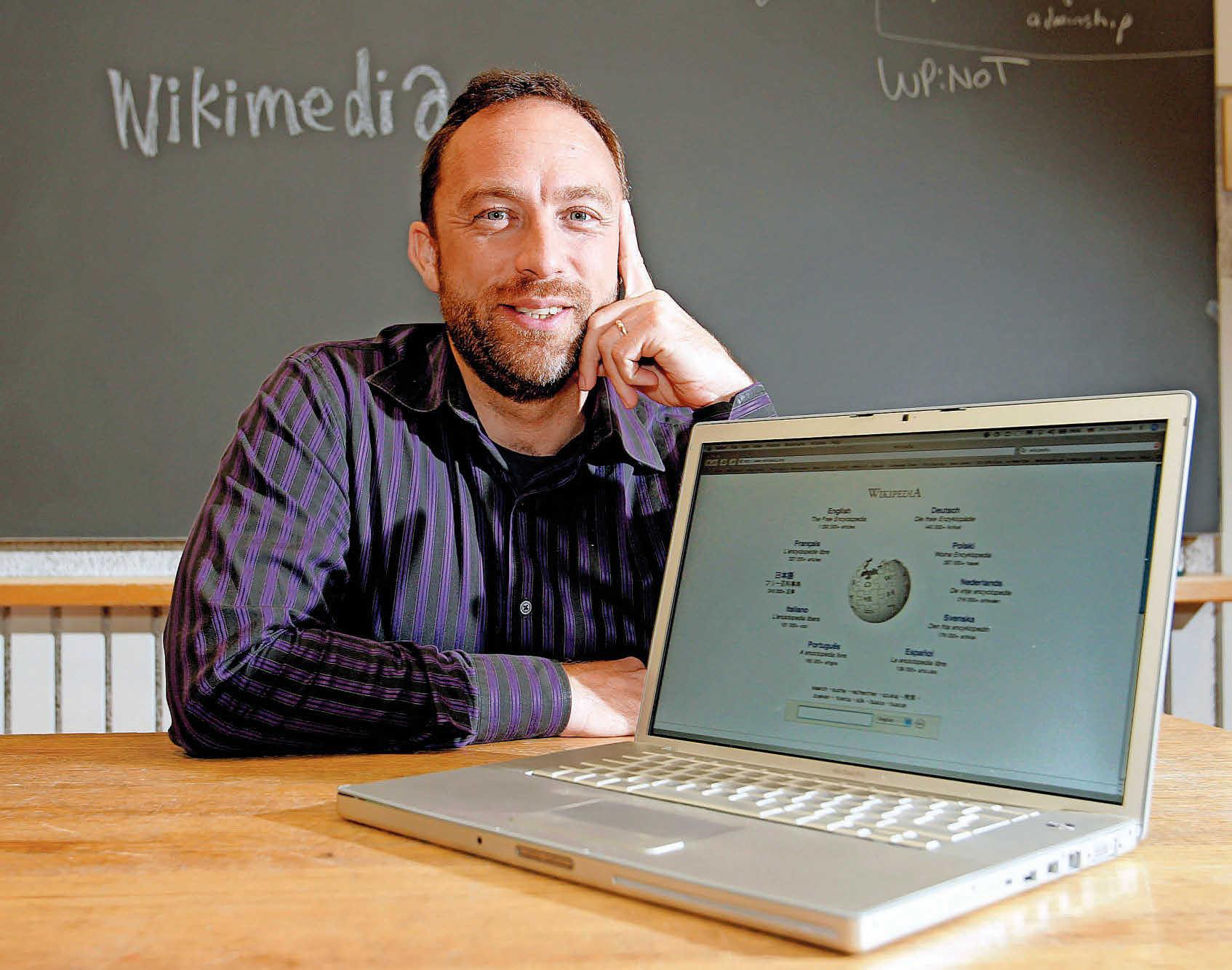 Q One important theme in your new book was the idea of trust repair. What has been the most significant trust repair moment in Wikipedia's history, and what did you learn from it?

This story is from the December 28, 2025 edition of THE WEEK India.
Subscribe to Magzter GOLD to access thousands of curated premium stories, and 10,000+ magazines and newspapers.
Already a subscriber? Sign In
MORE STORIES FROM THE WEEK India

THE WEEK India
WHERE THE STORM NEVER REALLY PASSES
Guantánamo Bay, once a symbol of the ‘war on terror’, has emerged as a flashpoint in Donald Trump’s immigration battles, exposing deep tensions between America’s security, legality and moral commitments

10 mins
December 21, 2025

THE WEEK India
Moderation is the key
Most people do not believe me, but I am a moderate man.
3 mins
December 21, 2025
THE WEEK India
OCEAN THERAPY
The Modi-Putin summit unveils a cooperation strategy that will rewire sea trade routes and expand India's maritime connect to the Arctic
3 mins
December 21, 2025
THE WEEK India
Indian Army men fighting for the British against the Japanese were also patriots
Readers in India may be misled by the title of Gautam Hazarika's new book, The Forgotten Indian Prisoners of World War II: Surrender, Loyalty, Betrayal and Hell. It is not about the INA prisoners who were put on trial in the Red Fort by the British. This book is about those Indian soldiers who fought the Japanese in Singapore, Malaya and Burma alongside the British, and who had to surrender, were taken prisoner, put to torture and hard labour by the Japanese, refused to join the INA, and faced death or managed to escape. While recounting their stories, Hazarika also gives an insight into the INA movement. Edited excerpts from an interview with the author:
4 mins
December 21, 2025

THE WEEK India
CHAT WITH NEHRU, QUERY KALAM...
The Prime Ministers' Museum & Library showcases the life and contributions of prime ministers and nation-builders
3 mins
December 21, 2025

THE WEEK India
The art of shifting gears in investing
“Hope is not a strategy,” Hayes growls in one memorable scene, dismissing a teammate’s starry-eyed optimism.
3 mins
December 21, 2025
THE WEEK India
Trouble on the tarmac
It is not IndiGo but Indian aviation that has become too big to fail
4 mins
December 21, 2025

THE WEEK India
SHUX AND BLUE MARBLE
THE 18 DAYS IN SPACE MIGHT HAVE MADE HIM A HOUSEHOLD NAME, BUT GROUP CAPTAIN SHUBHANSHU SHUKLA IS AS GROUNDED AS EVER. AND BEFORE HE SUITS UP FOR HIS NEXT MISSION, THE WEEK'S MAN OF THE YEAR SHARES STORIES FROM HIS LIFE AND SPACE, INCLUDING HOW HE BECAME A 'WATER BENDER'
9 mins
December 21, 2025
THE WEEK India
The parietal lobe
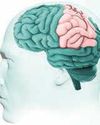
If the frontal lobe is where we decide what to do, the parietal lobe is where we understand where we are. It is the brain's internal GPS, the quiet navigator that lets you put your hand exactly where your teacup is, find the edge of a staircase without staring at it, or scratch the correct side of your head when it itches. When it works well, we move through life gracefully. When it falters, life becomes slapstick comedy.
2 mins
December 21, 2025

THE WEEK India
Area of the globe? Pie is cubed
Floating in his private pool, China's helmsman Mao Zedong shared his strategic vision with visiting Soviet strongman Nikita Khrushchev in 1958: \"You look after Europe, and leave Asia to us.\" Obviously, he expected the US to withdraw into its prewar Monroe world of the Americas, thus making the world tripolar.
2 mins
December 21, 2025
Listen
Translate
Change font size